FIFA World Cup 2026: Japan hold Netherlands 2-2 in Group F opener at Dallas
Synopsis
Japan twice came from behind to hold the Netherlands to a 2-2 draw in their World Cup 2026 Group F opener in Dallas — a result that Daichi Kamada's late equaliser secured and coach Hajime Moriyasu called 'worth more than a point.' Ronald Koeman warned rivals: 'Don't underestimate Japan.'
Key Takeaways
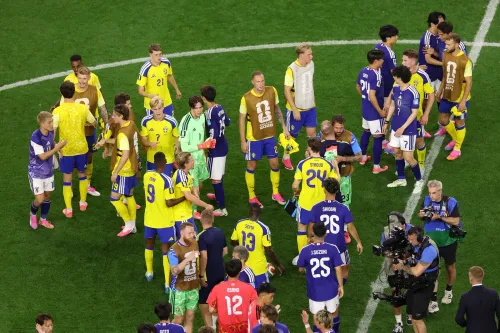
Japan and the Netherlands drew 2-2 in their FIFA World Cup 2026 Group F opener in Dallas on 15 June .
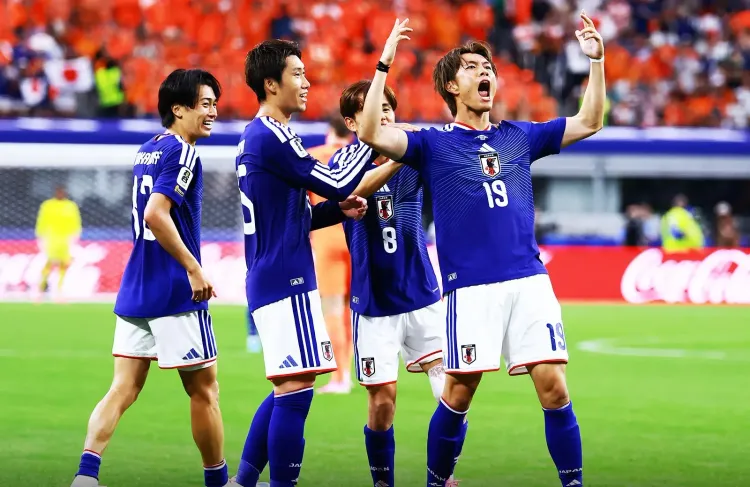
Japan came from behind twice , with midfielder Daichi Kamada scoring the late equaliser.
Coach Hajime Moriyasu said the comeback 'gave us great confidence' despite disappointment at not winning.
Netherlands coach Ronald Koeman criticised his side's defending for the equaliser and warned opponents: 'Don't underestimate Japan.' Both teams are level on one point in Group F after the opening round.
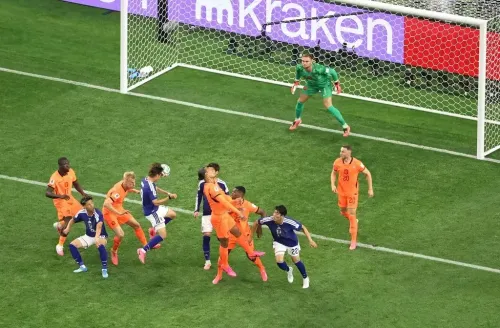
Japan came from behind twice to hold tournament favourites the Netherlands to a 2-2 draw in their FIFA World Cup 2026 Group F opener at Dallas on 15 June, with both coaches drawing sharply different lessons from the same scoreline.
Moriyasu: 'This point is worth more than a point'
Japan head coach Hajime Moriyasu said the result carried weight beyond its face value, even as he acknowledged frustration at not converting the comeback into a win. 'I am not satisfied with only one point, but I believe this point is worth more than a point,' Moriyasu said. 'The players executed our game plan well and showed strong response under pressure. Coming back twice has given us great confidence.'
Moriyasu praised his side's resilience against a top-tier opponent. 'The Netherlands is a very strong side,' he said. 'Our players stayed united, showed toughness and fighting spirit, and although we are disappointed not to win, this match will help us go forward.'
Japan's Tactical Shift Disrupts Dutch Rhythm
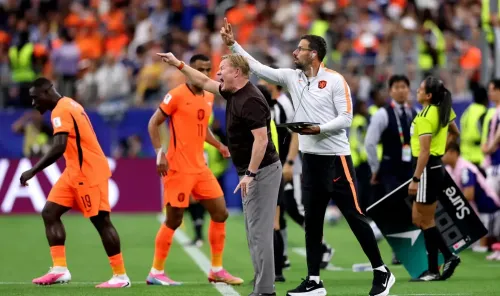
Netherlands coach Ronald Koeman acknowledged the draw was acceptable but conceded his side failed to manage critical moments. 'I can accept the result. Japan also created chances,' Koeman said. 'It was a high-level match and both teams can take positives.'
Koeman noted that Japan's decision to sit deeper than usual disrupted the Dutch build-up play. 'They normally press high, but this time they sat deeper, which made it hard to break them down,' he said. He also criticised his team's defensive handling of Japan's equaliser, while defending his substitution choices as an attempt to stabilise the midfield and reduce late pressure.
'Don't underestimate Japan,' Koeman said. 'After leading twice, we wanted to win, but they kept fighting, and they are a very good side.'
Kamada's Late Strike and Japan's Bigger Ambition
Japan midfielder Daichi Kamada scored the late equaliser that salvaged the point and immediately pointed to the bigger picture. 'We hope to go further in this World Cup. Of course, there are still many areas we need to improve, but I believe we have the potential,' Kamada said.
Kamada also highlighted Japan's growing European footprint as a marker of progress. 'Compared with the last World Cup, we are more experienced now. Many players are playing in top European clubs, and we face top players every day. That is the biggest difference from before,' he added.
Context and What It Means for Group F
The draw leaves both teams on one point in Group F after the opening round. For Japan, it continues a pattern of punching above their weight at World Cups — they knocked out Germany and Spain in the 2022 Qatar edition before a last-16 exit on penalties. Moriyasu noted the growing number of Japanese players competing at elite European clubs and the steady development of youth and coaching infrastructure at home as structural reasons for confidence.
With two group matches still to play, Japan's ability to absorb pressure and strike on the counter will be tested further. How the Netherlands respond to dropping points from a winning position will be equally telling.
Point of View
They adapted tactically, sitting deeper than usual to neutralise a side ranked among the tournament favourites. Moriyasu's post-match framing was deliberate: he is managing a squad's belief as much as its results. The more telling signal is Kamada's comment about European experience; Japan's club-level exposure has quietly closed the technical gap with traditional powers. If Koeman cannot solve the problem of teams that deny him space, the Netherlands' path through a competitive Group F could get complicated.
NationPress
24 Sept 2026
Frequently Asked Questions
What was the result of Japan vs Netherlands at FIFA World Cup 2026?
Japan and the Netherlands drew 2-2 in their FIFA World Cup 2026 Group F opener in Dallas on 15 June. Japan came from behind twice to earn the point.
Who scored Japan's equaliser against the Netherlands?
Midfielder Daichi Kamada scored Japan's late equaliser to make it 2-2. He also expressed Japan's ambition to go further in the tournament.
What did Japan coach Hajime Moriyasu say after the draw?
Moriyasu said he was not satisfied with just one point but believed it was 'worth more than a point.' He praised his players for executing the game plan and said coming back twice gave the squad great confidence.
How did Ronald Koeman react to the Netherlands drawing with Japan?
Koeman said he could accept the result but felt his team could have managed key moments better. He criticised the defending for Japan's equaliser and warned other teams not to underestimate Japan.
Where does Group F stand after the Japan vs Netherlands match?
Both Japan and the Netherlands are level on one point each in Group F after the opening round of FIFA World Cup 2026. Each side has two group matches remaining.