FIFA World Cup 2026: Japan coach Moriyasu's whiteboard tactic goes viral after 2-2 draw
Synopsis
Japan coach Hajime Moriyasu's hand-held numbered whiteboard — flashed at his players during a tense 2-2 draw with the Netherlands in Dallas — became one of the viral moments of the 2026 FIFA World Cup. Fans worldwide raced to decode the numbers, with theories ranging from set-piece codes to tactical commands, while Japan's late 88th-minute equaliser gave the method an air of credibility.
Key Takeaways
Japan coach Hajime Moriyasu used a hand-held numbered whiteboard to relay instructions during the 2026 FIFA World Cup match against the Netherlands in Dallas on 15 June 2026 .
Japan rescued a 2-2 draw , scoring an 88th-minute equaliser after twice coming from behind.
The match was played in front of 69,285 fans .
Video of the whiteboard tactic went viral, prompting fans to speculate that the numbers represented coded tactical instructions.
Fan interpretations of the numbered codes remain unverified and speculative.
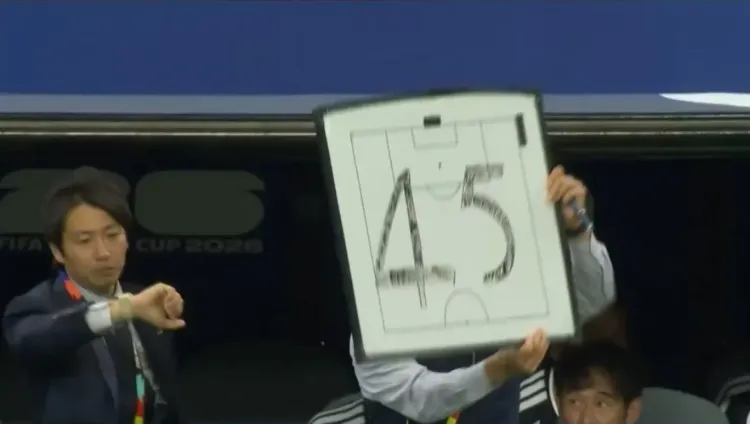
Japan head coach Hajime Moriyasu grabbed global attention at the 2026 FIFA World Cup when video clips of him using a hand-held whiteboard to flash large numbers at his players during Japan's group-stage match against the Netherlands in Dallas went viral on social media. The unconventional sideline method, captured on 15 June 2026, sparked a wave of fan debate over what the numbered codes actually meant.
What Moriyasu Did on the Touchline
With Japan trailing and time running out, Moriyasu was filmed holding up a whiteboard displaying large numerals — reportedly counting down from three to one — to relay instructions directly to his players on the pitch. The visual-communication approach bypassed the noise of a packed stadium, allowing him to cut through crowd din without shouting. The clip spread rapidly across social media platforms, drawing millions of views within hours.
How the Match Unfolded
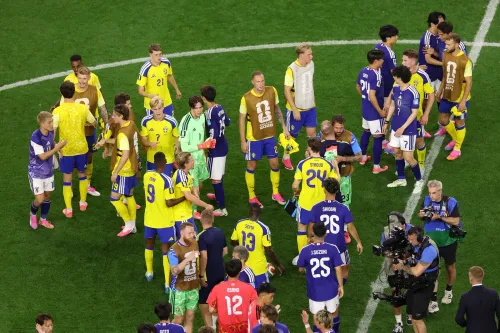
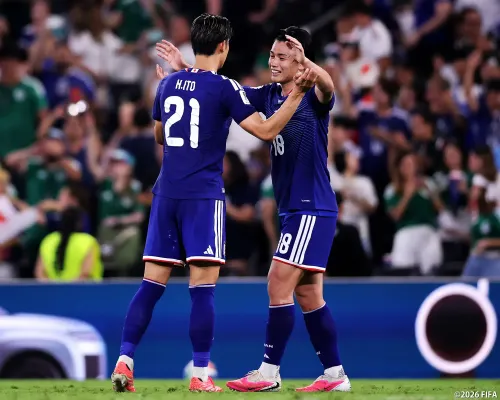
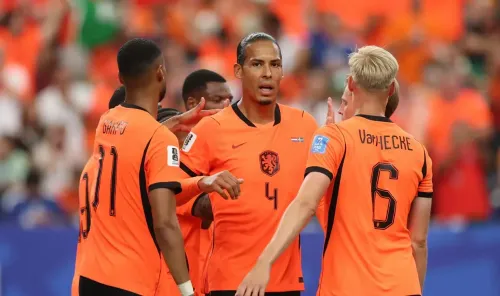
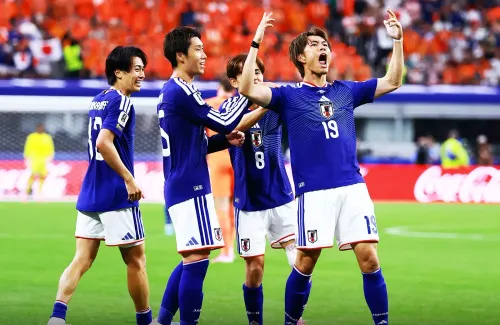
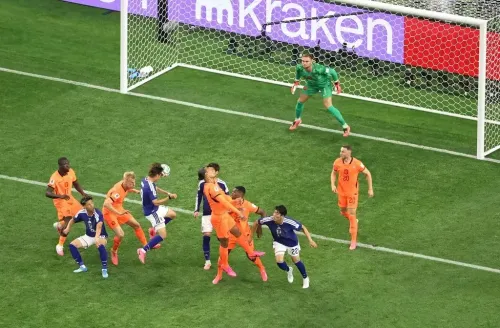
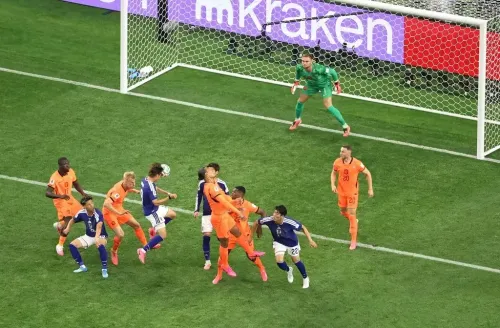
Japan were locked in a tense encounter against the Netherlands at a venue packed with 69,285 fans. With the score at 2-1 against them in the closing stages, Japan mounted a late comeback and levelled through an 88th-minute equaliser, finishing the match at 2-2. It was the second time Japan had fought back in the game, underlining the squad's resilience under pressure.
Fan Reactions: Praise, Scepticism, and Amateur Decoding
Responses online ranged from admiration to curiosity. One fan wrote, 'It's very smart. Why would he shout so much in a crowded and noisy stadium while something visual is much more appealing and clear?' Another was less impressed, calling Moriyasu a 'performative coach.' A third simply said, 'They are superior, all that's left is to applaud and enjoy,' while another added, 'If a Japanese person gets their brain going, they turn into something unnatural.'
Several fans attempted to crack the code behind the numbers. One user theorised, 'This is the instruction code. Each number represents a specific plan and tactic. Japan treats football as a science and study, not just talent and running and cohesion.' Another offered a more specific reading: '4 means headshot the CK and 5 means hit an ally's head to change direction.' These interpretations remain unverified and speculative.
Context: Japan's Tactical Identity at the World Cup
Japan's approach under Moriyasu has long been characterised by meticulous preparation and structured in-game communication. The whiteboard tactic is consistent with that identity — prioritising clarity and precision over improvisation. Notably, Japan's ability to equalise in the 88th minute suggests the late instruction may have had a tangible effect, though the direct link between the whiteboard signal and the goal cannot be confirmed from available footage alone.
As the 2026 FIFA World Cup progresses, Japan's tactical innovations are likely to remain under the spotlight — both for what they achieve on the scoreboard and for the conversation they spark off it.
Point of View
Codified system that cuts through stadium noise instantly. Whether the numbers are tactical codes or simple countdown cues, the underlying logic is sound. What is worth watching is whether other national teams adopt similar low-tech, high-clarity tools — and whether FIFA moves to regulate or standardise touchline communication as the tournament progresses.
NationPress
23 Sept 2026
Frequently Asked Questions
What did Japan coach Hajime Moriyasu do with the whiteboard at the 2026 FIFA World Cup?
Moriyasu held up a hand-held whiteboard displaying large numbers, reportedly counting down from three to one, to communicate instructions to his players during Japan's group-stage match against the Netherlands in Dallas on 15 June 2026. The footage went viral on social media.
What was the result of Japan vs Netherlands at the 2026 FIFA World Cup?
Japan drew 2-2 with the Netherlands in Dallas, scoring an 88th-minute equaliser after twice fighting back in the match. The game was played in front of 69,285 fans.
What do the numbers on Moriyasu's whiteboard mean?
The exact meaning has not been officially confirmed. Fans and analysts online have speculated that each number represents a specific tactical command or set-piece instruction, but these interpretations remain unverified.
Why did Moriyasu use a whiteboard instead of shouting instructions?
The visual method is widely seen as a practical solution to stadium noise. As one fan noted online, a visual cue is 'much more appealing and clear' than shouting in a crowded, noisy venue — allowing players to receive instructions instantly without relying on hearing.
Is Japan's whiteboard tactic new in football?
While coded sideline communication is not entirely new, the specific use of a numbered hand-held whiteboard by a World Cup head coach drew unusual attention at the 2026 tournament. It aligns with Japan's broader reputation for structured, data-driven football preparation under Moriyasu.