Asian Games cricket blueprint: How Japan's model can grow the sport in emerging nations
Synopsis
Japan nearly upset T20 world champions India by two runs before a record 2,149-strong crowd — and then leveraged the Asian Games to build an entire cricket ecosystem around that moment. ICC CEC Associate Member Abhiram Singh Yadav says that 'connect the pieces' model is exactly what every emerging cricket nation must replicate, especially with the 2028 Los Angeles Olympics on the horizon.
Key Takeaways
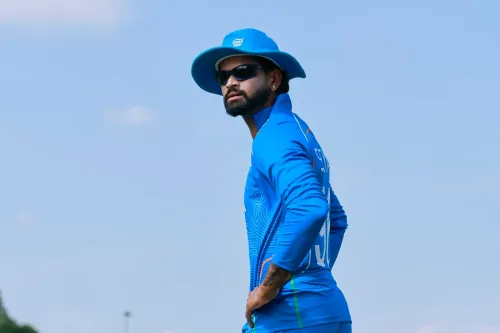
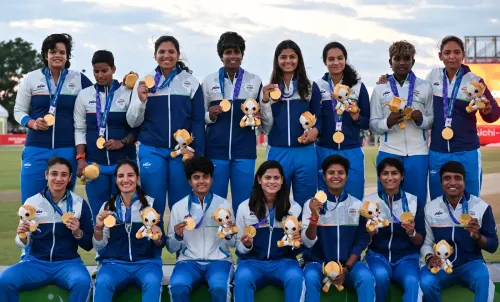
India retained both the men's and women's cricket gold medals at the Aichi-Nagoya Asian Games at Korogi Sports Park .
Pakistan won the men's silver and women's bronze; Sri Lanka won the women's silver and men's bronze.
Japan hosted India at the Sano International Cricket Ground before the Games, drawing a record 2,149 spectators — the highest ever for cricket in Japan — with tickets selling out within hours.
Abhiram Singh Yadav , Chairman of Persatuan Cricket Indonesia and ICC CEC Associate Member, called Japan's integrated approach — combining the Asian Games, international fixtures, facilities, sponsors and community engagement — a model for emerging nations.
He called for a 'chain of opportunity' where Full Members play Associates and stronger Associates play developing nations, warning that rankings should not become 'walls between cricket nations.' With cricket included in the 2028 Los Angeles Olympics , Abhiram urged all cricket boards to maximise every major event as a development multiplier.
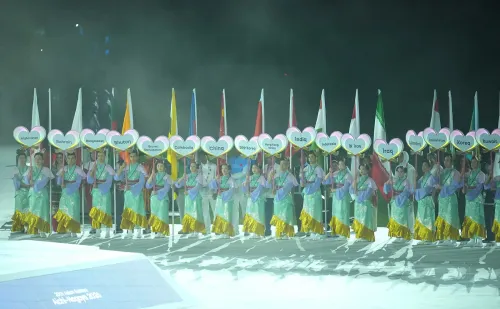
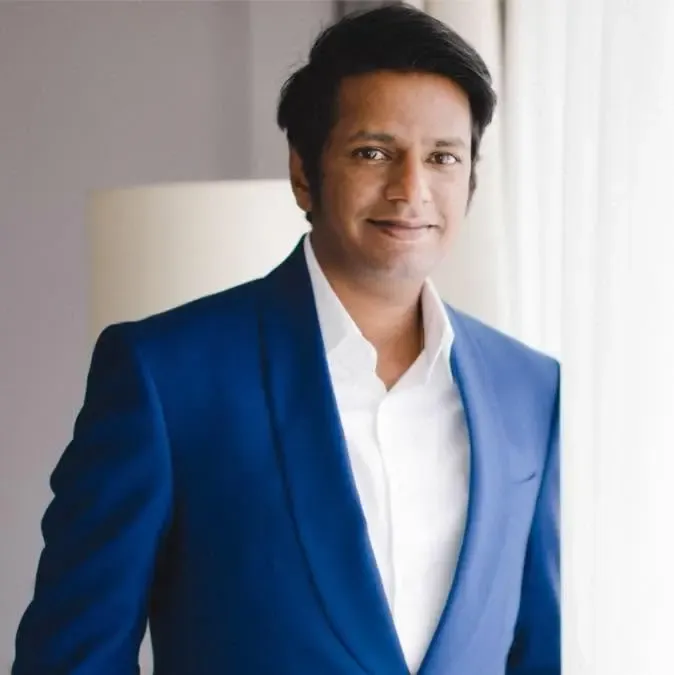
Abhiram Singh Yadav, Chairman of Persatuan Cricket Indonesia and one of three Associate Members on the ICC Chief Executives' Committee (CEC), has called Japan's strategic use of the Aichi-Nagoya Asian Games a replicable blueprint for emerging cricket nations to convert multi-sport events into lasting development opportunities. His remarks came on Sunday, 4 October 2026, following India's retention of both the men's and women's cricket gold medals at Korogi Sports Park.
India's Double Gold and the Broader Medal Table
India successfully defended their titles in both the men's and women's cricket competitions at the Aichi-Nagoya Asian Games. Pakistan secured the men's silver and women's bronze medals, while Sri Lanka claimed the women's silver and men's bronze medals. The competition, Abhiram noted, carried significance well beyond the podium finishes.
Japan's Record-Breaking Moment Before the Games
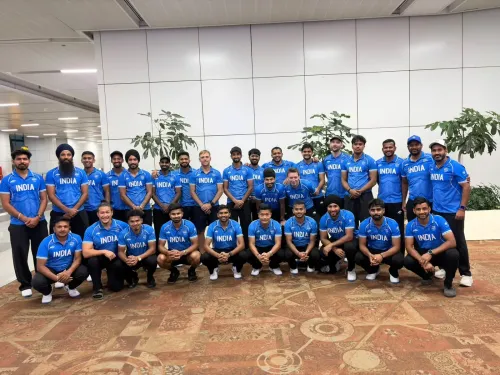
In the lead-up to the Asian Games, Japan hosted men's T20 world champions India at the Sano International Cricket Ground. The hosts came within two runs of a historic upset in a rain-curtailed five-over contest — a moment that energised local interest in the sport. The fixture drew a record crowd of 2,149 spectators, the highest attendance ever recorded for a cricket match in Japan, with tickets selling out within hours of going on sale.
Abhiram described the match as a model of how global leadership and local enterprise can intersect. 'That is an important example. Global leadership helped create the connection, and Japan then converted that opportunity into something real. It is one thing to talk about taking cricket into new markets; it is another to create the circumstances in which it can actually happen,' he said.
What Japan Did Differently
According to Abhiram, Japan's approach was distinguished by its integration of multiple elements rather than treating them in isolation. 'What Japan did well was connect the pieces. The Asian Games, international cricket, facilities, sponsors, government relationships, media and community engagement were not treated as separate things. Together they created a bigger opportunity for the sport,' he said.
He also referenced ICC Chairman Jay Shah's stated ambition of making cricket more inclusive, noting that the Japan example demonstrated 'practical action around that vision' rather than rhetoric alone.
A Call for a Chain of Opportunity
Abhiram argued that the responsibility for growing cricket in emerging markets should not rest solely with Full Members. 'We cannot ask stronger nations to open doors for us and then stop opening doors for others when we become stronger ourselves. There should be a chain of opportunity,' he said. His framework envisages Full Members playing Associates, stronger Associates playing developing Associates, and developing countries gradually becoming better hosts themselves.
On the role of rankings, he was pointed: 'Rankings have an important competitive purpose, but they should not become walls between cricket nations. They tell us where we are today. They should not decide who we are willing to play tomorrow.'
Looking Ahead to the 2028 Los Angeles Olympics
With cricket confirmed for the 2028 Los Angeles Olympics, Abhiram called for continuity — urging cricket boards to treat every approaching tournament, regional competition, or visiting international team as a multiplier opportunity. 'When an Asian Games, an ICC tournament, a regional competition or even another international team comes close to our country, we should ask: how much more can we create from this moment? Put rankings aside when the opportunity allows. Play each other, learn from each other and grow together. That is how cricket becomes genuinely global,' he said. The Olympic inclusion makes that message more urgent than at any previous point in the sport's expansion story.
Point of View
Even if diplomatically phrased. Japan's two-runs near-upset of India is a compelling data point, but one match and a record crowd of 2,149 do not yet constitute a sustained cricket culture — the harder question is whether Japan can maintain momentum without another high-profile anchor event. The 2028 Los Angeles Olympics offer exactly that anchor, but only if Associate Members and Full Members alike act on Abhiram's 'chain of opportunity' logic rather than retreating to rankings-based scheduling when commercial interests dominate. The structural incentive for Full Members to play Associates — lower gate revenue, lower broadcast value — remains unaddressed.
NationPress
4 Oct 2026
Frequently Asked Questions
What did Abhiram Singh Yadav say about Japan and the Asian Games?
Abhiram Singh Yadav, Chairman of Persatuan Cricket Indonesia and an ICC CEC Associate Member, said Japan's approach of integrating the Aichi-Nagoya Asian Games with international fixtures, facilities, sponsors and community engagement is a replicable blueprint for emerging cricket nations. He cited Japan nearly upsetting India by two runs before a record crowd of 2,149 as evidence that major events can generate lasting momentum for the sport.
Who won cricket gold at the Aichi-Nagoya Asian Games?
India retained both the men's and women's cricket gold medals at the Aichi-Nagoya Asian Games, held at Korogi Sports Park. Pakistan won the men's silver and women's bronze, while Sri Lanka claimed the women's silver and men's bronze.
What was the record crowd at the Japan vs India cricket match?
The match between Japan and India at the Sano International Cricket Ground drew 2,149 spectators — the highest attendance ever recorded for a cricket match in Japan. Tickets sold out within hours of going on sale, and Japan came within two runs of defeating the T20 world champions in the rain-curtailed five-over contest.
What is the 'chain of opportunity' Abhiram Singh Yadav referred to?
Abhiram argued that Full Members should play Associates, stronger Associates should play developing Associates, and developing nations should grow into better hosts — creating a continuous development chain rather than relying on rankings to determine who plays whom. He said rankings should indicate current standing, not limit future opponents.
Why does cricket's inclusion in the 2028 Los Angeles Olympics matter for emerging nations?
Cricket's inclusion in the 2028 Los Angeles Olympics represents a major platform for nations outside the sport's traditional heartlands to gain global exposure. Abhiram Singh Yadav called for all cricket boards to treat the Olympics — and every ICC tournament or visiting international team — as an opportunity to build more than just a single match, following the model Japan demonstrated around the Asian Games.