Kohli, Rohit's fielding edge is early anticipation, says India coach Ghosh
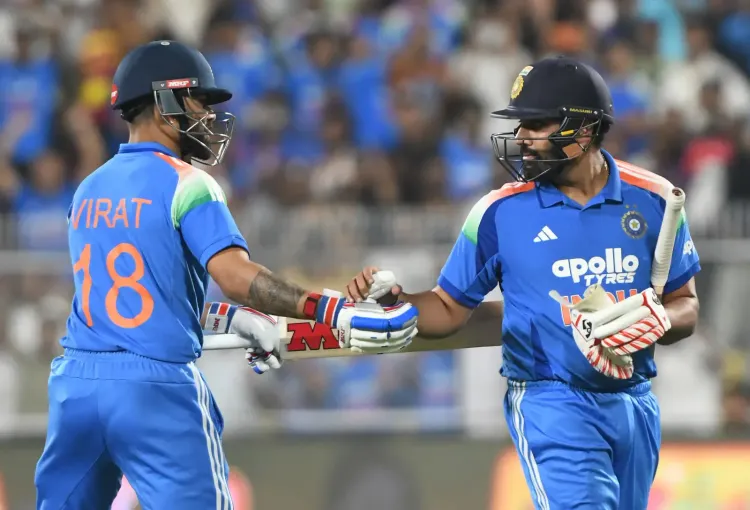
Synopsis
India's fielding coach Subhadeep Ghosh has broken down what separates Kohli and Rohit from the pack in the field — not reflexes, but early reading. His analysis of Rohit's mid-wicket run-out of Mitchell reveals a coaching unit that treats fielding as a cognitive discipline, not just an athletic one, with the second ODI in Wellington on Saturday offering another test of that approach.
Key Takeaways
India fielding coach Subhadeep Ghosh praised Virat Kohli and Rohit Sharma's early-anticipation skills ahead of the 2nd ODI in Wellington .
Kohli's experience at cover and point helps him read ball trajectory faster than most fielders.
Rohit anticipated the ball's direction before it arrived, enabling the sharp underarm run-out of Daryl Mitchell in the first ODI in Auckland .
India won the opening ODI by five wickets via the DLS method , leading the five-match series 1-0 .
Ghosh highlighted adapting to overseas conditions — ground dimensions, cold weather, boundary placements — as a continuous focus for the squad.
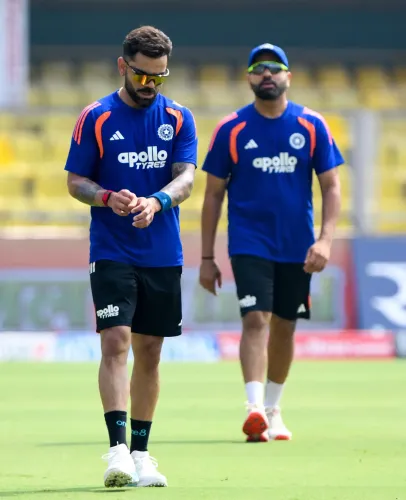
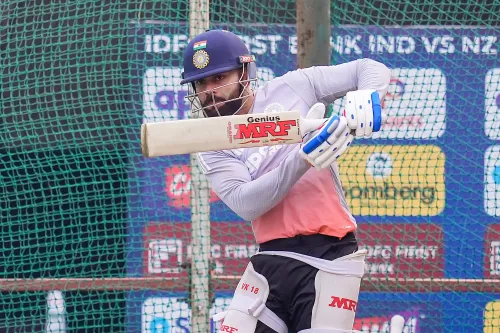
India's fielding coach Subhadeep Ghosh has singled out the anticipation and game-reading instincts of senior players Virat Kohli and Rohit Sharma as the defining factors behind their standout fielding performances, crediting years of positional familiarity as the foundation of that edge. Speaking to reporters ahead of the second ODI against New Zealand in Wellington, Ghosh offered a detailed breakdown of how experience translates into faster reactions on the field.
How Kohli Reads the Ball Earlier
Ghosh explained that Kohli's prolonged presence at positions such as cover and point has given him a near-instinctive understanding of ball trajectory and post-impact travel. 'Virat has fielded at cover and point countless times, so he knows the trajectory and path of the ball, as well as how it is likely to travel after impact. He reads the situation slightly earlier than others, and you can see that in his execution,' Ghosh said. This positional knowledge, the coach argued, allows Kohli to initiate movement before most fielders would even register where the ball is heading.
Rohit's Run-Out Read That Won a Moment
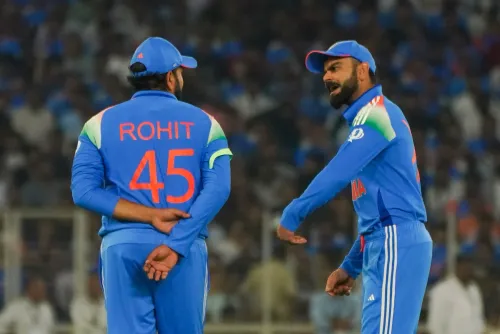
Ghosh also highlighted Rohit Sharma's role in the run-out of Daryl Mitchell during the first ODI in Auckland as a textbook example of anticipatory fielding. Rohit collected a gentle nudge to the leg side and produced a sharp underarm throw from mid-wicket to complete the dismissal. 'He anticipated that the ball would go towards the square leg. He wasn't moving straight; he was already shifting slightly towards square leg. That early anticipation allowed him to execute the skill perfectly,' Ghosh said. The dismissal proved a pivotal moment in restricting New Zealand's innings.
Why Anticipation Is Central to India's Fielding Philosophy
Ghosh stressed that anticipation is among the most critical elements of fielding at the international level, noting that players who consistently occupy the same positions over time develop a sharper instinct for reading the game. 'The more time you spend in a particular fielding position, the better you become at reading the game,' he added. This philosophy appears central to how India's coaching staff frames fielding development — not merely as an athletic skill but as a cognitive one.
India's Fielding Performance in Auckland
Reflecting on the team's display in the opening ODI, Ghosh praised India's overall intensity. 'We took some good catches, picked up wickets and backed it up with excellent ground fielding. The intensity was very good. When you restrict the opposition to around 180, it reflects not just good bowling but also quality fielding,' he said. India won that match by five wickets via the DLS method in a rain-affected encounter, taking a 1-0 lead in the five-match ODI series.
Adapting to Overseas Conditions
Ghosh also touched on the unique challenges of touring, noting that varying ground dimensions, colder weather, and different boundary placements demand constant adaptation. 'When you travel to different countries, adapting to new conditions is always a challenge. The ground dimensions vary, and the weather can be cold, and these are aspects we regularly discuss in the dressing room,' he said. The second ODI is scheduled for Saturday in Wellington, with India looking to press their advantage and move to 2-0 in the series.
Point of View
Not just athleticism. The specific call-out of Rohit's pre-movement before Mitchell's run-out suggests the coaching unit is tracking anticipatory cues that rarely surface in public analysis. What is worth watching is whether this philosophy is being systematically passed down to younger fielders in the squad, or whether it remains the exclusive domain of a generation of veterans whose on-field careers are closer to their end than their beginning.
NationPress
6 Nov 2026
Frequently Asked Questions
What did India's fielding coach say about Virat Kohli's fielding?
Fielding coach Subhadeep Ghosh said Kohli's extensive experience at cover and point has given him a near-instinctive ability to read ball trajectory and react earlier than most fielders. He noted that this positional familiarity is what makes Kohli's execution so reliable.
How did Rohit Sharma complete the Daryl Mitchell run-out in the first ODI?
Rohit collected a gentle nudge to the leg side from mid-wicket and produced a sharp underarm throw to complete the run-out of Daryl Mitchell in the first ODI in Auckland. Coach Ghosh revealed that Rohit had already begun shifting towards square leg before the ball arrived, illustrating his early anticipation.
What is the current score in the India vs New Zealand ODI series?
India lead the five-match ODI series 1-0 after winning the opening match in Auckland by five wickets via the DLS method. The second ODI is scheduled for Saturday in Wellington.
What does Subhadeep Ghosh consider most important in fielding?
Ghosh emphasised that anticipation is the most critical element of fielding, arguing that spending more time in a specific fielding position sharpens a player's ability to read the game and react faster. He sees it as a cognitive skill as much as a physical one.
How did India perform in the field during the first ODI in Auckland?
India produced sharp catching and ground fielding to help restrict New Zealand to around 180, according to Ghosh. He credited the team's high intensity as a key factor in complementing the bowlers' efforts and securing the five-wicket win.