CM Manik Saha: AGMC PG seats jump from 95 to 153
Synopsis
Tripura CM Dr. Manik Saha announces a 61 percent jump in AGMC postgraduate medical seats — from 95 to 153 — adding 58 new MD/MS seats across 16 specialised disciplines for the 2026-27 academic year, backed by central government approval.
Key Takeaways
AGMC PG seats increased from 95 to 153 , a rise of 58 seats for the 2026-27 academic year.
Expansion covers 16 specialised disciplines , broadening the range of MD/MS programmes available in Tripura.
Approval comes under the National Medical Commission framework driven by the central government's post-2014 push to expand specialist training nationwide.
Prime Minister Narendra Modi and Union Health Minister J.P.
Nadda were credited by CM Saha for supporting the expansion.
The move is designed to build a larger pool of specialists trained locally, reducing Tripura's dependence on out-of-state medical capacity.
Seat allocation and counselling for the new intake will proceed through NMC and Tripura state authority processes.
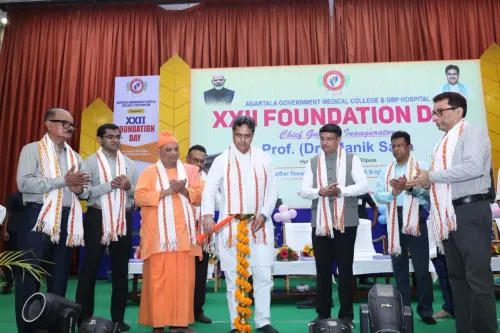
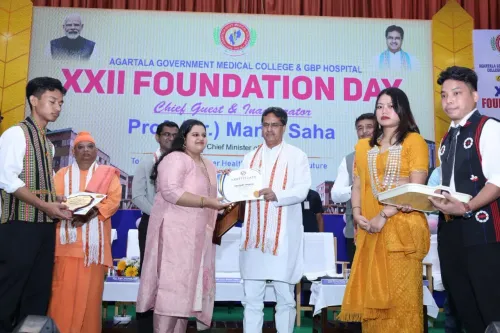
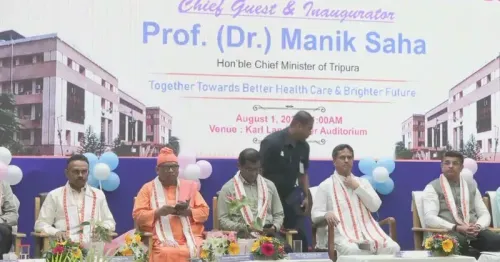
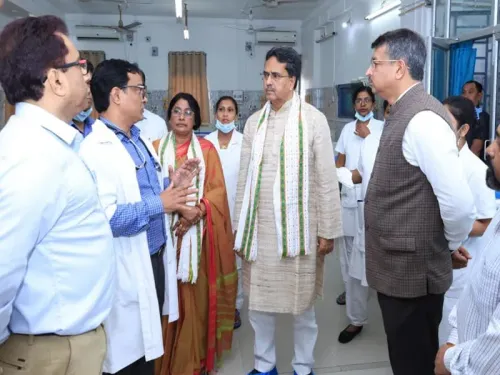
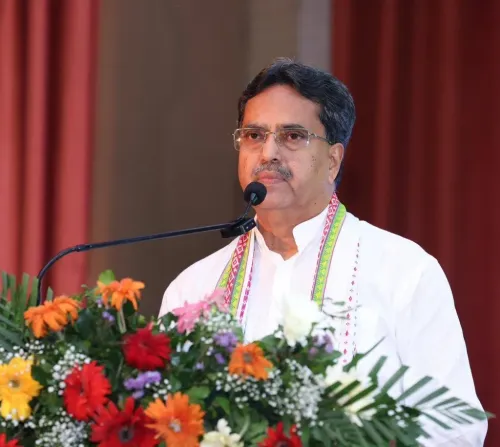
Tripura just got 58 new postgraduate medical seats — and for a northeastern state long underserved by specialist healthcare, that number matters far more than it sounds. Tripura Chief Minister Dr. Manik Saha announced on Friday, 6 November 2026 that the Agartala Government Medical College (AGMC) has received regulatory approval to expand its MD/MS seat capacity from 95 to 153 across 16 specialised disciplines, effective from the 2026-27 academic year.
58 seats, 16 disciplines — what the expansion means for AGMC
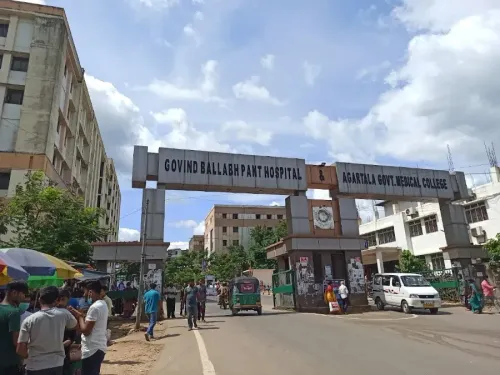
AGMC is Tripura's flagship government medical institution, the principal training ground for the state's postgraduate medical workforce. Its PG programme had been capped at 95 seats — a ceiling that left aspiring specialists from the region competing for limited slots or migrating to colleges in distant metros. The new approval pushes that ceiling to 153 seats, a jump of roughly 61 percent in a single academic cycle.
The expansion spans 16 specialised disciplines, meaning the intake boost is distributed across medicine's breadth rather than concentrated in one or two departments. For a state health system perpetually stretched thin on specialists, that breadth is the point: more cardiologists, more gynaecologists, more surgeons trained on home soil, eventually serving patients at home.
Modi government's northeast medical push — the larger pattern
The announcement credits Prime Minister Narendra Modi and Union Health Minister J.P. Nadda for their 'continued support' — and the acknowledgement reflects a real policy lineage. Since 2014, the central government has pursued a consistent drive to increase postgraduate medical seats nationwide through the National Medical Commission, targeting the chronic shortage of specialists that hits smaller and northeastern states hardest.
Approvals of this kind require NMC assessment of infrastructure, faculty strength, and clinical load — they are not rubber-stamped. That AGMC clears the bar for 58 additional seats across 16 disciplines signals a meaningful upgrade in the college's physical and academic capacity, not merely a policy announcement. Seat allocation and counselling for the 2026-27 cycle will now proceed through NMC and state authority processes.
What it means for Tripura's healthcare pipeline
Tripura sits in a region where specialist density has historically lagged the national average. Every PG seat filled locally is a potential specialist who trained in and may eventually practice in the northeast — reducing the cycle of patients travelling hundreds of kilometres for care that should be available at district hospitals. Dr. Saha, himself a medical professional before entering politics, framed the expansion in precisely those terms: 'A stronger medical education system today will build a healthier Tripura tomorrow.'
The kicker is structural: expanding seats at an existing, recognised college is faster and more durable than building new institutions from scratch. Tripura is betting that deepening AGMC is the quickest route from more seats to more doctors on the ground.
Point of View
With northeastern states increasingly benefiting from NMC approvals that were rare before 2014. For CM Saha — a dentist-turned-politician — amplifying healthcare credentials carries obvious political value in a state where the BJP has worked hard to shift the development narrative. The 61 percent seat jump in a single cycle is unusually large, suggesting AGMC has made significant infrastructure investments; sustaining that capacity with qualified faculty will be the real test. If the pipeline holds, Tripura could meaningfully close its specialist gap within a decade — a model other small northeastern states will watch.
NationPress
6 Nov 2026
Frequently Asked Questions
How many new PG medical seats have been added at Agartala Government Medical College?
58 new PG seats have been added at AGMC, raising the total MD/MS capacity from 95 to 153 for the 2026-27 academic year across 16 specialised disciplines .
Which disciplines are covered in the AGMC PG seat expansion?
The expansion covers 16 specialised disciplines . The exact discipline-wise breakdown has not been specified in the official announcement.
Who approved the increase in AGMC postgraduate medical seats?
Approvals for PG medical seat increases in India go through the National Medical Commission (NMC) . Tripura CM Dr. Manik Saha credited Prime Minister Narendra Modi and Union Health Minister J.P. Nadda for their support in securing the expansion.
When will the new AGMC PG seats be available for students?
The new seats are approved for the 2026-27 academic year . Seat allocation and counselling will proceed through NMC and Tripura state authority processes.
Why is expanding PG medical seats in Tripura significant?
Tripura and other northeastern states have historically had a low density of medical specialists. Expanding PG seats at AGMC trains more specialists locally, reducing the need for patients to travel long distances and strengthening the state's healthcare system.