Tripura bans private practice at AGMC, GBP Hospital; Congress opposes
Synopsis
Tripura's Cabinet has barred around 350 doctors and faculty at AGMC and GBP Hospital from private practice, sweetening the ban with a 20% non-practising allowance. The Congress warns the move could push experienced specialists into voluntary retirement — a risk that could hollow out the state's only major referral hospital even as the government claims it will raise accountability.
Key Takeaways
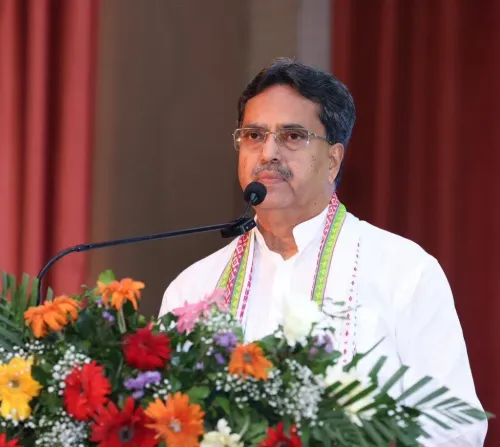
The Tripura Cabinet , chaired by Chief Minister Manik Saha , on 24 June banned private practice by doctors and faculty at AGMC and GBP Hospital .
Approximately 350 medical officers and faculty members are affected by the initial order.
A 20 per cent increase in basic salary as a non-practising allowance has been approved to compensate affected doctors.
A formal statutory notification is expected shortly; implementation details and an effective date have not yet been announced.
Congress leader Sudip Roy Barman warned the ban could prompt mass voluntary retirements, harming patient care and medical education at the state's premier institution.
The government may extend the policy to other state-run hospitals after reviewing its impact at AGMC and GBP Hospital.
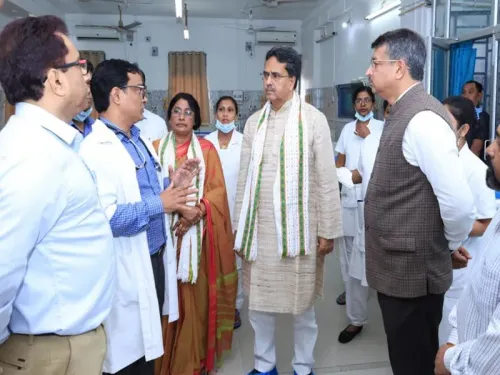
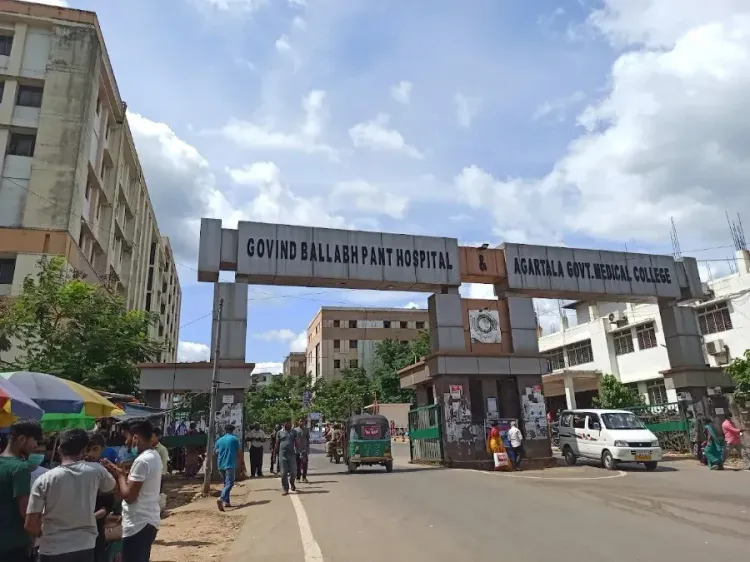
The Tripura government on Wednesday, 24 June decided to prohibit private practice by all medical officers and faculty members attached to the state-run Agartala Government Medical College (AGMC) and Govind Ballabh Pant (GBP) Hospital, the state's largest and oldest referral institution. The Cabinet resolution, approved at a meeting chaired by Chief Minister Manik Saha, will initially cover approximately 350 doctors and faculty at the two facilities.
What the Cabinet Decided
Government spokesperson and Food, Civil Supplies and Consumer Affairs Minister Sushanta Chowdhury announced the decision, noting that the Council of Ministers approved the ban following consultations with doctors' organisations and other stakeholders. Alongside the prohibition, the Cabinet cleared a 20 per cent increase in basic salary in the form of a non-practising allowance for affected faculty and medical officers — a financial offset designed to ease the transition.
A formal statutory notification detailing the Cabinet resolution is expected to be issued shortly, according to Chowdhury.
Why the Government Acted
Chowdhury cited Chief Minister Saha as noting that despite significant upgrades to infrastructure and the installation of modern medical equipment at AGMC and GBP Hospital, complaints about patient services have continued to arrive from multiple quarters. The ban is framed as a measure to improve healthcare delivery and enforce greater accountability at the state's premier medical institution.
The policy will initially apply exclusively to AGMC and GBP Hospital. After assessing its impact and effectiveness, the state government may consider extending the prohibition to other government hospitals across Tripura.
Congress Raises Alarm Over Doctor Exodus
Senior Indian National Congress (Congress) leader and sitting MLA Sudip Roy Barman — a former Health and Family Welfare Minister — strongly opposed the move, warning that it could trigger a wave of voluntary retirements among experienced faculty and senior medical officers who depend on private practice as a significant source of income.
Roy Barman argued that if a substantial number of doctors exit government service, both patient care and academic activities at AGMC would be seriously disrupted. He urged the state government to reconsider the decision before issuing the statutory notification, stating that any healthcare reform must weigh its impact on the availability of experienced doctors, medical education, and specialised services in the state.
Scope and Next Steps
The ban covers roughly 350 faculty members and medical officers currently serving at AGMC and GBP Hospital. The non-practising allowance — set at 20 per cent of basic salary — mirrors a model used in several other states, though critics argue the compensation may not fully substitute lost private income for senior specialists. The government has not yet specified a timeline for the formal notification or the effective date of implementation.
Whether the policy succeeds in retaining experienced staff while improving public healthcare outcomes at Tripura's flagship medical institution will be closely watched in the months ahead.
Point of View
But the outcomes have been mixed — retention of senior specialists remains the critical variable. A 20 per cent non-practising allowance is unlikely to match the income senior consultants earn privately, which means the real test is whether the government can hold its nerve if resignations follow. What the Cabinet has not addressed is a credible retention plan or a transparent grievance mechanism for affected doctors. Without those, the reform risks trading one problem — divided attention — for another: an understaffed flagship hospital in a state with limited specialist capacity.
NationPress
23 Sept 2026
Frequently Asked Questions
What has the Tripura government decided about private practice by government doctors?
The Tripura Cabinet has decided to ban private practice by all medical officers and faculty members at Agartala Government Medical College (AGMC) and Govind Ballabh Pant (GBP) Hospital. The decision was approved at a Cabinet meeting chaired by Chief Minister Manik Saha on 24 June and a formal notification is expected shortly.
How many doctors are affected by the Tripura private practice ban?
Approximately 350 faculty members and medical officers currently attached to AGMC and GBP Hospital will be covered under the initial order. The government may extend the ban to other state-run hospitals after reviewing its impact.
What compensation will banned doctors receive?
The Cabinet approved a 20 per cent increase in basic salary in the form of a non-practising allowance for affected faculty and medical officers. This is intended to partially offset income lost from private practice.
Why is the Congress opposing the Tripura private practice ban?
Senior Congress leader and former Health Minister Sudip Roy Barman has warned that the ban could prompt experienced faculty and senior medical officers to opt for voluntary retirement in order to continue private practice. He argues this could severely disrupt patient care and academic activities at the state's premier medical college.
Will the ban be extended to other government hospitals in Tripura?
Not immediately. The government has said the policy will initially apply only to AGMC and GBP Hospital. An extension to other state-run facilities will be considered only after assessing the impact and effectiveness of the ban at these two institutions.