Kotak defends Siraj omission: 'Best possible XI for Basin Reserve'

Synopsis
India left out Mohammed Siraj — a bowler their own assistant coach calls 'world-class' — for the Basin Reserve Test, opting for four seamers and an off-spinner to target four New Zealand left-handers. The gamble produced early wickets but New Zealand recovered to 243/5, leaving the selection call open to scrutiny.
Key Takeaways
Mohammed Siraj was left out of India's playing XI for the first Test against New Zealand at the Basin Reserve, Wellington on 19 November .
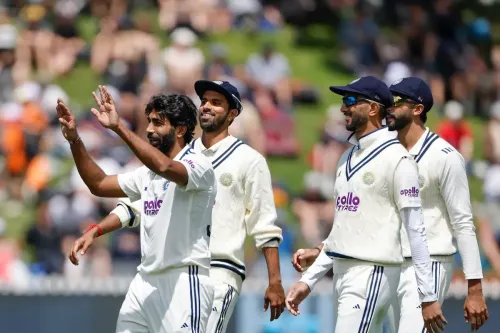
Assistant coach Sitanshu Kotak defended the decision, calling it 'the best possible XI the team management thought it was.' India selected a four-pronged pace attack with Washington Sundar as the sole spinner, leaving out both Siraj and Ravindra Jadeja .
The choice of Sundar over Jadeja was influenced by four left-handed batters in New Zealand's top order.
Debutant Anshul Kamboj clocked up to 129-130 kmph ; India reduced New Zealand to 70/5 before a 173-run stand between Henry Nicholls and Glenn Phillips took the hosts to 243/5 at stumps.
Siraj had featured in only two matches — an India A game and the fifth ODI — since arriving in New Zealand.
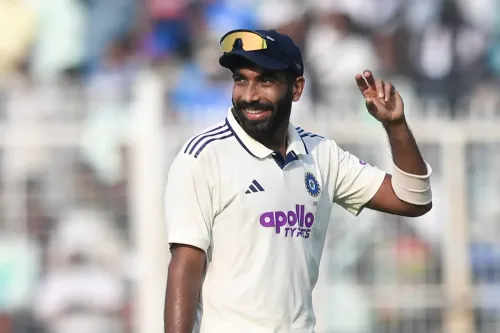
India assistant coach Sitanshu Kotak on 19 November stood firmly behind the team management's call to leave Mohammed Siraj out of the playing XI for the first Test against New Zealand at the Basin Reserve in Wellington, asserting that the combination chosen was the most suitable for the conditions on offer — and that there was absolutely nothing wrong with the experienced pacer.
Why Siraj Was Left Out
India went into the series opener with a four-pronged pace attack and Washington Sundar as the sole spin option, leaving out both Siraj and Ravindra Jadeja. Kotak, speaking to the media after Day 1, was unequivocal: 'I personally don't think it was a wrong decision, no.'
The assistant coach acknowledged Siraj's standing in the game — 'Siraj also is a world-class bowler' — but maintained that conditions at the Basin Reserve, a surface with considerable grass cover, dictated a specific combination of pace, seam movement, and swing. He explained the logic succinctly: 'Putting it shortly, I would say two seam the ball well, two swing the ball well. And obviously pace is one thing because when you are playing on a wicket, which is a little damp, soft to start with, with a lot of grass, obviously one with a height, which gives a bounce.'
Concerns Over Siraj's Limited Match Time
Questions at the press conference extended beyond the selection rationale to Siraj's match readiness, given that he had featured in only two games — an India A fixture and the fifth ODI — since arriving in New Zealand as part of the wider touring group. Kotak dismissed any suggestion that the fast bowler was struggling. 'There is nothing wrong. I mean I can't see anything wrong,' he said, adding that conditions in Sri Lanka, where Siraj played both Tests, were markedly different from those in New Zealand.
Washington Sundar Over Jadeja: The Left-Hander Factor
Kotak also shed light on why off-spinner Washington Sundar was preferred over left-arm spinner Jadeja. He pointed to the composition of New Zealand's top order, which features four left-handed batters, as a key factor. 'According to the condition and opposition, four left-handed players in the top order, according to that obviously an off-spinner was preferred,' he said.
Notably, this selection logic underscores how Indian team management is approaching the series with a match-up-driven mindset, tailoring each XI to the specific opposition rather than defaulting to established names.
Kamboj's Pace and Day 1 Scorecard
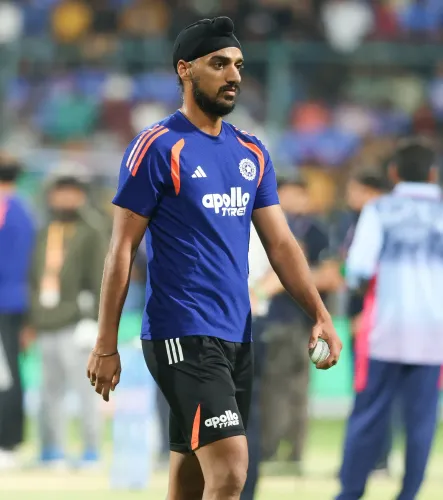
Kotak also addressed concerns about debutant Anshul Kamboj's speed, which appeared to drop as his spells lengthened. He maintained that Kamboj had clocked 129-130 kmph in his third spell, with a couple of deliveries around 126 kmph, and reiterated that pace is critical on a heavily grassed surface because lower speeds give batters more time to handle uneven movement.
India's seamers made early inroads after the visitors elected to field upon winning the toss, reducing New Zealand to 60/4 by lunch and then 70/5 after the dismissal of Tom Blundell. However, Henry Nicholls and Glenn Phillips responded with an unbroken 173-run partnership, steering the hosts to 243/5 at stumps on Day 1.
With the match still in its early stages, whether India's four-seamer strategy pays dividends will become clearer as the Basin Reserve surface evolves across what could be a five-day contest.
Point of View
Built largely on a 173-run unbeaten partnership, will only sharpen that question going into Day 2. If India fail to dismiss New Zealand cheaply, the selection will be relitigated far beyond any press-conference defence.
NationPress
19 Nov 2026
Frequently Asked Questions
Why was Mohammed Siraj left out of India's playing XI for the first Test against New Zealand?
India assistant coach Sitanshu Kotak said the team management selected the XI they believed was best suited to the Basin Reserve conditions, prioritising a combination of four seamers who could generate pace, seam movement, and swing on a grassy, damp surface. Kotak stressed there was 'nothing wrong' with Siraj and described him as a 'world-class bowler.'
Why was Washington Sundar picked over Ravindra Jadeja for the Wellington Test?
Kotak explained that New Zealand's top order contains four left-handed batters, which made an off-spinner a more suitable tactical choice than Jadeja's left-arm spin. The selection was explicitly tied to the opposition's batting composition rather than any form concern about Jadeja.
How much match time has Siraj had since arriving in New Zealand?
Siraj has featured in only two matches since joining the touring group in New Zealand — an India A fixture and the fifth ODI. He did not play in any of the warm-up games directly ahead of the Test series, raising questions about his match sharpness.
What was the Day 1 scorecard in the first India vs New Zealand Test at the Basin Reserve?
India elected to field after winning the toss and reduced New Zealand to 60/4 by lunch and then 70/5 after the dismissal of Tom Blundell. However, Henry Nicholls and Glenn Phillips put on an unbroken 173-run partnership, taking New Zealand to 243/5 at stumps on Day 1.
How fast did Anshul Kamboj bowl on Day 1 at Wellington?
Assistant coach Sitanshu Kotak said Kamboj reached 129-130 kmph in his third spell, with a couple of deliveries around 126 kmph. Kotak emphasised that pace is particularly important on a surface with thick grass cover, as lower speeds give batters more time to cope with uneven movement.