Giriraj Singh: Modi's Gifts Carry India's Craft to World Leaders
Synopsis
Union Textiles Minister Giriraj Singh highlighted how PM Modi's practice of gifting culturally significant Indian artifacts to global leaders is amplifying the reach of India's heritage, craft traditions and artisan communities on the world stage.
Key Takeaways
Union Textiles Minister Giriraj Singh posted on 19 November 2026 celebrating PM Modi's diplomatic gifting tradition as a vehicle for India's global cultural outreach.
The minister stated that these gifts carry 'the diversity of our heritage, the skill of craftsmen and the soul of Indian art preserved across generations.' India has integrated GI-tagged handicrafts and regional textiles into diplomatic gifting since 2014 , turning bilateral visits and multilateral summits into craft showcases.
The Ministry of Textiles supports artisan communities through branding and market-linkage programmes that underpin this soft-power strategy.
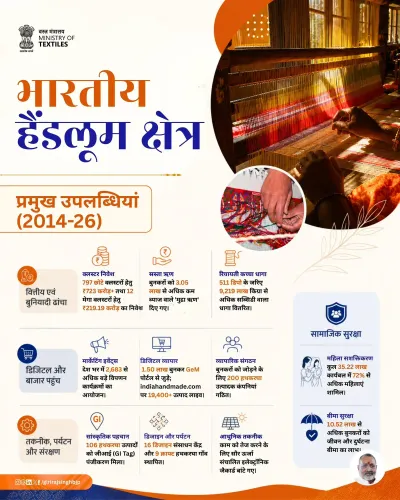
India's handloom sector employs an estimated 35 lakh weavers , making craft promotion a significant rural livelihood issue alongside its diplomatic dimension.
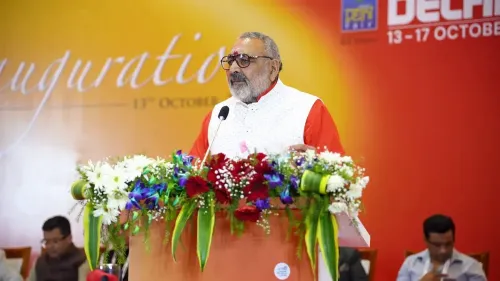
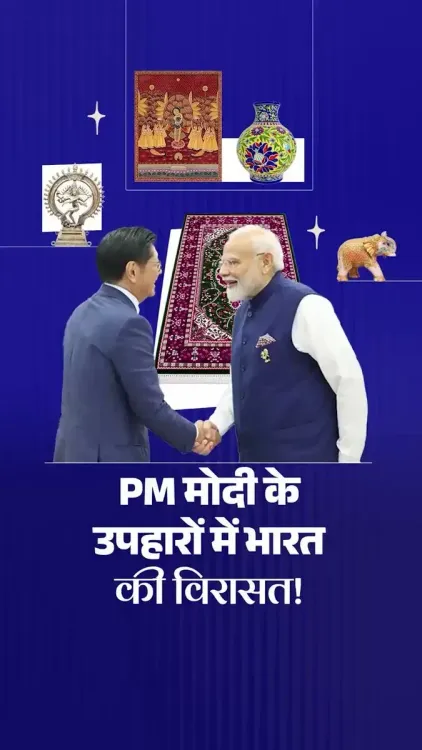
Every time Prime Minister Narendra Modi hands a carefully chosen artifact to a foreign head of state, a weaver in Varanasi or a potter in Manipur gets written into the record of global diplomacy. Union Textiles Minister Giriraj Singh underscored exactly that point on Thursday, 19 November 2026, celebrating how India's rich artistic traditions are reaching every corner of the world through the Prime Minister's tradition of presenting cultural gifts to world leaders.
Posting on X in Hindi, Singh wrote that through the special gifts presented by 'aadarniya Pradhan Mantri Shri Narendra Modi ji' ('respected Prime Minister Narendra Modi') to global leaders, 'a beautiful glimpse of India's prosperous art, culture and glorious traditions has reached the world stage.' He added that these artworks carry 'the diversity of our heritage, the skill of craftsmen and the soul of Indian art preserved across generations.'
Soft Power, Stitch by Stitch
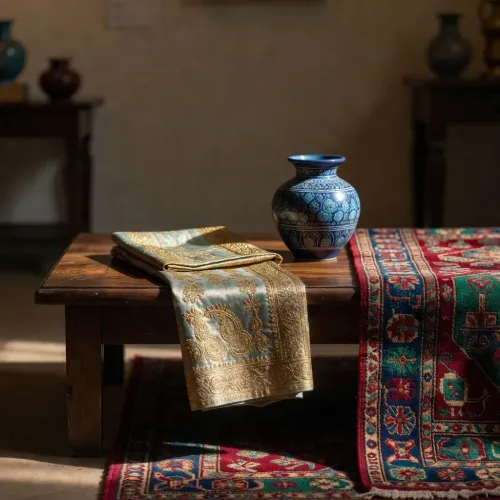
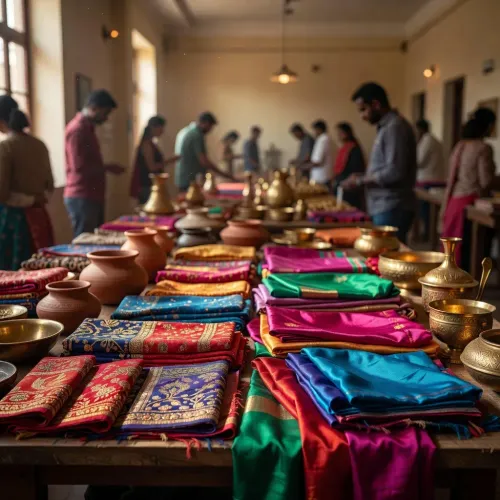
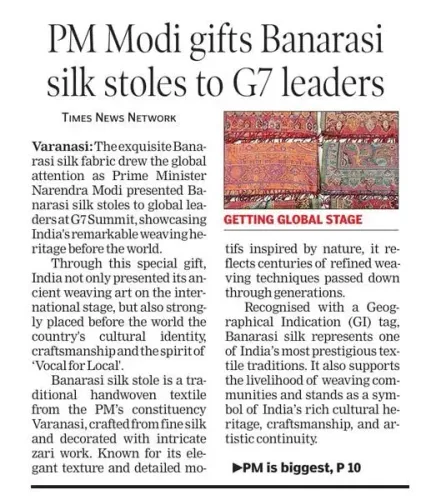
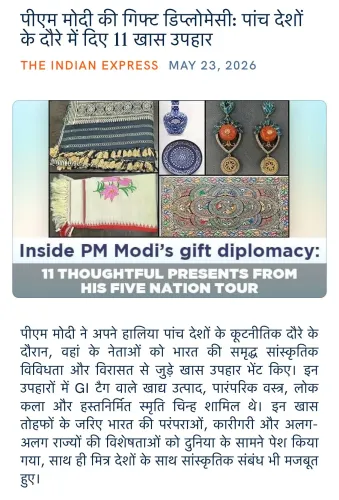
India's use of cultural artifacts as state gifts is not new, but the current administration has sharpened it into a deliberate foreign-policy instrument. Since 2014, bilateral visits and multilateral forums — from G20 summits to bilateral state visits — have become consistent showcases for regionally specific crafts: GI-tagged textiles, handloom saris, Dhokra metalwork, Pashmina shawls, and intricate woodcraft, among others.
The logic is straightforward: a hand-delivered artifact does what a trade brochure cannot. It places an artisan's labour — and the government's advocacy for it — directly in the hands of a head of state. Each gift doubles as a soft-power statement and a marketing moment for India's craft export ambitions.
Where the Textiles Ministry Fits In
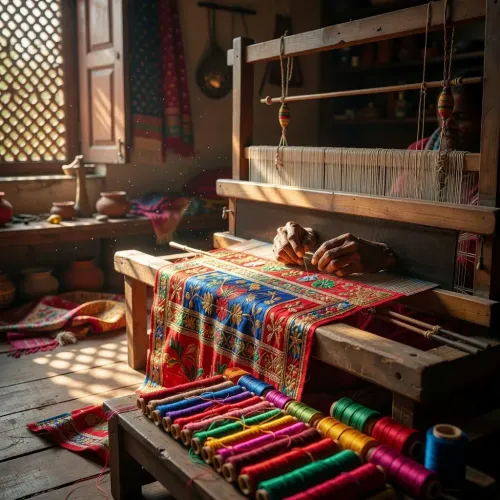
Singh's ministry sits at the operational heart of this effort. The Ministry of Textiles manages branding, market-linkage programmes, and support structures for the handloom and handicraft sectors — the very communities whose work ends up in diplomatic gift boxes. India's handloom sector alone employs an estimated 35 lakh weavers, making it one of the largest rural employment generators in the country.
By publicly connecting the Prime Minister's gifting tradition to the welfare of these artisans, Singh is also signalling ministerial ownership of the narrative — positioning his ministry's work as integral to India's global cultural projection, not merely a domestic welfare function.
The GI Tag as a Diplomatic Passport
Central to this strategy is the expansion of Geographical Indication (GI) tags for Indian crafts. A GI designation protects regional identity and adds provenance value — precisely what makes an artifact worthy of a head-of-state gift. India has steadily grown its roster of GI-tagged products over the past decade, and each new registration strengthens the argument that an Indian craft gift is irreplaceable, traceable, and authentically regional.
India's crafts-as-diplomacy playbook is maturing fast. The question now is whether that visibility at the summit table converts into durable export orders and sustained livelihoods for the artisans who make it all possible.
Point of View
Singh is making the case that soft power and artisan welfare are the same policy in different clothes. The GI-tag expansion drive amplifies this, turning regional craft provenance into a form of diplomatic credibility. If the government can convert this high-visibility gifting narrative into verifiable upticks in craft exports and artisan incomes, it closes the loop between optics and outcome.
NationPress
19 Nov 2026
Frequently Asked Questions
What kinds of gifts does PM Modi typically present to foreign leaders?
PM Modi has presented a range of GI-tagged Indian handicrafts and cultural artifacts — including handloom textiles, Pashmina shawls, Dhokra metalwork, and regional woodcraft — to foreign heads of state during bilateral visits and multilateral summits.
What is the role of the Ministry of Textiles in India's cultural diplomacy?
The Ministry of Textiles supports the artisan and handloom communities whose work forms the basis of India's diplomatic gifts, through branding initiatives, GI-tag expansion, and market-linkage programmes that promote Indian crafts domestically and internationally.
What is a GI tag and why does it matter for Indian crafts?
A Geographical Indication (GI) tag certifies that a product originates from a specific region and possesses qualities unique to that origin. For Indian crafts, it adds provenance, protects artisan identity, and enhances the product's value as an authentic cultural artifact — including in diplomatic gifting.
Why did Giriraj Singh post about PM Modi's gifts?
As Union Textiles Minister, Giriraj Singh oversees sectors that produce the handicrafts and textiles used in diplomatic gifts. His post connects PM Modi's cultural gifting tradition to his ministry's mandate of promoting Indian artisans and their work on the global stage.
How many weavers does India's handloom sector employ?
India's handloom sector employs an estimated 35 lakh (3.5 million) weavers, making it one of the largest rural employment generators in the country and a key community benefiting from policies that promote Indian crafts globally.