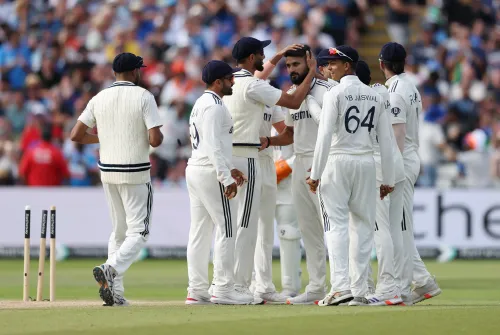
Kookaburra goes soft after 25-30 overs: Morkel's warning to India seamers

Synopsis
With Bumrah sidelined and the Kookaburra set to go soft inside 30 overs in Galle's heat, India's bowling coach Morne Morkel is asking a reshaped seam attack — led by Siraj and featuring the uncapped Auqib Nabi — to be 'street smart' from ball one. The margin for error is thin, and the window for pace bowling even thinner.
Key Takeaways
India bowling coach Morne Morkel warned that the Kookaburra ball will go soft after 25–30 overs in Sri Lanka's heat and humidity.
Jasprit Bumrah has been ruled out of the two-Test series due to a knee injury .
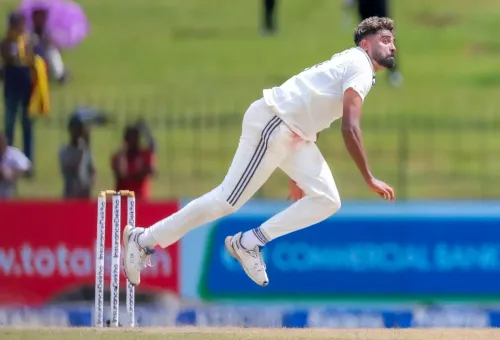
Mohammed Siraj leads the pace attack, backed by Prasidh Krishna , Gurnoor Brar , and debutant Auqib Nabi .
Morkel stressed the need to hit the deck hard in the early overs, then switch to crease-use and short-ball tactics once the ball ages.
The first Test begins in Galle on 15 August ; the second is in Colombo from 23 August .
India bowling coach Morne Morkel has issued a clear warning to the team's pace attack ahead of the two-Test series against Sri Lanka, stressing that the Kookaburra ball will lose its hardness as early as the 25th to 30th over in Galle's heat and humidity — and that seamers must be mentally and tactically ready for that shift. The first Test is scheduled to begin on 15 August at Galle, with the second in Colombo from 23 August.
The Bumrah-shaped hole in India's attack
India's seam bowling plans have been disrupted by the absence of Jasprit Bumrah, ruled out of the series with a knee injury. Mohammed Siraj now leads the pace unit as its most experienced member, supported by Prasidh Krishna, Gurnoor Brar, and newly called-up Auqib Nabi. The group is relatively untested as a collective in Test conditions, and Morkel has acknowledged that returning to red-ball cricket after a gap adds another layer of challenge.
What Morkel Said About the Conditions
'Our skill is there, and the planning will be there, but the biggest challenge coming to Sri Lanka is the heat, the humidity, and the Kookaburra ball going soft a little earlier. It will go soft after 25 or 30 overs, so we have to expect that. In these conditions, it's all about your mindset. If you're a fast bowler, if you're going to bowl the shortest spells, the energy you put into the ball and putting it into good areas — you'll always have opportunity,' Morkel said.
The former South Africa pace bowler also flagged the importance of stacking overs with intensity and exploiting whatever uneven bounce the surface offers as the match progresses. 'As the Test match will go on, hopefully there will be a little bit of uneven bounce. It's about how we can stack up overs together with intensity and create that pressure because we haven't played a lot of red-ball cricket in the last couple of months; going back into that is going to be a challenge as well,' he added.
The Street-Smart Approach Morkel Demands
Morkel drew on his own playing experience in Sri Lanka to outline what works — and what must evolve once the ball ages. 'Even in our playing days, I thought if you hit the deck hard here, you are asking lots of questions on a good length, you're always in the chance of picking up results,' he said. Once the Kookaburra softens, however, the approach must shift. 'When the ball goes soft, what is our next step? We have to be street smart in terms of how we're going to use the crease or how we're going to use our short ball. We need to be able to do some of that quite quickly,' Morkel said.
Context and What It Means for the Series
This comes amid broader concerns about India's red-ball depth in the absence of Bumrah, who has been the team's primary wicket-taker in recent Test campaigns. The Sri Lanka series, played in conditions that historically favour spin over pace, places an added premium on the seamers' ability to contribute in the first 25–30 overs before handing over to the spinners. Notably, Galle in particular is known for its turning tracks, meaning the window for seam effectiveness is narrow and must be exploited decisively. How Siraj and the supporting cast manage that window will be a key subplot of the series.
Point of View
Not a sign of unease. The real concern, though, is structural: India's seam attack without Bumrah lacks a genuine match-winner, and Galle's spin-friendly surface means the pacers' effective window may be even shorter than 25 overs in practice. Siraj is a capable leader of the attack, but asking Prasidh Krishna, Gurnoor Brar, and a debutant in Auqib Nabi to collectively fill a Bumrah-sized gap — in conditions that already disadvantage pace — is a significant ask. If the seamers cannot take wickets in that early window, India's spinners will carry a disproportionate load across both Tests.
NationPress
28 Sept 2026
Frequently Asked Questions
Why did Morne Morkel warn India's seamers about the Kookaburra ball?
Morkel cautioned that in Sri Lanka's heat and humidity, the Kookaburra ball loses its hardness as early as the 25th to 30th over, significantly reducing conventional seam movement. He urged bowlers to maximise their impact in the early overs and then adapt with crease variation and short-ball tactics once the ball softens.
Why is Jasprit Bumrah not playing in the Sri Lanka Test series?
Jasprit Bumrah has been ruled out of the two-Test series against Sri Lanka due to a knee injury. His absence leaves Mohammed Siraj as the most experienced seamer in the squad.
Who will lead India's pace attack in the Sri Lanka Tests?
Mohammed Siraj will lead India's seam bowling, supported by Prasidh Krishna, Gurnoor Brar, and newly called-up Auqib Nabi, who is yet to make his Test debut.
When and where are the India vs Sri Lanka Tests being played?
The first Test is scheduled from 15 August in Galle, and the second Test runs from 23 August in Colombo.
What strategy did Morkel outline for when the ball goes soft?
Morkel said bowlers must be 'street smart' — using crease width and the short ball more creatively once the Kookaburra loses hardness. He also emphasised maintaining intensity across spells and stacking overs together to build pressure even without conventional seam movement.