Odisha's Hockey Triumph: A Catalyst for Change in Tribal India
Synopsis
Odisha's remarkable achievement at the Khelo India Tribal Games 2026 is not just about medals; it represents a transformation in tribal communities through hockey. The victories highlight the growing recognition of talent and the role of sports in uniting diverse regions of India.
Key Takeaways
Odisha's hockey teams achieved historic wins at the Khelo India Tribal Games 2026.
The victories represent a transformation in tribal communities through sports.
Grassroots programs are essential for nurturing talent in underrepresented regions .
Former Olympians are playing a vital role in coaching and mentoring young athletes.
The impact of hockey extends beyond sports, fostering identity and community unity.
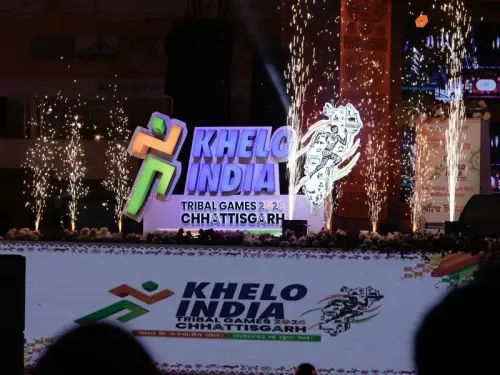
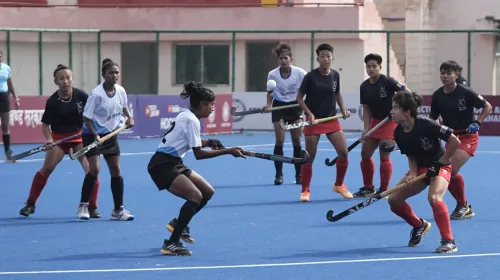
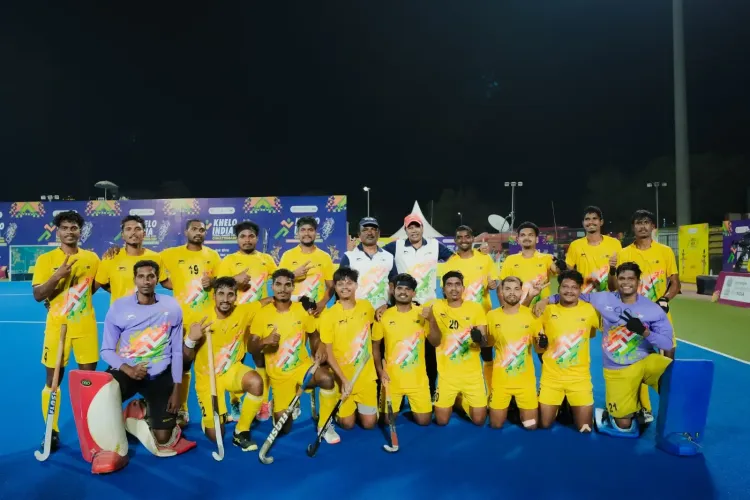
Raipur, April 2 (NationPress) Odisha wrapped up an outstanding performance by clinching both gold medals in the men’s and women’s hockey categories at the Khelo India Tribal Games 2026 in Raipur, hosted at the Vallabhbhai Patel International Hockey Stadium. In the men’s final, Odisha triumphed over Jharkhand with a score of 4-1, while the women's final was a nail-biter, with Odisha narrowly edging past Mizoram 1-0. Jharkhand secured silver in the men’s division, Chhattisgarh earned bronze, and in the women’s category, Jharkhand also achieved a commendable bronze, completing the podium placements.
Odisha’s double gold at the Khelo India Tribal Games 2026 in Raipur signifies more than a sporting achievement; it illustrates the transformative power of hockey in tribal areas across Odisha, Jharkhand, and Chhattisgarh. The northeastern states, celebrated for their athletic prowess, also made strides, with Mizoram advancing to the knockout stages at KITG 2026.
The men’s team from Odisha delivered an impressive 4-1 victory against Jharkhand in the final, while the women’s team clinched a tense win over Mizoram 1-0 in a close championship match. The presence of Jharkhand and Chhattisgarh on the podium underscores the increasing talent emerging from these regions. However, the narrative transcends medals, extending into villages, forests, and communities where hockey symbolizes identity and opportunity.
For decades, hockey has been an integral part of tribal culture, with children crafting sticks from tree branches and playing barefoot on rugged terrain. Although talent was always evident, the pathway to success was unclear, a trend that is now beginning to shift.
With the establishment of Centres of Excellence overseen by the Union sports ministry and state authorities, along with improved infrastructure and organized grassroots initiatives, a robust ecosystem is gradually taking shape. Ajit Lakhra, a former Olympian and head coach at the Bilaspur Centre of Excellence, observes this evolution firsthand and states, “The entire framework, from grassroots to junior and senior levels, is steadily gaining strength. Athletes from tribal backgrounds, in particular, are reaping significant benefits. Their inherent talent is now being honed with appropriate guidance and training.”
Lakhra believes this structured backing is generating a ripple effect. “When children come here, learn, and perform admirably, they motivate others. This is fostering a chain reaction, with new players continuously emerging,” he remarked to SAI Media.
Regions once affected by socio-economic challenges and Naxalism are now witnessing a subtle transformation through sports. Hockey is evolving into a unifying force, weaving communities into the national tapestry. The sports ministry’s ASMITA program is increasingly involving female athletes, helping them integrate into the mainstream.
Former Olympian Manohar Topno, who participated in the 1984 Los Angeles Olympics and has coached both Jharkhand and Chhattisgarh men’s teams, underscored the grassroots significance of programs like the Khelo India Tribal Games.
“I extend my gratitude to SAI for organizing this grassroots tournament. The boys and girls from our communities are rising and rebuilding. If we continue on this path, one day these players will don the national colors,” Topno stated.
Topno also highlighted a fundamental yet powerful truth about the talent pool, adding, “The reason is that our tribal communities naturally engage with hockey. If we focus on these areas, our players will flourish and bring pride to the country.”
A significant advancement has been the incorporation of sports science, physiotherapy, and video analysis—resources that were once exclusive to elite teams. Now, athletes from remote areas can access professional training facilities. This combination of instinctive play and advanced coaching is paving the way for new avenues of achievement.
Asrita Lakra, a former Jharkhand athlete and current Hockey India member, emphasized how these changes are motivating athletes.
“Hockey is deeply rooted in the lives of children in these regions, naturally attracting them to the sport. Initiatives like Khelo India have provided them with direction,” Lakra stated.
“With enhanced facilities, training, and exposure, players are now reaching the national stage. Their confidence has soared, and noticeable improvements in performance are evident,” she added.
The impact is becoming apparent through tangible results, representation, and heightened aspirations. Tribal athletes have transitioned from mere participants to contenders, champions, and future international representatives.
Odisha’s dual victory in Raipur represents a larger movement where villages are evolving into centers of excellence, with hockey inspiring a new generation's ambitions. From the dusty fields of Bastar to the vibrant stadiums of Raipur, these athletes' journeys are revolutionizing Indian hockey and influencing the social landscape of tribal India.
Point of View
The recent success of Odisha's hockey teams at the Khelo India Tribal Games 2026 highlights the profound impact of sports on tribal communities. This victory is not merely about accolades; it symbolizes hope, opportunity, and a pathway for young athletes from underrepresented regions to shine on national and international stages.
NationPress
24 Sept 2026
Frequently Asked Questions
What did Odisha achieve at the Khelo India Tribal Games 2026?
Odisha won both the men’s and women’s hockey gold medals at the Khelo India Tribal Games 2026, showcasing remarkable talent and transformation in tribal regions.
How is hockey impacting tribal communities in India?
Hockey is becoming a unifying force, providing opportunities and fostering identity within tribal communities, while also improving socio-economic conditions through sports.
Who are some notable figures in Odisha's hockey success?
Former Olympians like Ajit Lakhra and Manohar Topno are instrumental in coaching and guiding players from tribal backgrounds, helping them reach national and international levels.
What initiatives are supporting tribal athletes in India?
Programs like Khelo India and the ASMITA initiative by the sports ministry are providing resources, training, and exposure to support the development of tribal athletes.
How is sports science influencing tribal hockey players?
The integration of sports science, physiotherapy, and advanced coaching methods is helping tribal athletes refine their natural talent and improve performance significantly.