Has Pakistan Targeted BCCI or Taken the Issue to ICC? Rashid Latif Explains
Synopsis
Rashid Latif discusses Pakistan's bold decision to boycott the T20 World Cup match against India, revealing the potential sanctions and the rippling effects on future ICC events. Could this move affect significant tournaments like the Women's T20 World Cup and Asia Cup? Explore Latif's insights on the political context and double standards in cricket governance.
Key Takeaways
Pakistan's boycott of the T20 World Cup match against India could lead to sanctions.
The decision may impact future ICC events , including the Women’s T20 World Cup.
Financial consequences are expected due to the high value of India-Pakistan matches.
Rashid Latif highlighted a double standard in ICC's treatment of requests.
The political context in South Asia is influencing cricket decisions.
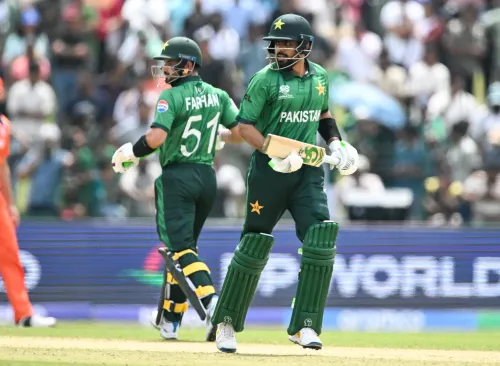
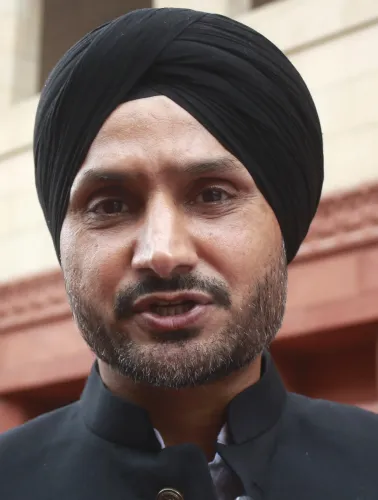
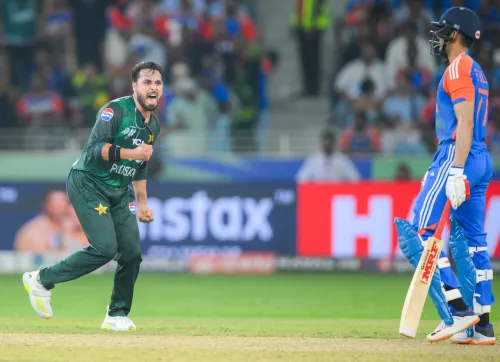
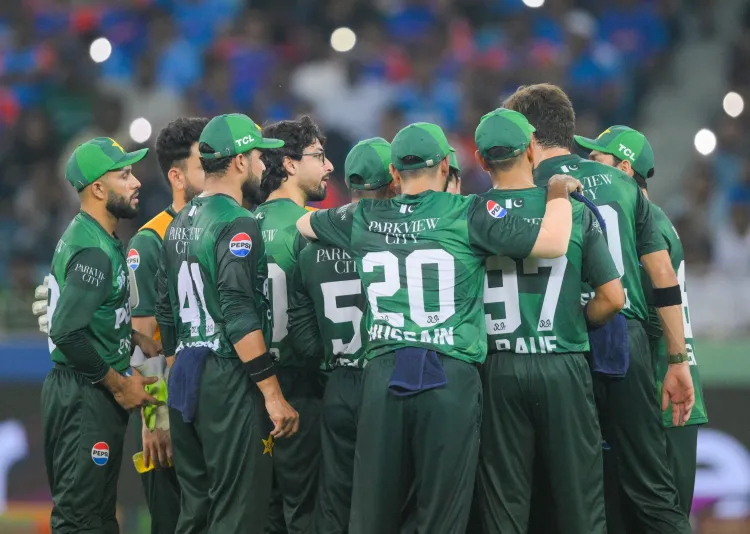
New Delhi, Feb 2 (NationPress) Former captain Rashid Latif commented on Pakistan's decision to boycott the T20 World Cup match against India, noting that they could face sanctions and should be conscious of the potential repercussions. This boycott might affect their participation in upcoming ICC events, such as the Women’s T20 World Cup in England, the Asia Cup, and other significant tournaments.
The Pakistan government has directed the Pakistan Cricket Board not to compete against India in the forthcoming ICC T20 World Cup, providing conditional approval for participation. This decision arises from the ICC’s refusal to relocate Bangladesh's World Cup matches out of India, a demand Pakistan has vigorously supported.
“This choice considers the political context. Previously, India implemented measures like the neutral venue and hybrid model. Given the current political landscape in South Asia, involving Pakistan and Bangladesh, this decision closely aligns with broader regional dynamics. With Bangladesh approaching elections and West Bengal also due for elections, this adds complexity,” Latif told IANS.
“Reviewing last year's events, including border incidents and gestures like not shaking hands during the Asia Cup, all these factors seem to have influenced Pakistan’s stance. The Pakistan government appears to be cautious about facing sanctions,” he added.
“This boycott extends beyond just this World Cup. The Women’s T20 World Cup in England and the Asia Cup are also at stake. In the World Cup, a single India–Pakistan match is valued at approximately 40–50 million dollars, so its absence will have a significant financial impact,” he noted.
Latif emphasized that Pakistan's absence from ICC events like the 2027 World Cup could diminish the overall value and revenue of these tournaments, affecting associate member nations reliant on ICC and ACC funding.
“If Pakistan does not participate in the 2027 World Cup or other ICC events, it will influence the overall value of these tournaments. The ICC supports associate member nations, and the ACC provides financial assistance. A decline in overall revenue will resonate throughout the cricketing community,” the former captain stated.
He suggested that Pakistan may have already considered the potential losses and prepared for possible sanctions, indicating that the ICC would also incur significant financial damage if negotiations do not take place.
“Pakistan might have assessed its potential losses, and the government has strategized to handle the situation if sanctions are enforced. Nevertheless, the impact will be considerable. The ICC might be compelled to negotiate, as failure to do so would result in direct losses for them,” Latif remarked.
Latif stressed that Pakistan has taken the matter directly to the ICC, signifying a calculated and well-thought-out approach instead of a hasty decision. He affirmed, “Pakistan has not targeted the BCCI; it has approached the ICC directly. Any decision made by the ICC will have been thoroughly contemplated. Pakistan might have arrived late, but its approach is more calculated and deliberate.”
Latif pointed out a double standard from the ICC, mentioning that while India’s request for a neutral venue led to the hybrid model, Bangladesh’s security concerns were dismissed quickly. He believes such issues should be discussed more openly, especially when politics is involved.
“Last year, India expressed its intention to compete at a neutral venue, leading to the hybrid model's establishment. Bangladesh raised security concerns and lodged a complaint with the ICC, but within 24 hours, their request was denied. This clearly reflects a double standard from the ICC. The matter should have been discussed more thoroughly. When politics enters the equation, situations inevitably evolve,” he said.
He added that Pakistan later aligned with Bangladesh's position, warning that countries like Australia, South Africa, and England, which have a vested interest in cricket involving India, could support Pakistan. “Bangladesh was the first to refuse to play the T20 World Cup against India, and Pakistan later echoed that stance. Following Pakistan, nations like Australia and South Africa might also join this discussion; they should not be underestimated.
“They hold significant stakes in cricket involving India. If a meeting occurs, Australia, South Africa, and England may all advocate for the inclusion of Pakistan and Bangladesh within the ICC framework. I believe this scenario could unfold, as failure to do so would lead to a considerable setback for international cricket,” Latif continued.
Pakistan is placed in Group A alongside the USA, Namibia, and the Netherlands, in addition to their arch-rivals India. They are set to kick off the World Cup against the Netherlands in Colombo on February 7.
When asked if Pakistan should boycott if they face India in knockout matches of the T20 World Cup or in the final, Latif remarked, “The ICC will convene on this matter, and negotiations will ensue. Without negotiations regarding the knockout matches, the World Cup will be compromised.”
Point of View
I believe Pakistan's decision to boycott the T20 World Cup match against India is a significant political statement. While the repercussions may impact both teams and the ICC, it's essential to recognize the complexities of regional politics at play. This situation demands a thorough examination of how cricket politics intertwine with international relations, and we stand by the nation as it navigates these challenging waters.
NationPress
6 Oct 2026
Frequently Asked Questions
Why did Pakistan decide to boycott the T20 World Cup match against India?
Pakistan's decision stems from political tensions and their protest against the ICC's refusal to relocate Bangladesh's World Cup matches out of India.
What are the potential consequences of this boycott?
The boycott could lead to sanctions against Pakistan and significantly impact their participation in future ICC events, including the Women's T20 World Cup and the Asia Cup.
How does this decision affect the financial aspect of cricket?
A single India-Pakistan match is valued at around $40-$50 million. Pakistan's absence could lead to substantial financial losses for ICC events.
What did Rashid Latif say about the ICC's handling of the situation?
Latif pointed out a double standard in the ICC's decisions, noting that while India's request for a neutral venue was accepted, Bangladesh's security concerns were quickly dismissed.
What is the broader political context surrounding this decision?
The political dynamics in South Asia, particularly concerning Pakistan and Bangladesh, play a crucial role in this decision, especially with elections approaching in both countries.