Pakistan Test shake-up a 'familiar chaos cycle', says ex-captain Yousuf
Synopsis
With Pakistan already 0-2 down and seven players plus two coaches sent home mid-tour, former Test stalwart Mohammad Yousuf has delivered a damning verdict: this isn't about form — it's the same boardroom chaos that has haunted Pakistan cricket since 1992. His social media broadside puts the PCB's governance, not the players, squarely in the dock.
Key Takeaways
Mohammad Yousuf (90 Tests, 7,500+ runs) publicly criticised the PCB's mid-tour overhaul as driven by 'internal chaos' rather than performance.
Seven players — including Mohammad Rizwan , Imam-ul-Haq , and Salman Ali Agha — were sent home ahead of the third Test.
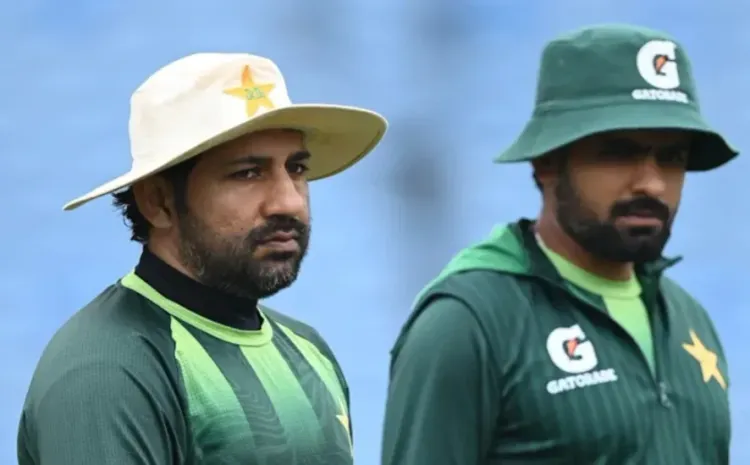
Red-ball head coach Sarfaraz Ahmed and bowling coach Umar Gul were also released; Mike Hesson and Ashley Noffke took over.
Pakistan lost the first Test at Headingley by an innings and 103 runs , and the second at Lord's by 194 runs , conceding the series 0-2 .
Yousuf warned the 'familiar cycle' of off-field turbulence has repeatedly eroded team stability since the 1992 World Cup triumph.
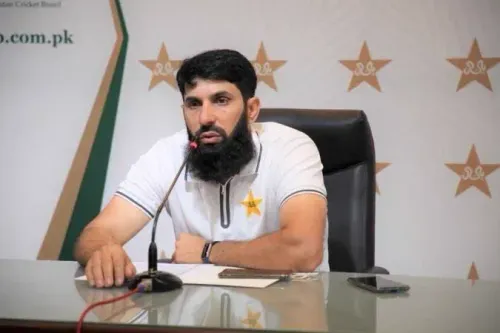
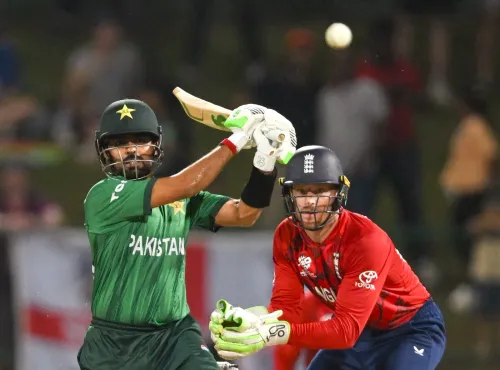
Former Pakistan captain Mohammad Yousuf has sharply criticised the sweeping mid-tour overhaul of Pakistan's Test squad and coaching staff during the ongoing England Test series, saying the move reflects a 'familiar cycle of internal chaos and differences of opinion' rather than any genuine performance-based reckoning. His remarks, posted on social media, add a prominent voice to growing concerns about governance at the Pakistan Cricket Board (PCB).
The Scale of the Overhaul
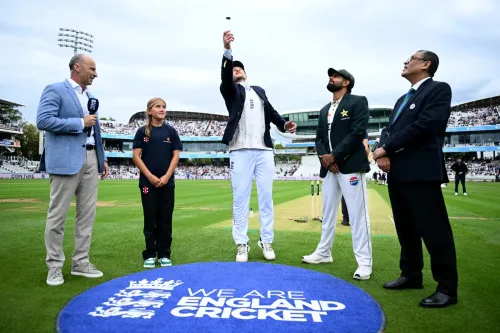
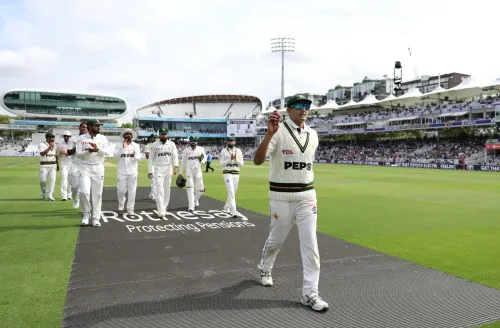
The PCB triggered the shake-up after Pakistan slipped to an unassailable 0-2 deficit in the three-match series. The team had first suffered an innings-and-103-run loss in the opening Test at Headingley, followed by a 194-run defeat to England at Lord's.
In response, the board sent seven players home ahead of the third Test — Mohammad Rizwan, Imam-ul-Haq, Salman Ali Agha, Ali Usman, Aamir Jamal, Muhammad Awais Zafar, and Khurram Shahzad. Two members of the coaching staff were also relieved: red-ball head coach Sarfaraz Ahmed and bowling coach Umar Gul. White-ball head coach Mike Hesson and Ashley Noffke have since assumed backroom responsibilities for the remainder of the tour.
What Yousuf Said
'The recent decision by the authorities to recall players and coaching staff from the ongoing tour does not appear to be only performance related,' Yousuf wrote on social media. He was pointed in his framing, noting that the replacements were hardly in the same bracket as Pakistan's all-time greats.
'After all, we are not sending legends like Zaheer Abbas, Javed Miandad, Inzamam-ul-Haq, or Saeed Anwar as replacements. Instead, this move reflects the familiar cycle of internal chaos, differences of opinion, and controversies that have long haunted Pakistan cricket,' he added.
Yousuf, who represented Pakistan in 90 Tests and accumulated more than 7,500 runs, warned that such turbulence has repeatedly resurfaced since the team's historic 1992 World Cup triumph. 'Since the glory of the 1992 World Cup, such turbulence has resurfaced time and again, eroding stability and distracting from the game itself,' he said.
The Broader Warning
The former skipper cautioned that sustained off-field disruption risks compounding damage to both the team's development and its supporters' trust. 'We have endured such turmoil in different forms many times before, each episode leaving scars on the team's progress and the fans' faith,' he wrote.
Yousuf's conclusion was unambiguous: 'Only strong performances and consistent positive results can silence the noise. Pakistan cricket must focus on the field, not the boardroom, if it is to restore credibility and inspire confidence among fans. Success remains the most effective antidote.'
A Pattern That Keeps Repeating
Notably, this is far from the first time mid-tour personnel changes have rattled Pakistan cricket. Critics argue the PCB has a long history of reactive decision-making — replacing individuals rather than addressing structural issues — a pattern that has drawn scrutiny from former players and commentators alike. This latest episode, coming during an active Test series on English soil, has amplified those concerns significantly.
With the third and final Test still to be played, all eyes will be on whether the reconstituted squad and revamped backroom can salvage any pride from a series that has already been lost.
Point of View
Citing 1992 as the last clean baseline. Until the PCB separates selection authority from political influence, the personnel will keep changing while the problem stays the same.
NationPress
2 Sept 2026
Frequently Asked Questions
Why did the PCB send seven players home during the England Test series?
The Pakistan Cricket Board removed seven players and two coaches from the England tour after Pakistan fell to an unassailable 0-2 deficit, losing at Headingley by an innings and 103 runs and at Lord's by 194 runs. Former captain Mohammad Yousuf, however, argued the move appeared to go beyond performance concerns, reflecting internal disagreements within the board.
Who was removed from Pakistan's touring squad and coaching staff?
The seven players sent home were Mohammad Rizwan, Imam-ul-Haq, Salman Ali Agha, Ali Usman, Aamir Jamal, Muhammad Awais Zafar, and Khurram Shahzad. Red-ball head coach Sarfaraz Ahmed and bowling coach Umar Gul were also released, with Mike Hesson and Ashley Noffke stepping in for the remainder of the tour.
What did Mohammad Yousuf say about the Pakistan cricket shake-up?
Yousuf wrote on social media that the recall of players and coaching staff 'does not appear to be only performance related,' describing it as a reflection of the 'familiar cycle of internal chaos, differences of opinion, and controversies' that have repeatedly disrupted Pakistan cricket since the 1992 World Cup. He urged the team to focus on the field rather than the boardroom.
How does this shake-up fit into Pakistan cricket's broader history?
According to Yousuf, mid-tour turbulence and boardroom-driven personnel changes have been a recurring pattern in Pakistan cricket since the 1992 World Cup. He said each such episode has left 'scars on the team's progress and the fans' faith,' suggesting the current overhaul is part of a long-standing structural problem rather than an isolated event.
What happens next for Pakistan in the England Test series?
Pakistan will play the third and final Test of the series, now led by a reconstituted squad and a revamped backroom under Mike Hesson and Ashley Noffke. The series has already been conceded 0-2, so the remaining match is largely a question of salvaging pride and form ahead of future international commitments.