Thomas Partey denied Canada visa for 2026 FIFA World Cup opener
Synopsis
Thomas Partey's Canada visa refusal is the sharpest symbol yet of a 2026 FIFA World Cup in administrative disarray — with referees held at borders, national teams relocating training camps, and a Dutch legend calling for FIFA's president to quit before the opening whistle had even blown.
Key Takeaways
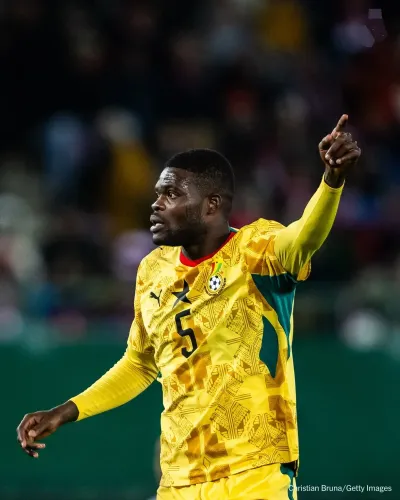
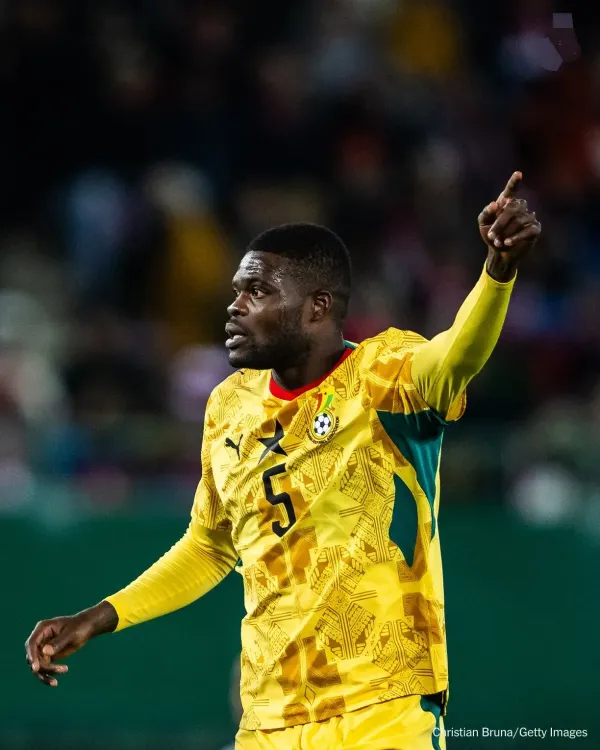
Thomas Partey , former Arsenal midfielder, was denied a Canadian visa on 12 June , ruling him out of Ghana's World Cup opener against Panama in Toronto on 17 June 2026 .
FIFA confirmed the refusal but did not provide a reason; reports link it to Partey's ongoing trial in London , where he has pleaded not guilty to multiple counts of rape.
Partey remains at Ghana's base camp in Boston, USA and is available for subsequent group-stage matches, including the clash with England .
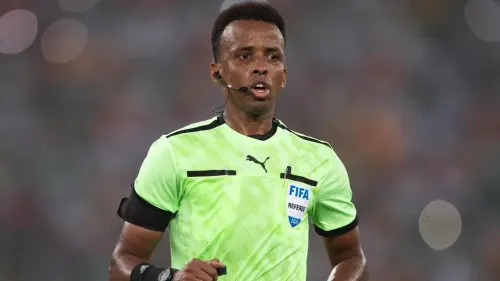
Other affected individuals include referee Omar Artan (Somalia), striker Aymen Hussein (Iraq), photographer Talal Salah (Iraq), Woodensky Pierre (Haiti), and Breel Embolo (Switzerland).
Dutch legend Ruud Gullit published an open letter calling on FIFA President Gianni Infantino to resign over the immigration controversies.
Iran's national team was forced to move its training camp to Mexico ; squads from Senegal and Uzbekistan faced extensive searches on arrival in the US.
Ghanaian midfielder Thomas Partey, the former Arsenal player, has been denied a visa to enter Canada, ruling him out of Ghana's opening 2026 FIFA World Cup match against Panama in Toronto on Wednesday, 17 June. The refusal, confirmed by FIFA on Friday, 12 June, adds Partey to a growing list of players and officials caught in the visa controversies surrounding the tournament's three co-hosts.
FIFA Confirms the Refusal
FIFA issued a formal statement acknowledging the situation. 'FIFA can confirm that player Thomas Partey will be unable to travel from Ghana's Team Base Camp in Boston, USA, to Canada for their first match against Panama on Wednesday, 17 June, as his visa application has been refused by the Canadian government,' a FIFA spokesperson said. The governing body did not disclose the reason behind the Canadian government's decision.
However, reports indicate that Partey is currently awaiting trial in London after pleading not guilty to multiple counts of rape — a legal matter that is reportedly connected to the visa refusal, though no official confirmation has been provided.
Impact on Ghana's World Cup Campaign
Despite missing the opener against Panama in Toronto, Partey remains available for Ghana's subsequent matches. He is already based with the rest of the squad at their team camp in Boston, USA, and is eligible for selection when Ghana face England in the Boston area in the preliminary group stage.
A Pattern of Visa Denials at the 2026 World Cup
Partey's case is far from isolated. The 2026 FIFA World Cup has been marred by a series of entry and immigration controversies involving multiple nations. Somali referee Omar Artan was reportedly refused entry into the United States. Iraqi striker Aymen Hussein was held for seven hours at Chicago airport, while Iraqi team photographer Talal Salah was denied entry entirely. Haitian player Woodensky Pierre and Swiss forward Breel Embolo have also faced visa complications.
Beyond individual cases, Iran's national team was forced to relocate its training camp to Mexico after several support staff were denied US visas. The squads of Senegal and Uzbekistan were subjected to extensive searches upon arrival in the United States. Uncertainty also persists over whether fans and journalists from countries under US travel restrictions will be permitted to attend matches.
Gullit Calls for Infantino's Resignation
The mounting controversy has drawn sharp criticism from football's elder statesmen. Dutch football legend Ruud Gullit published an open letter on Wednesday — the day before the tournament kicked off — calling on FIFA President Gianni Infantino to resign, citing the growing disruption caused by US immigration policies and the co-hosts' handling of accreditation and entry procedures.
What Happens Next
With the tournament now underway, pressure is mounting on FIFA and the three co-hosts — the United States, Canada, and Mexico — to resolve outstanding visa and entry issues before they further affect on-field competition. Ghana's first match without Partey kicks off on 17 June in Toronto, with the team's next fixture against England expected to bring the midfielder back into contention.
Point of View
Officials, and journalists. The governing body's statement — confirming the refusal while declining to explain it — underscores how little leverage it actually holds over host-nation immigration authorities. With a Dutch legend publicly demanding the president's resignation before match day one, and national teams rerouting training camps to third countries, the 2026 World Cup's off-field story is already threatening to overshadow the football. The question FIFA must answer is not why Partey was denied entry, but why no enforceable framework existed to prevent it.
NationPress
19 Sept 2026
Frequently Asked Questions
Why was Thomas Partey denied a visa to Canada for the 2026 FIFA World Cup?
The Canadian government refused Thomas Partey's visa application ahead of Ghana's opening World Cup match against Panama on 17 June in Toronto. No official reason was given, but reports indicate Partey is awaiting trial in London after pleading not guilty to multiple counts of rape.
Will Thomas Partey play any matches at the 2026 FIFA World Cup?
Partey is ineligible for Ghana's opener against Panama in Toronto but remains available for subsequent matches. He is already based with the squad at their team camp in Boston, USA, and can be selected for the group-stage fixture against England in the Boston area.
Who else has faced visa or entry problems at the 2026 FIFA World Cup?
Several players and officials have encountered entry issues, including Somali referee Omar Artan (denied US entry), Iraqi striker Aymen Hussein (held seven hours at Chicago airport), Iraqi photographer Talal Salah (denied US entry), and players Woodensky Pierre of Haiti and Breel Embolo of Switzerland. Iran's team also relocated its training camp to Mexico after support staff were denied US visas.
What did Ruud Gullit say about the 2026 FIFA World Cup visa controversy?
Dutch football legend Ruud Gullit published an open letter on the eve of the tournament calling on FIFA President Gianni Infantino to resign, citing the mounting disruption caused by US immigration policies and the co-hosts' handling of player and official accreditation.
What is FIFA's official position on the Thomas Partey visa denial?
FIFA confirmed in a statement that Partey would be unable to travel from Ghana's base camp in Boston to Canada for the Panama match, as his visa application was refused by the Canadian government. The governing body did not disclose the reason for the refusal.