Bhaichung Bhutia: Protest is a right, but abusing the PM harms the nation

Synopsis
Two of India's most decorated sportspersons — football legend Bhaichung Bhutia and double Olympic medallist Manu Bhaker — have stepped into the political arena to call out abusive language at a New Delhi protest targeting PM Modi. Their intervention signals that the Jantar Mantar controversy has moved well beyond partisan lines.
Key Takeaways
Bhaichung Bhutia on 4 August said abusive language against Prime Minister Modi 'does not reflect well on an individual or the country as a whole.' The remarks follow videos from a CJP protest at Jantar Mantar, New Delhi showing protesters using profane slogans against the PM.
Double Olympic medallist Manu Bhaker had earlier urged youth on X to 'choose words wisely,' saying 'using bad language is not cool.' PM Modi responded via an Instagram video, saying he did not want the protesters punished and hoped they would learn from their mistakes.
Modi revealed that protesters had also directed abusive language at his late mother .
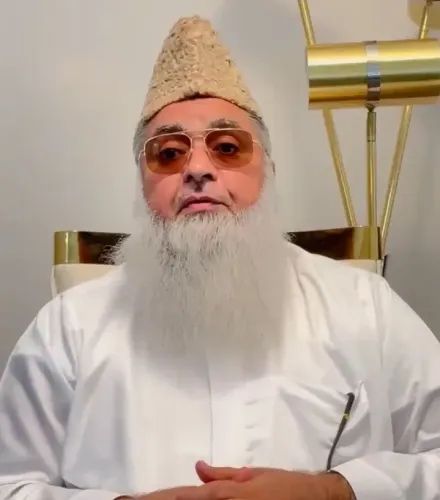
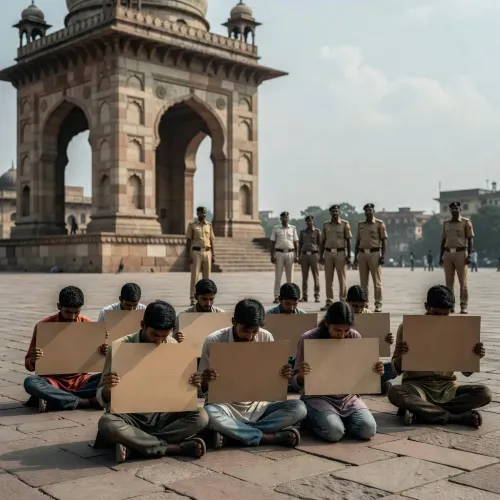
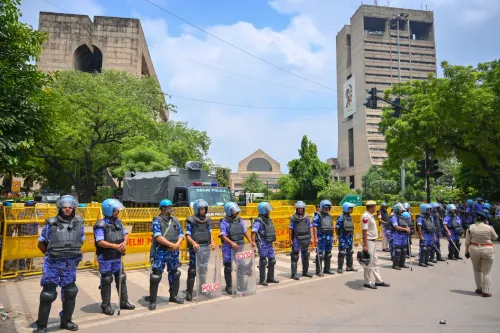
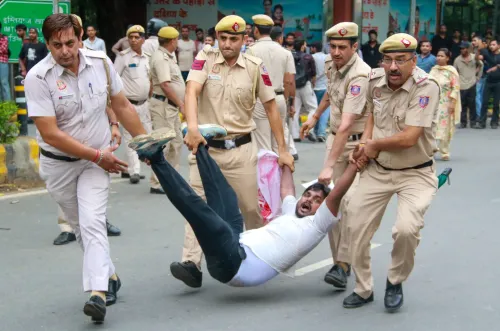
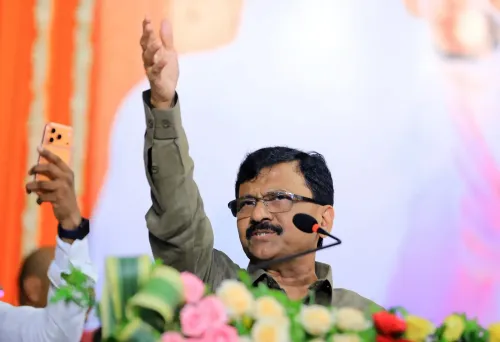
Former Indian football captain Bhaichung Bhutia on 4 August stated that while every citizen holds the constitutional right to protest and voice dissent, using abusive or inappropriate language — particularly against the Prime Minister — 'does not reflect well on an individual or the country as a whole.' His remarks come in the wake of videos from a Cockroach Janta Party (CJP) protest at Jantar Mantar, New Delhi, in which sections of demonstrators were seen shouting profane slogans targeting Prime Minister Narendra Modi.
What Bhaichung Said
'Regarding all issues in India, in any part of the country, everyone has the right to protest. Anyone can express their views and say what they want,' Bhutia said. 'However, using inappropriate language, especially targeting the Prime Minister, does not reflect well on an individual, society, or the country as a whole. While exercising the right to protest, respectful language should still be maintained.'
He also underscored a personal commitment to constructive engagement: 'My aim is to work with the Prime Minister and the government to engage youth in sports and provide them with as many opportunities as possible.'
Manu Bhaker's Earlier Appeal to Youth
Bhutia's statement follows a similar appeal by double Olympic medallist and pistol shooter Manu Bhaker, who had urged young people to be mindful of their language. 'The language we choose reflects our personality and the kind of person we are. Choose your words wisely, because over time, you become what you think, what you speak, and what you practice. Using bad language is not cool. Abusing is not cool,' Bhaker had said in a post on X (formerly Twitter).
Bhaker added: 'Let's keep the definition of cool simple: being hardworking, kind, respectful towards others and yourself, striving to be successful through honesty, and making your parents and your country proud.'
PM Modi's Response to the Jantar Mantar Incident
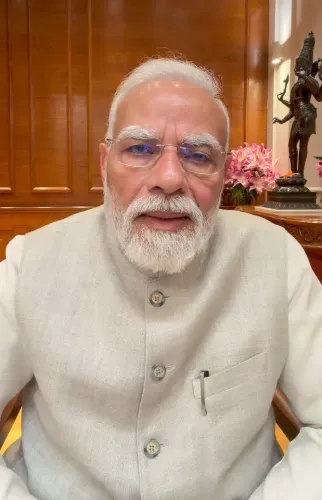
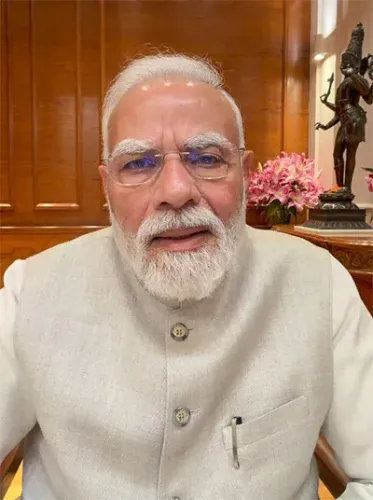
On Friday, Prime Minister Modi shared a video message on Instagram, saying he did not wish for the protesters to face punishment and hoped they would learn from their actions. 'Whatever happened at Jantar Mantar has been seen by the entire country and the world. Some misguided youngsters used extremely abusive language; words that do not befit any civilised society. They abused me, and they even abused my late mother,' Modi said.
The Prime Minister added: 'I don't know what kind of state of mind they were in, but today I want to say that mistakes happen in childhood and youth. And at that stage of life, people also have the opportunity to learn from their mistakes. That is what being young is about.'
Broader Context
The episode has sparked a wider national conversation about the boundaries of political protest in a democracy. Notably, voices from sport — traditionally considered apolitical — have stepped into the debate, lending it a cross-sectoral dimension. The incident is also the latest in a series of controversies involving the CJP and its public demonstrations. How political parties and civil society respond to the language question going forward could shape the terms of protest discourse in India ahead of upcoming electoral cycles.
Point of View
Which means their appeal for civil discourse may land where partisan messaging does not. However, critics could argue that conflating the right to protest with the tone of protest risks narrowing the space for dissent. The more pointed question — why demonstrators felt compelled to use such language in the first place — has been largely sidestepped in the public response. A democracy's health is measured not just by the civility of its protests, but by the conditions that produce them.
NationPress
4 Aug 2026
Frequently Asked Questions
What did Bhaichung Bhutia say about the Jantar Mantar protest?
Bhaichung Bhutia said every citizen has the constitutional right to protest, but using abusive or inappropriate language — especially against the Prime Minister — 'does not reflect well on an individual, society, or the country as a whole.' He called for respectful language even while exercising the right to dissent.
What happened at the CJP protest at Jantar Mantar?
Videos from a Cockroach Janta Party (CJP) protest at Jantar Mantar in New Delhi showed sections of demonstrators shouting profane slogans targeting Prime Minister Narendra Modi. The incident triggered widespread condemnation from public figures across sport and politics.
What did Manu Bhaker say about abusive language?
Double Olympic medallist Manu Bhaker urged young people on X (formerly Twitter) to choose their words wisely, saying 'using bad language is not cool' and that the language one uses reflects one's personality and character.
How did PM Modi respond to the Jantar Mantar protest?
PM Modi shared a video on Instagram saying he did not want the protesters to be punished and hoped they would learn from their mistakes. He noted that the protesters had used abusive language against him and even against his late mother, but framed the incident as a youthful error with room for correction.
Why is Bhaichung Bhutia's statement significant?
As a former Indian football captain and widely respected public figure, Bhutia's intervention carries weight beyond partisan politics. His statement — alongside Manu Bhaker's — signals that the controversy over protest language has drawn in voices from sport, broadening the national conversation about the limits and conduct of public dissent in India.