Houthis claim drone strike on Najran airport, cite Saudi airspace violations

Synopsis
Yemen's Houthis struck Najran airport with a drone on 4 August, framing it as direct retaliation for Saudi airspace violations — the latest in a string of escalating strikes since the group imposed a maritime ban on Saudi-linked Red Sea shipping on 20 July. With the Bab al-Mandab Strait now in play, the conflict is no longer just a regional war; it is a threat to global trade arteries.
Key Takeaways
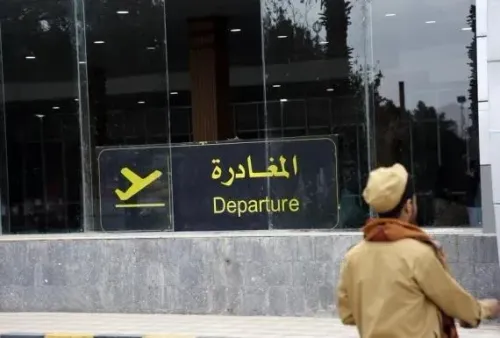
Yemen's Houthi group claimed a drone strike on Najran airport , southwestern Saudi Arabia , on 4 August .
Houthi spokesperson Yahya Sarea said the strike hit a 'sensitive asset' and was retaliation for alleged Saudi drone incursions over Saada and Hajjah .
Saudi authorities had not issued any immediate comment on the claims.
The Houthis announced a maritime ban on Saudi-linked Red Sea shipping on 20 July , triggering a cycle of mutual strikes.
The Bab al-Mandab Strait — a key global trade chokepoint — faces heightened security risk as hostilities intensify.
The Houthi-run HOCC denied reports of planned transit fees, saying its 'Safe Passage' service remains free.
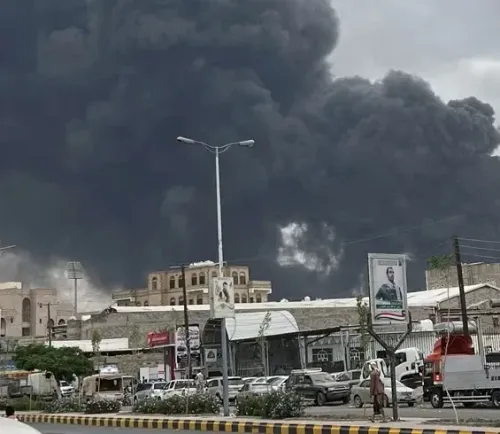
Yemen's Houthi group on Tuesday, 4 August claimed responsibility for a drone attack on Najran airport in southwestern Saudi Arabia, saying the strike was retaliation for alleged Saudi drone incursions into Yemeni airspace over the provinces of Saada and Hajjah. The claim marks a fresh escalation in a conflict that has grown significantly more volatile since late July.
What the Houthis Said
Houthi military spokesperson Yahya Sarea announced the attack in a post on social media platform X, stating that the group's armed forces had successfully targeted a 'sensitive asset of the Saudi enemy at Najran Airport using a drone, with the strike being precise.' Sarea further warned that 'any violation of our airspace will not go unpunished or without retaliation.' Saudi authorities had not issued any immediate comment on the Houthi claims, according to reports.
Background: A Rapidly Escalating Conflict
The drone strike follows a sharp deterioration in Houthi-Saudi relations over recent weeks. On 20 July, the Houthis announced a maritime ban on Saudi-linked shipping in the Red Sea, citing what they described as a Saudi blockade on Houthi-held areas. Since then, the group has claimed multiple missile and drone attacks on Saudi-linked vessels and energy sites, while the Saudi-led coalition has resumed airstrikes on what it described as key Houthi military targets inside Yemen.
Red Sea Security and the Bab al-Mandab Chokepoint
The renewed hostilities have intensified concerns over security in the Red Sea and the Bab al-Mandab Strait — a critical maritime chokepoint connecting the Gulf of Aden to the southern end of the Red Sea, and an indispensable artery for global energy shipments and trade moving to and from the Suez Canal. Disruptions at this passage carry significant consequences for international commerce, making the current escalation a concern well beyond the Arabian Peninsula.
Houthis Deny Transit Fee Reports
Separately, the Houthis on Saturday denied reports that they planned to impose fees on commercial vessels transiting the Bab al-Mandab Strait. The Houthi-run Humanitarian Operations Coordination Centre (HOCC) said in a press statement that no such decision had been made or was under consideration. The centre clarified that its 'Safe Passage' service — which offers vessels advance confirmation of safe transit through the Red Sea, Bab al-Mandab Strait, Gulf of Aden, and Arabian Sea — remains voluntary and free of charge for ships not covered by the group's declared maritime embargo.
What Comes Next
With the Saudi-led coalition and Houthi forces both escalating operations, the risk of a broader military confrontation is rising after years of relative calm. Analysts warn that continued strikes on critical infrastructure and shipping lanes could draw in additional regional actors and further destabilise one of the world's most strategically important waterways.
Point of View
Vessels, and now airport infrastructure. What is notable is the framing: by citing Saudi airspace violations, the Houthis are positioning each strike as a defensive response, complicating the international narrative around who is the aggressor. The Bab al-Mandab dimension is the most consequential element that mainstream coverage tends to underplay — any sustained disruption there does not just affect Saudi Arabia or Yemen, it affects global energy pricing and Suez Canal-dependent trade. The denial of transit fees, meanwhile, suggests the Houthis are managing their international image carefully even as they escalate militarily.
NationPress
4 Aug 2026
Frequently Asked Questions
What happened at Najran airport on 4 August?
Yemen's Houthi group claimed a drone strike on Najran airport in southwestern Saudi Arabia on 4 August, saying the attack hit a 'sensitive asset' with precision. The Houthis said the strike was retaliation for alleged Saudi drone incursions into Yemeni airspace over the provinces of Saada and Hajjah.
Why did the Houthis strike Najran airport?
The Houthis said the strike was a direct response to what they described as Saudi violations of Yemeni airspace using drones over Saada and Hajjah. Spokesperson Yahya Sarea warned that any further airspace violations would face retaliation.
How did Saudi Arabia respond to the Houthi claim?
Saudi authorities had not issued any immediate comment on the Houthi claims, according to reports. The Saudi-led coalition has, however, resumed airstrikes on what it describes as key Houthi military targets inside Yemen amid the broader escalation.
What is the significance of the Bab al-Mandab Strait in this conflict?
The Bab al-Mandab Strait is a critical maritime chokepoint connecting the Gulf of Aden to the Red Sea and serves as a vital artery for global energy shipments and trade routed through the Suez Canal. Houthi operations in and around this passage raise the risk of significant disruption to international commerce.
Did the Houthis plan to charge fees for Red Sea passage?
No. The Houthi-run Humanitarian Operations Coordination Centre denied reports of planned transit fees on Saturday, saying its 'Safe Passage' service — which offers advance safe-transit confirmation — remains voluntary and free for vessels not under the group's maritime embargo.