Yemen airstrikes hit Houthi sites as group claims Saudi energy facility attacks
Synopsis
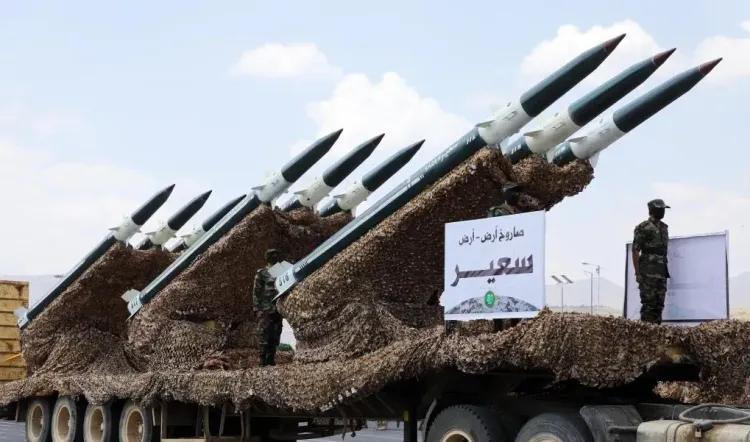
In one of the sharpest single-day escalations of the Yemen war in recent memory, airstrikes flattened Houthi missile platforms in Marib and al-Jawf while the group simultaneously claimed drone and missile hits on Saudi energy sites in Jizan and Yanbu — and President Trump threatened 'major military punishment' for Iran if attacks on Red Sea shipping continue.
Key Takeaways
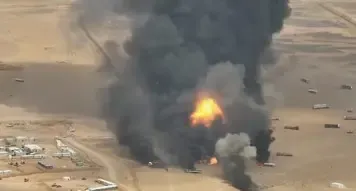
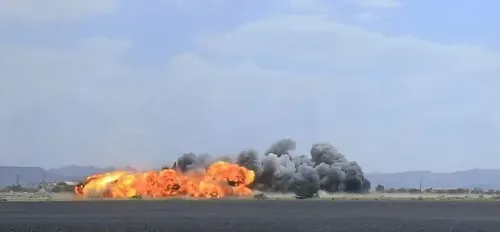
Airstrikes hit Houthi missile platforms and weapons depots in Marib and al-Jawf provinces on 25 July , killing several members including missile specialists, according to state-run Yemen TV.
The Houthi group claimed retaliatory missile and drone strikes on Saudi energy facilities in Jizan and Yanbu ; Saudi authorities did not immediately respond.
Houthi military spokesperson Yahya Sarea said both operations 'achieved their objectives' without providing evidence.
US President Donald Trump warned on Thursday of 'major military punishment' for Houthis and Iran if Red Sea shipping attacks persist.
The Houthis had announced a maritime ban on Saudi-linked shipping last week and claimed attacks on two Saudi oil tankers on Thursday.
Yemen's conflict dates to 2014 ; a UN-mediated truce expired in 2022 , with only a fragile de facto ceasefire holding since.
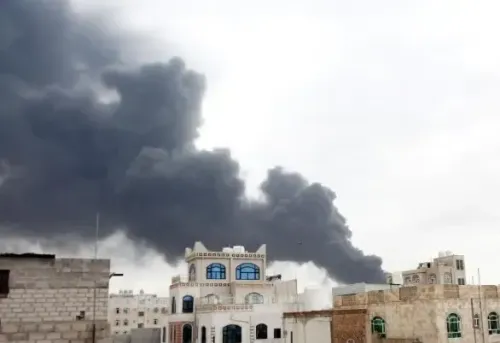
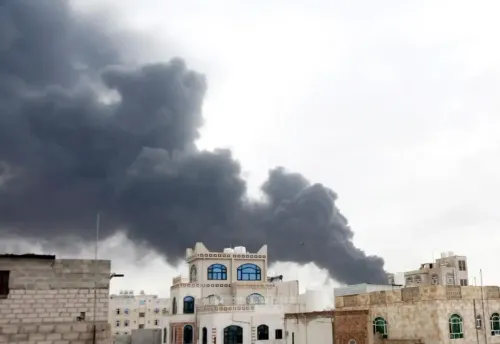
Airstrikes struck Houthi military installations across northern Yemen on Saturday, 25 July, according to state-run Yemen TV, as the conflict sharply escalated following the group's reported attacks on Saudi-linked vessels in the Red Sea. The strikes mark one of the most intense single-day exchanges in the Yemen war in recent months.
Targets and Reported Casualties
The strikes hit missile and rocket launch platforms as well as weapons depots in the provinces of Marib and al-Jawf, Yemen TV reported. Several Houthi members were killed, including missile specialists, according to the broadcaster. The Houthi group did not immediately issue a response to the strikes.
Houthi Counter-Claims on Saudi Energy Sites
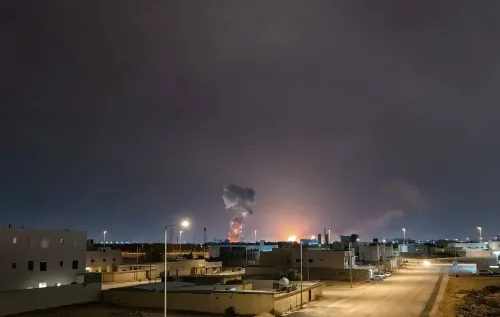
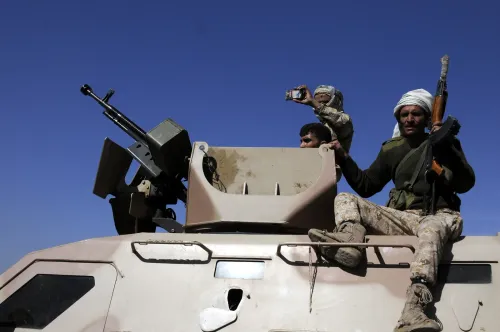
Also on Saturday, the Houthi group claimed it had launched coordinated missile and drone strikes against Saudi energy facilities in the Jizan and Yanbu regions — framing the operation as retaliation for overnight coalition airstrikes on Houthi-held areas in the Red Sea province of Hodeidah. Houthi military spokesperson Yahya Sarea, in a televised statement aired by Houthi-run Al-Masirah TV, claimed both operations 'achieved their objectives,' without providing supporting evidence. Saudi authorities had not responded at the time of reporting.
Friday Strikes and Civilian Impact
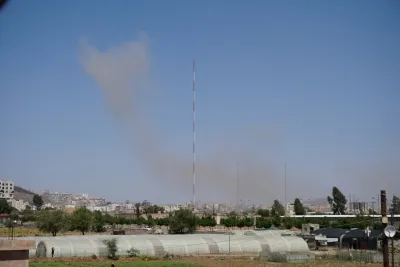
On Friday, the Saudi-led coalition said it struck Houthi military sites in Hodeidah while avoiding civilian infrastructure. However, Al-Masirah TV reported that the strikes hit multiple locations, including telecommunications facilities and Kamaran Island, where a woman was reportedly injured. The divergence in accounts reflects the persistent information gap that has characterised the Yemen conflict.
Trump Warning and US Position
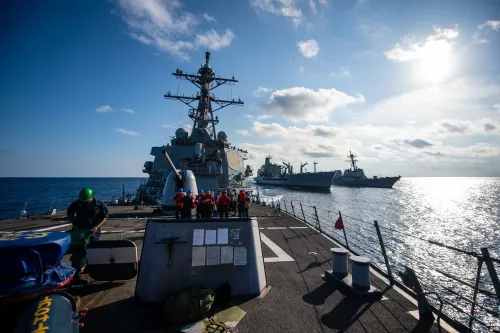
US President Donald Trump on Thursday warned that the Houthi group and Iran would face 'major military punishment' if Houthi attacks on ships continued. In a post on Truth Social, Trump said he was 'very disappointed' with the Houthis, accusing the group of 'shooting at two Saudi Arabian ships last night.' He added that the United States would hold Iran responsible if the attacks persisted. Iran has not commented on the warning.
Background and Regional Stakes
Yemen has been embroiled in conflict since late 2014, when the Houthis seized large swathes of northern Yemen, including the capital Sanaa, prompting a Saudi-led coalition to intervene in 2015 in support of the internationally recognised government. A UN-mediated truce expired in 2022, but a fragile de facto ceasefire had largely held until recent weeks. The Houthis announced a maritime ban on Saudi-linked shipping last week and claimed attacks on two Saudi oil tankers on Thursday. The latest escalation has raised renewed concerns over regional security and the safety of commercial traffic through the Red Sea — one of the world's most critical shipping lanes. With the US now threatening direct consequences and Saudi energy infrastructure reportedly targeted, the conflict risks drawing in wider regional actors.
Point of View
Which directly echoes the 2019 Aramco drone attacks that briefly shook global oil markets. Trump's Truth Social warning is pointed, but the US has issued similar cautions before without immediate follow-through, and the Houthis have historically treated such statements as negotiating inputs rather than deterrents. The more consequential variable is whether Saudi Arabia treats the Jizan and Yanbu claims as verified attacks requiring a formal military response, which would fundamentally alter the conflict's scope. Mainstream coverage is focused on the exchange of strikes; what it is underplaying is the maritime dimension — a sustained Houthi blockade of Saudi-linked shipping could force rerouting around the Cape of Good Hope, with direct consequences for Indian trade and energy imports through the Red Sea corridor.
NationPress
25 Oct 2026
Frequently Asked Questions
What happened in Yemen on 25 July 2025?
Airstrikes struck Houthi military sites — including missile launch platforms and weapons depots — in Yemen's Marib and al-Jawf provinces on 25 July, killing several Houthi members including missile specialists, according to state-run Yemen TV. On the same day, the Houthi group claimed retaliatory missile and drone strikes on Saudi energy facilities in Jizan and Yanbu.
What did Houthi spokesperson Yahya Sarea claim?
Houthi military spokesperson Yahya Sarea, in a televised statement on Al-Masirah TV, claimed that both the strikes on Saudi energy facilities and related operations 'achieved their objectives.' He did not provide evidence to support the claim.
Why did President Trump warn the Houthis and Iran?
US President Donald Trump warned on Thursday that the Houthis and Iran would face 'major military punishment' after accusing the group of attacking two Saudi Arabian ships. Trump said the United States would hold Iran responsible if Houthi attacks on Red Sea shipping continued.
How does this escalation fit into the broader Yemen conflict?
Yemen has been at war since 2014, when the Houthis seized northern Yemen including the capital Sanaa, prompting a Saudi-led coalition intervention in 2015. A UN-mediated truce expired in 2022, and a fragile de facto ceasefire had held until recent weeks, when the Houthis announced a maritime ban on Saudi-linked shipping and claimed attacks on Saudi oil tankers.
What is the significance of Red Sea shipping in this conflict?
The Red Sea is one of the world's most critical maritime corridors, carrying a significant share of global trade including Indian energy imports. Houthi attacks on Saudi-linked vessels and a declared maritime ban raise the risk of broader shipping disruptions, with potential consequences for global oil supply and regional trade routes.