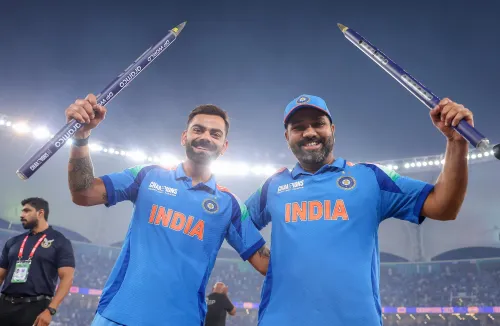
Should Rohit and Kohli Continue Playing if They Enjoy It?
Synopsis
In an insightful conversation, former wicketkeeper Syed Kirmani discusses whether veteran players like Rohit Sharma and Virat Kohli should continue playing cricket if they still enjoy it. He emphasizes the importance of their experience and the necessity for young players to learn from them, as the Indian cricket team gears up for the T20 World Cup.
Key Takeaways
Veteran players like Rohit and Kohli still hold significant value for the team.
Experience in domestic cricket is crucial for mentoring young talents.
The current Indian T20 World Cup squad is well-balanced.
Player performance and fitness are key for selection.
Fierce competition enhances the quality of cricket in India.
New Delhi, Jan 5 (NationPress) Few individuals possess the perspective that Syed Kirmani does. A champion from the 1983 World Cup during a time when Indian cricket was still establishing its identity, the former wicketkeeper has observed the sport’s transformation—from instinctual leadership to analytics-driven strategies, from cautious batting to bold aggression.
As a relatively youthful Indian squad gears up to defend their T20 World Cup title, Kirmani shared insights on the team’s composition, the pressures of knockout cricket, controversial selection choices, and the lasting importance of veteran players like Rohit Sharma and Virat Kohli.
In an exclusive conversation with IANS, Kirmani provided both comfort and contemplation on the current state of Indian cricket.
Excerpts:
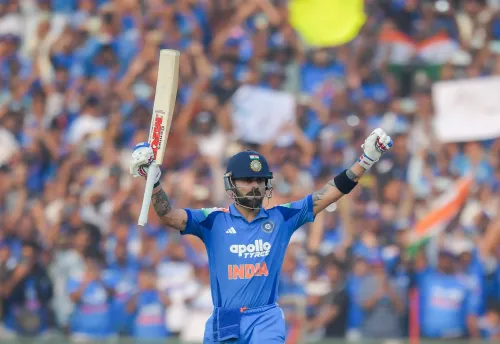
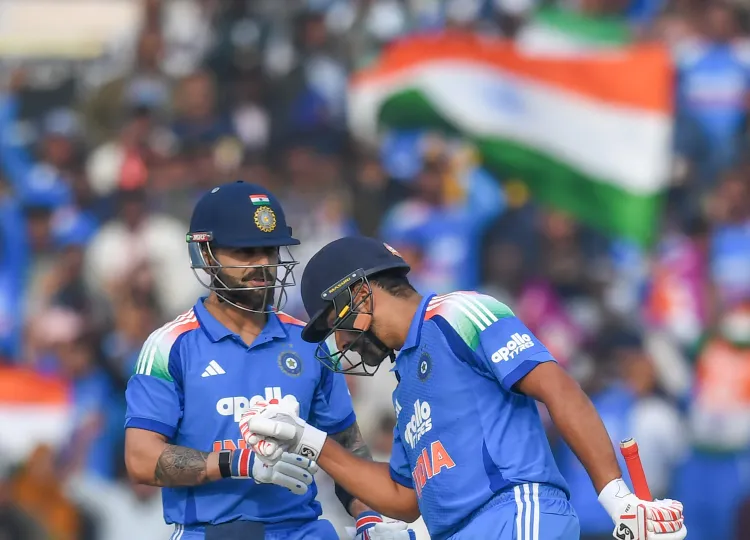
IANS: Both Rohit and Kohli have been in outstanding form in ODIs. They also excelled in the Vijay Hazare Trophy, scoring centuries for their teams. While this is certainly uplifting for them, should they continue playing in domestic competitions?
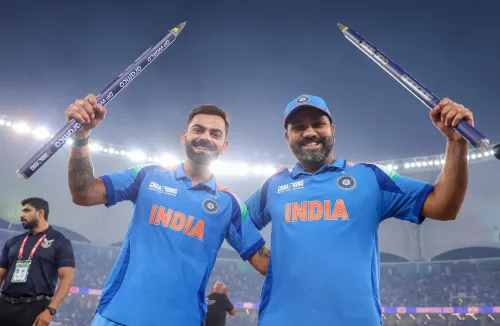
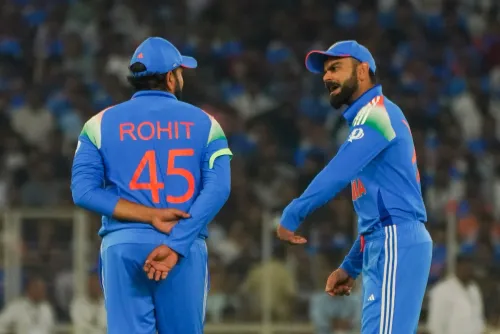
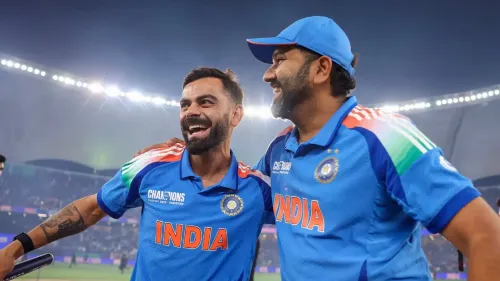
SK: Absolutely, they should continue if they find joy in the game. Detractors will always exist, pushing for new talent. Everyone seeks fresh players, so there’s no need for worry. Let them make their own choices. Their experience provides invaluable support to the team, and seasoned athletes are always essential. We shouldn’t discourage them.
It’s crucial to allow them to decide when to retire. Domestic cricket also aids young players aspiring to represent the national team. Experienced domestic players, whether in the Vijay Hazare or other tournaments, can mentor these budding cricketers.
As long as they contribute, let them play. Cricket is played extensively through various competitions. It’s up to the players to manage their fitness and conduct. They should focus on competitions where they can shine and secure selection. They also need to determine when to rest.
IANS: For significant tournaments like the World Cup, key players can be selected based on their form and fitness. Ultimately, their consistency and performance are paramount.
SK: The ODI World Cup is over a year away, and the duo primarily participates in ODIs and IPL. What would your advice be as they prepare for the World Cup with limited game time? Also, how crucial is it for veteran players like them to continue playing in ODIs—not only for performance but also for mentoring the next generation?
SK: They should play as long as they desire, whether in domestic cricket or other one-day formats. They’ve already retired from Test cricket, so their focus is mainly on ODIs, and they should be allowed to play as much as they wish. They are iconic players with remarkable records. They cannot be overlooked. As mentioned, the decision should be theirs—allow them to choose when to retire.
IANS: Both Rohit Sharma and Virat Kohli have delivered legendary performances in ODI World Cups. How do you believe their contributions in the World Cup shape their legacy in Indian cricket?
SK: They have set a stellar example for younger players to emulate. With impressive records, they inspire aspiring cricketers while still active. Young players should study their capabilities and the records they have established. Instead of merely aspiring to be like players A, B, C, or D, they should aim to surpass them. That should be their primary focus and guiding principle.
IANS: As someone who has witnessed Indian cricket evolve through generations, how do you evaluate the balance and mindset of India’s current T20 World Cup squad? Do you believe they are capable of defending the title?
SK: Indeed, cricket has transformed significantly from our era to now. The game's dynamics and players’ mindsets have evolved substantially. There’s been increased aggression both on and off the field, and technology now plays a much larger role than it did in our time. Back then, we lacked coaches or support staff. We did win the World Cup, after all, so adaptation is key.
New concepts, innovations, and systems are vital for progress. In that regard, I believe the current T20 team selected for the World Cup is exceptionally well balanced. The captain often garners the spotlight when the team triumphs, but it’s genuinely a team effort. Acknowledgment goes to the captain, the coach, and the entire squad, as all contribute to the success. It’s the collective effort that shapes the overall outcome.
The team possesses a robust batting lineup and three or four all-rounders. In limited-overs cricket, having more all-rounders is essential, as any of them could be pivotal to success. Thus, it’s a very balanced squad, and a commendable effort by the Indian team.
Regarding players who haven’t been selected, there’s an incredible talent pool in our country, so much so that we could form four Indian teams, if you ask me. Everyone is vying for a spot, and if you don’t perform in a couple of innings, someone else gets the opportunity. This fierce competition within our country is a positive sign.
There’s no doubt—you need immediate replacements, whether it’s an all-rounder, a bowler, a spinner, a batsman, or a captain, they are available. Currently, there are two or three captains in the team alongside Surya Kumar Yadav. I commend the selection committee for their efforts because they faced tough competition in choosing players. They’ve done a remarkable job in selecting the teams for the World Cup and the series against New Zealand.
IANS: What do you view as the biggest strength of this Indian T20 side and what could potentially hurt them in high-pressure knockout matches?
SK: It’s essential to understand your own capabilities and strengths to lead the team through a crisis. Knowing how to fight and uplift the team during challenging times is critical. A player should be selected, ideally at number 7 or 8, who can manage pressure and assist the team in times of trouble. Identifying such a player is now crucial.
I find it challenging to discuss myself, but I began as a stroke player. As I advanced to a higher level, I was often brought in during crises, and I could manage that pressure. It’s vital for a team to have one or two such players, and I believe they are present. Yes, they are.
Many players can withstand pressure, but our main strength lies in our batting. Our batting is effectively supported by our spinners and medium pacers. They perform admirably at various stages of the game, and then our spinners come in, which is crucial. This balance makes our team very strong and well-rounded.
IANS: Many claim that India is too conservative in ICC tournaments. Does this squad embody a more fearless T20 approach, now that we have transitioned towards the younger generation, or do we remain cautious by nature?
SK: Criticism will always exist, even when we’re performing well, as it cannot be controlled. However, we are not conservative; we are much more advanced and evolving with the times. Based on this, we are doing an excellent job. We’ve navigated crises multiple times. As I mentioned, the team was struggling but rebounded after losing the first two matches and leveling the series. These thrilling uncertainties make cricket such a remarkable sport. So yes, this squad does reflect a fearless approach.
IANS: There were many discussions about the management not selecting Shubman Gill for the World Cup. Given that he captained the ODI and Test teams, and was also the vice-captain of the T20I side in the recent home series against South Africa, is this the right decision?
SK: Shubman Gill has been out of form recently. Even with his previous achievements, such as his outstanding performance in England 2024-25, where he set records as both captain and opening batsman, he was overlooked due to his slump. It’s essential to acknowledge that all athletes, even the greatest, face ups and downs. Bad form is a regular part of every athlete’s journey, regardless of their consistency or greatness.
You cannot ignore it when he is struggling. So, that was somewhat disappointing, indeed. There may be personal reasons behind Shubman Gill’s unavailability, which he could have communicated. However, clarity is necessary when a player is not selected or dropped. There’s a distinction between not being chosen and being dropped, and reasons—such as personal issues—should be communicated, similar to how foreign players or the selection committee relay information.
Given such great form, suddenly falling into poor performance requires resilience. One must endure and overlook these fluctuations without sidelining a player who performed exceptionally in previous matches.
Correct? His excellent form, particularly the iconic innings in England against England, should not be disregarded. As poor form occurs, it doesn’t necessarily mean the player should be removed from the team. Therefore, if he was dropped due to his form, it shouldn’t be perceived as the right decision.
IANS: Rishabh Pant was also not included for the T20 World Cup and has been somewhat inconsistent in the international arena recently. He played in the Vijay Hazare Trophy and is now part of the ODI squad. Do you believe this is due to the player’s approach or a tactical decision by the selectors?
SK: He has immense potential and talent, no doubt about it. But simultaneously, there is fierce competition for him. There are four or five wicketkeepers, and their performances cannot be overlooked either. He has also been inconsistent in fulfilling the team’s requirements. This doesn’t mean he should be completely sidelined. Whenever he is in good form, he can be brought back into the fold.
Point of View
It’s crucial to recognize the balance between experience and youth in sports. The perspective shared by Syed Kirmani highlights the importance of veteran players like Rohit Sharma and Virat Kohli in the current Indian cricket setup. Their contributions can offer significant guidance to aspiring cricketers, fostering a healthy environment for growth in the sport.
NationPress
25 Sept 2026
Frequently Asked Questions
What is Syed Kirmani's view on Rohit Sharma and Virat Kohli's participation in domestic cricket?
Syed Kirmani believes that Rohit Sharma and Virat Kohli should continue playing if they enjoy it, as their experience is invaluable to the team and young players.
How important is the experience of senior players in the Indian cricket team?
Senior players like Rohit and Kohli provide essential support and mentorship to young players aspiring for the national team, enhancing team dynamics.
What is the current state of the Indian T20 World Cup squad according to Kirmani?
Kirmani views the current T20 squad as well-balanced and capable of defending their title, acknowledging the blend of experience and young talent.
What factors influence player selection for major tournaments?
Player selection for major tournaments is primarily based on form, fitness, and the ability to handle pressure, as per Kirmani's insights.
How does Kirmani assess the competition among players in the Indian cricket setup?
Kirmani points out a fierce competition among players, indicating a deep talent pool in India, making selection challenging yet positive for the sport.