Holger Rune withdraws from Hamburg, Roland-Garros; delays comeback
Synopsis
Holger Rune is playing the long game. The Danish star's withdrawal from clay-court tournaments signals a measured approach to his return — prioritising full fitness over a rushed comeback. With his ranking set to plummet from No. 43 to No. 60, Rune is betting that grass-court preparation will restore both his body and his competitive edge.
Key Takeaways
Holger Rune , former world No.
4 , has withdrawn from the Hamburg Open and Roland-Garros .
The 22-year-old Dane suffered a complete Achilles tendon rupture in October 2024 at the Stockholm Open .
Rune held a 36-22 win-loss record in 2025 before the injury forced his withdrawal.
His ranking is projected to fall from No.
60 after Roland-Garros.
He aims to return for the grass-court season , targeting full fitness before his competitive debut.
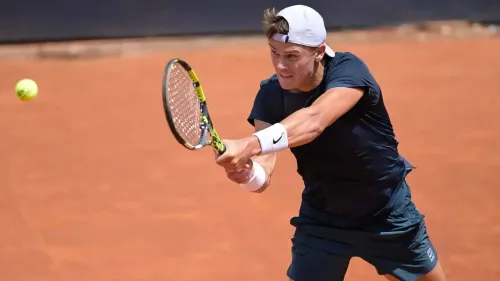
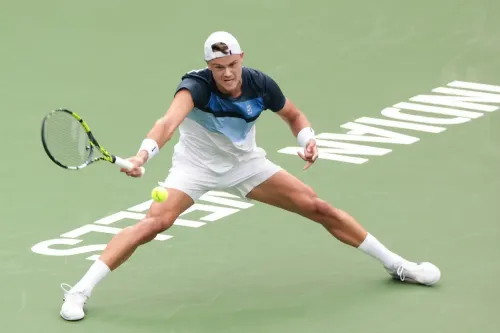
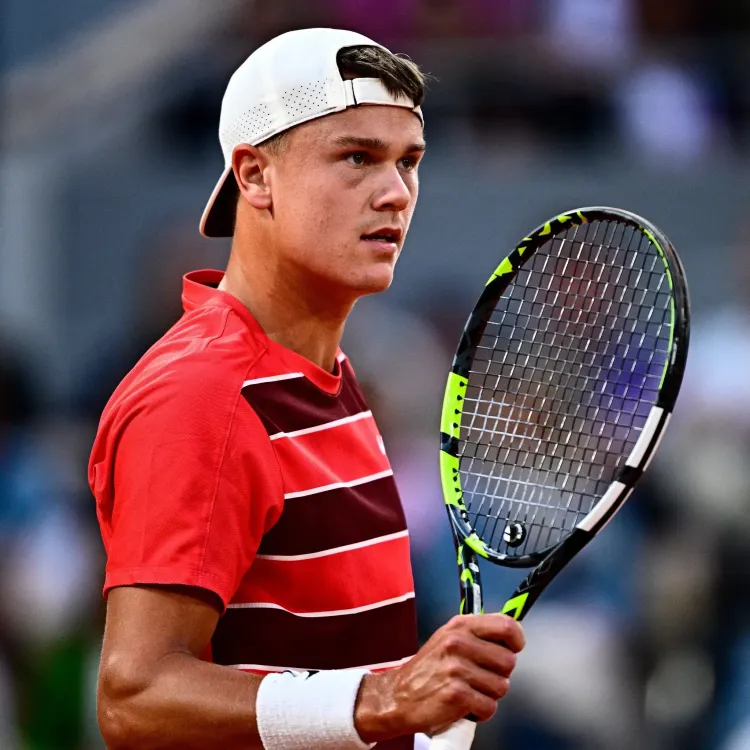
Holger Rune, the former world No. 4, has withdrawn from both the Hamburg Open and Roland-Garros, postponing his long-awaited return to competitive tennis following a complete Achilles tendon rupture sustained in October 2024 at the Stockholm Open. The 22-year-old Danish player, who had signalled a comeback bid at the Hamburg event in May, now targets the grass-court season instead.
The injury setback
Rune suffered the career-threatening injury during the ATP tournament in Stockholm, requiring surgery and months of intensive rehabilitation. Prior to the injury, he had compiled a 36-22 win-loss record in 2025 according to ATP data. The rupture forced him to abandon his competitive schedule and focus entirely on recovery.
Rune's statement on the withdrawal
In a statement, Rune said, "I was really looking forward to making my return in Hamburg, and you all know how much I love clay and how special Paris and Roland-Garros have always been for me." He added, "So this decision wasn't easy to make. But for me, it's not just about being able to play a few matches; it's about being ready for a whole tournament. I don't want to come back feeling almost ready, but 110% ready when I step back onto the court. I'm looking forward to returning for the grass-court season."
Social media confirmation
Rune later posted on social media platform X, "Tough decision not to play the clay season, but the right one. Can't wait to see you all on the grass. Thank you to everyone for your love and support throughout my rehab. See you in not too long."
Ranking implications
The withdrawal will cost Rune significant ranking points. Currently ranked around No. 43 after losing points earned in Rome last year, he is projected to drop approximately 200 positions further and fall to around No. 60 following the French Open. His withdrawal opens a spot in the Roland-Garros main draw for Benjamin Bonzi.
What's next
Rune's focus now shifts to the grass-court season, where he hopes to make his competitive return fully fit. The decision reflects a cautious approach to rehabilitation, prioritising long-term fitness over a premature comeback.
Point of View
He is signalling that competitive readiness trumps calendar urgency. The grass courts offer a softer landing and a realistic window for a phased return. Whether his body holds up under match stress remains the real question.
NationPress
26 Sept 2026
Frequently Asked Questions
Why did Holger Rune withdraw from Hamburg and Roland-Garros?
Rune withdrew to allow more time for rehabilitation following his complete Achilles tendon rupture in October 2024. He stated he wants to return 110% fit for a full tournament, not just a few matches, and has shifted his comeback target to the grass-court season.
When did Rune suffer his injury?
Rune suffered a complete Achilles tendon rupture during the ATP tournament in Stockholm in October 2024. The injury required surgery followed by several months of rehabilitation.
How will the withdrawal affect Rune's ranking?
Rune is currently ranked around No. 43 after losing points from Rome last year. His withdrawal will cost him approximately 200 ranking positions, projecting him to fall to around No. 60 after Roland-Garros.
When does Rune plan to return to competitive tennis?
Rune has not announced a specific return date but has indicated he will target the grass-court season for his comeback, prioritising full fitness over a premature return to clay courts.