Bizarre Run-Out: Salman Agha's Controversial Dismissal in 2nd ODI vs Bangladesh
Synopsis
In a rare turn of events, Pakistan's Salman Agha faced a controversial run-out during the second ODI against Bangladesh, leading to a heated exchange on the field. This incident not only raised eyebrows but also impacted the match's outcome as Pakistan struggled to stay competitive in the series.
Key Takeaways
Salman Agha's dismissal raised questions about player awareness.
The incident sparked debate among cricket fans and players.
Pakistan's batting lineup struggled post-dismissal.
Maaz Sadaqat emerged as the top scorer.
This match was crucial for Pakistan's chances in the series.
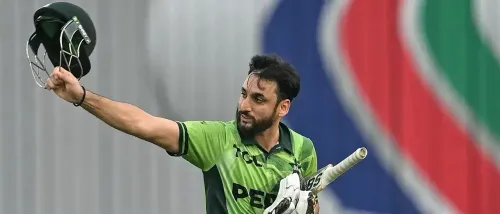
Dhaka, March 13 (NationPress) In a surprising turn of events, Pakistan's batter Salman Ali Agha experienced a unique and contentious dismissal during the second ODI against Bangladesh, held at the Sher-e-Bangla National Cricket Stadium in Dhaka on Friday.
The incident unfolded during the 39th over of Pakistan’s innings while the team was forging a robust partnership. Agha and Mohammad Rizwan had successfully built a 109-run stand for the fourth wicket after Pakistan faced an early setback with three wickets down.
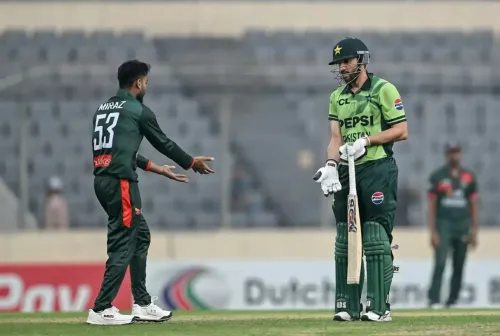
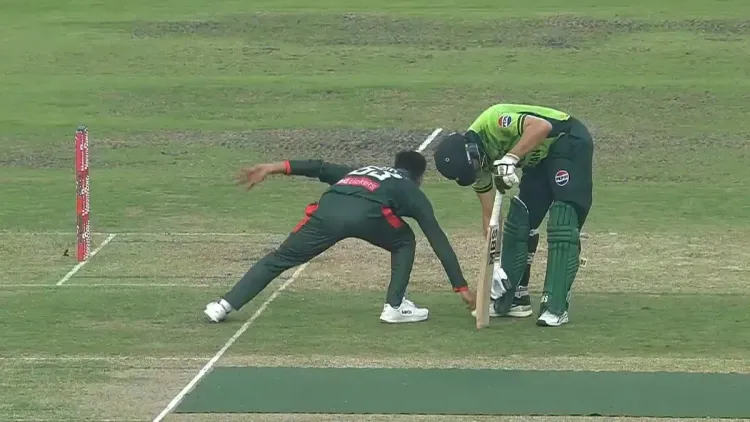
On the fourth delivery of the over, bowled by Mehidy Hasan Miraz, Rizwan executed a gentle push down the pitch. The ball gradually approached Agha, who was positioned outside his crease at the non-striker’s end after backing up.
Upon contact with his pads, Agha bent down to retrieve the ball and returned it promptly. In a swift move, Miraz seized the ball and broke the stumps while Agha remained out of his crease, resulting in an appeal for a run-out.
The on-field umpire upheld the appeal, which was then referred to the third umpire, who also ruled in favor of Bangladesh, confirming Agha’s dismissal.
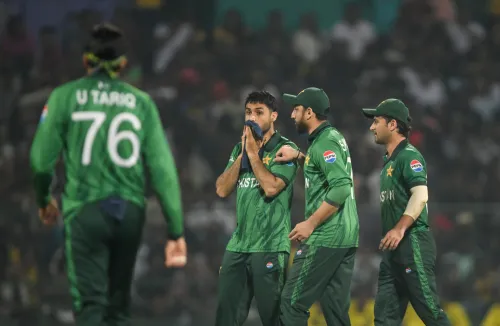
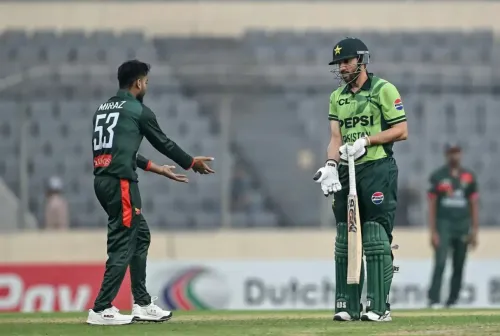
This decision visibly frustrated Agha as he made his way back to the pavilion, with visuals capturing his displeasure following the incident.
The unusual run-out sparked brief exchanges among players from both sides. Rizwan was seen conversing with the Bangladesh team, while Litton Das defended Miraz's appeal.
This rare dismissal quickly became the focal point of the match, drawing attention to the circumstances surrounding it. Many fans took to X to express their support for Agha, while others criticized Pakistan's T20I captain for failing to return to his crease.
Following Agha's dismissal, Pakistan's batting lineup collapsed, finishing at 274 runs in 47.3 overs, with Maaz Sadaqat leading the score with 75 runs. Having lost the first match of the series, this match was crucial for Pakistan to stay competitive.
Point of View
The incident involving Salman Agha highlights the fine line between rule enforcement and sportsmanship in cricket. This run-out, while technically correct, raises questions about player awareness and the spirit of the game, making it a pivotal moment in the ongoing series.
NationPress
3 Oct 2026
Frequently Asked Questions
What happened to Salman Agha during the second ODI?
Salman Agha was controversially run out after picking up the ball outside his crease, leading to a decision that sparked debate among players and fans.
How did Agha's dismissal impact the match?
Following Agha's dismissal, Pakistan's batting order faltered, resulting in them being bowled out for 274 runs, making it a crucial match for their chances in the series.
What was the reaction from players after the incident?
The dismissal caused visible frustration for Agha, and there were brief exchanges between players from both teams, indicating the tension surrounding the incident.
Who was the top scorer for Pakistan in the match?
Maaz Sadaqat was the top scorer for Pakistan, contributing 75 runs to the total.
What was the significance of this match for Pakistan?
This match was critical for Pakistan, as they had already lost the first game of the series and needed a win to stay competitive.