Rugby Premier League women's debut: Chennai Bulls' Sandhya Rai wants to inspire rural girls
Synopsis
From nearly quitting a contact sport she feared to becoming one of Asia's top rugby ambassadors, Sandhya Rai's story is the RPL's most compelling argument for its new women's competition. She says friends still ask if she owns a bungalow — and that gap between public perception and player reality is exactly what the league needs to close.
Key Takeaways
Sandhya Rai of Chennai Bulls grew up near a tea garden in West Bengal and is a former captain of India's Under-18 women's rugby side and former vice-captain of the senior national team.
The Rugby Premier League , founded in 2024 by Rugby India and spearheaded by Rahul Bose , is the world's first franchise-based rugby sevens league.
The 2026 RPL season introduces a women's competition for the first time, featuring four teams .
Rai highlighted that many talented women players from her village quit due to injury, lack of financial support, and family pressure to marry early.
She named former India captain and current team physio Vahbiz Bharucha as her biggest inspiration.
Rai hopes the RPL's national broadcast reach will replicate for women's rugby the inspirational effect women's cricket had on a generation of young athletes.
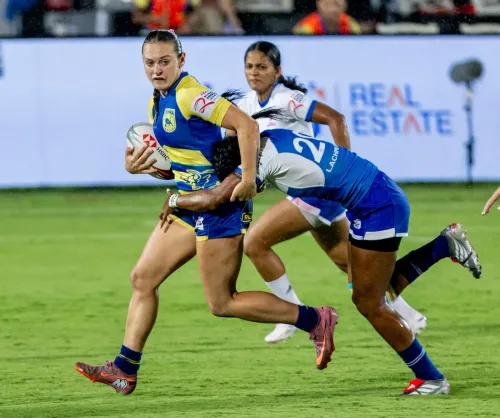
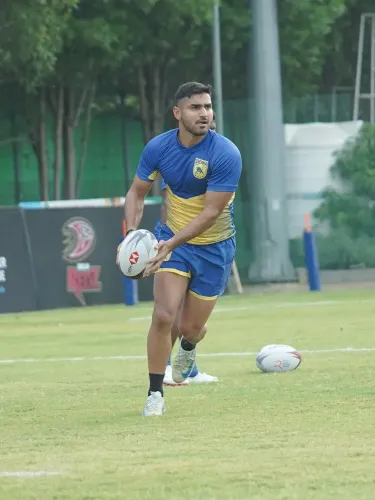
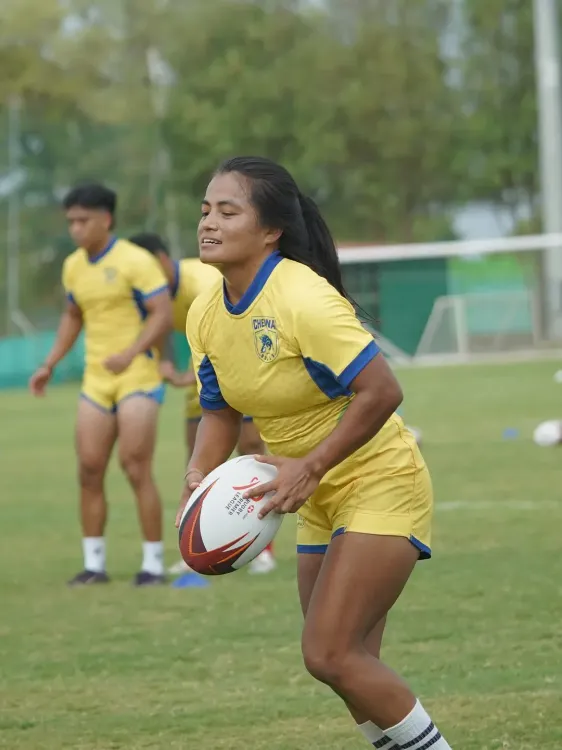
Sandhya Rai, a former captain of India's Under-18 women's rugby side and one of the country's most recognised players, hopes the debut women's edition of the Rugby Premier League (RPL) will open doors for young girls from villages and small towns who have never seen a clear pathway into the sport. Rai, who represents Chennai Bulls and grew up near a tea garden in West Bengal, shared her journey ahead of the RPL's second season, which will for the first time feature a women's tournament with four teams.
What the Rugby Premier League Is
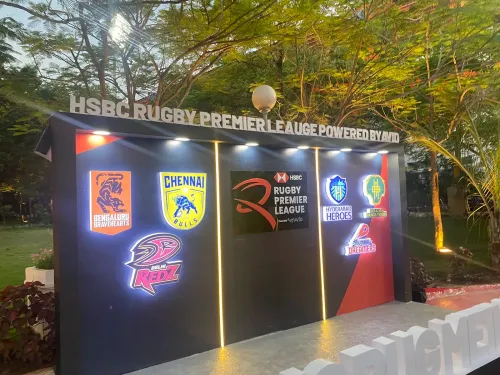
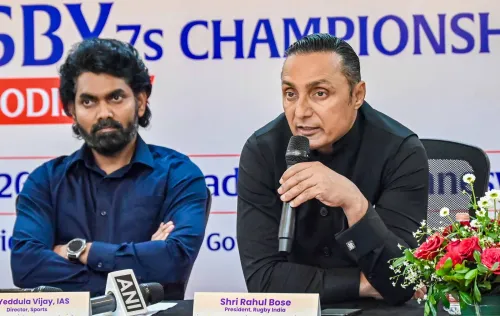
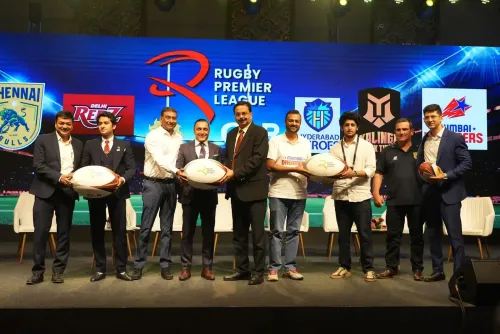
The Rugby Premier League, an initiative of Rugby India spearheaded by Rahul Bose, is billed as the world's first franchise-based rugby sevens league. Founded in 2024 to accelerate the growth of rugby sevens in India, the competition made its debut in 2025 with six city-based men's teams. The 2026 edition marks a landmark expansion with the addition of a women's competition — a development Rai describes as historic for the sport in the country.
The Financial Reality Behind the Spotlight
Despite her achievements on the field, Rai was candid about the gap between public perception and the financial realities faced by women rugby players in India. 'I feel… we have come from a village; we are playing well, and you must have seen us on social media. There are a lot of articles about how well we have done. But even in West Bengal, we are not that supportive. So, if I'm playing so well or doing so well, I feel like I don't yet have enough financial support,' she said.
She noted that friends outside the sport assume success on the field translates into material comfort. 'Non-rugby players, my friends from the game, tell me that you play so well, you must have a car, a bungalow, everything. But they don't know that we haven't reached that level yet,' she added.
Injuries, Early Marriages and Lost Careers
Rai identified the absence of robust support systems — financial, medical, and emotional — as the single biggest barrier keeping talented women away from the sport. 'In my village, many girls play rugby. And a lot of them have left rugby because of a lack of support. When a player has an injury, if she doesn't get mental support, if she can't get rehab, if she is not strong, then a lot of players give up,' she said.
Several players who once inspired Rai herself were forced out of the sport prematurely. 'I have friends who got married at an early age. They used to play very well, but because their parents didn't support them and our government didn't support rugby, fame, or money — so, they gave up,' she recalled. She noted that some of those players were better than her at the time she started, and might have been her RPL teammates today had circumstances been different.
Family Support and the Turning Point
Rai credited her own family's backing as the reason she stayed in rugby through periods of self-doubt. She admitted she nearly quit because of the physical demands of a contact sport. 'To tell you the truth, at one point I stopped playing rugby. I didn't enjoy it because it was a contact game, and I used to get scared,' she said.
It was an international tour — secured through her club selection — that shifted her perspective entirely. 'When I went abroad, I became more interested in rugby after the tour. You can go abroad by playing rugby. You get jerseys. We get to travel! So when I got all this, I became more interested. After that, I couldn't leave it,' she said.
Recognition and the Road Ahead
A former vice-captain of the senior India women's national team, Rai has been shortlisted among Asia's top rugby players and featured as one of the continent's 'Unstoppable' rugby ambassadors. She was careful to attribute that recognition to her teammates rather than herself alone. 'The title of "unstoppable" that I won, I don't want to take it all alone. I want to give it to the whole team. Because of them, I was able to do it,' she said.
Her biggest inspiration, she noted, is former India captain and current team physio Vahbiz Bharucha. 'Whether she won or lost, I learned a lot from her. Even now, she is our physio, and I follow her a lot. The way she is disciplined and the way she lives in her mind are an idol to me,' Rai said.
With the women's RPL set to be broadcast nationally, Rai sees the tournament as women's rugby's equivalent of the moment women's cricket captured the country's imagination. 'RPL is something we'll see everywhere. We'll see it on TV. We'll see it in my village. The kids will see us. So I want them to see us and get inspired,' she said. As the league prepares to tip off its historic women's edition, all eyes will be on whether the visibility it generates translates into the grassroots surge Rai is hoping for.
Point of View
But visibility alone will not fix the injury-rehab gap or the family-pressure dropout rate that Rai describes. The league needs welfare provisions — not just broadcast deals — if it wants to convert inspiration into retention. Women's cricket took a decade of investment beyond televised matches before its grassroots numbers moved; women's rugby cannot afford to assume the camera alone will do the work.
NationPress
27 Sept 2026
Frequently Asked Questions
Who is Sandhya Rai and why is she significant for Indian women's rugby?
Sandhya Rai is a former captain of India's Under-18 women's rugby team and former vice-captain of the senior national side, representing Chennai Bulls in the Rugby Premier League. She was shortlisted among Asia's top rugby players and named one of the continent's 'Unstoppable' rugby ambassadors, making her one of the most recognised faces in Indian women's rugby.
What is the Rugby Premier League and when does the women's edition start?
The Rugby Premier League is the world's first franchise-based rugby sevens league, founded in 2024 under Rugby India and spearheaded by Rahul Bose. It debuted in 2025 with six men's teams; the 2026 season adds a women's competition featuring four teams for the first time.
What challenges do women rugby players in India face according to Sandhya Rai?
Rai highlighted a lack of financial support, inadequate injury rehabilitation, and family pressure as the main barriers. She said many talented players from her village in West Bengal quit the sport after injuries with no rehab support, or were pressured into early marriages when parents saw no financial future in rugby.
Why does Sandhya Rai believe the RPL women's tournament can be a game-changer?
Rai believes the national broadcast reach of the RPL will let young girls in villages see women playing rugby on television for the first time, creating the kind of aspirational visibility that women's cricket provided to a previous generation. She hopes it will show girls from small towns that a professional rugby career is a realistic path.
Who is Vahbiz Bharucha and what role does she play in Sandhya Rai's career?
Vahbiz Bharucha is a former India women's rugby captain who now serves as the team's physio. Rai named her as her biggest inspiration, citing Bharucha's on-field leadership, discipline, and mental fortitude as qualities she continues to model her own approach on.