Uttarakhand CM Office Plans New Trek to Triyuginarayan Temple
Synopsis
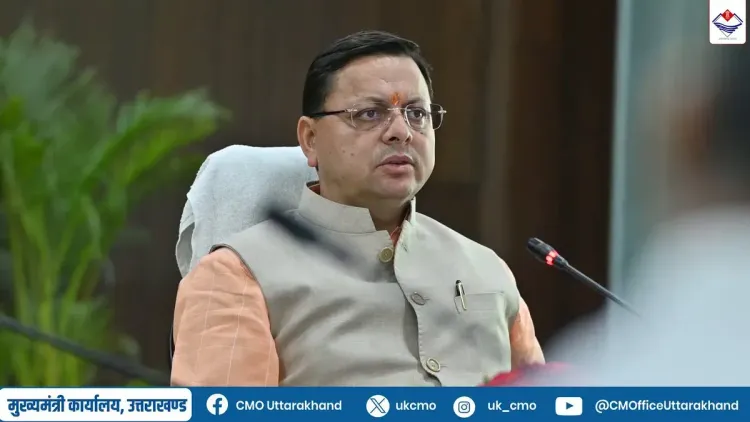
Uttarakhand's Chief Minister's Office has announced a new high-altitude trek in Rudraprayag district connecting Kelbagi, Pawali Kantha, Matia Bugyal and Triyuginarayan Temple, aiming to boost tourism while protecting local culture and alpine ecology.
Key Takeaways
The Chief Minister's Office of Uttarakhand announced a new trek in Rudraprayag district on November 11, 2026 .
The route runs from Kelbagi through Pawali Kantha and Matia Bugyal to Triyuginarayan Temple .
Triyuginarayan Temple is an ancient shrine traditionally associated with the marriage of Shiva and Parvati.
The initiative explicitly aims to preserve local culture and the natural landscape alongside tourism promotion.
Uttarakhand has expanded trekking circuits since 2000 to distribute tourist footfall beyond the Kedarnath corridor.
Environmental clearance and tendering are the next critical steps before construction can begin.
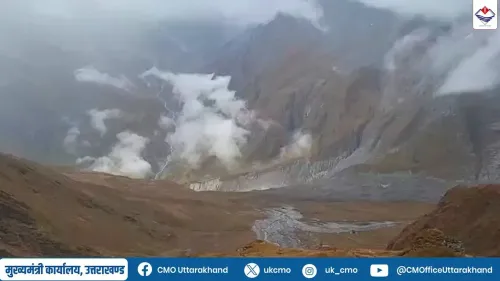
A remote Himalayan trail linking ancient faith and high-altitude wilderness is now on Uttarakhand's trekking map. The Chief Minister's Office of Uttarakhand announced on Wednesday, November 11, 2026, an initiative to develop a new trek route in Rudraprayag district — running from Kelbagi through Pawali Kantha and Matia Bugyal all the way to the celebrated Triyuginarayan Temple, with an explicit commitment to preserve local culture and the natural landscape alongside the tourism push.
From Alpine Meadow to Sacred Shrine
The proposed route threads together some of the Garhwal Himalaya's most distinctive terrain. Pawali Kantha and Matia Bugyal are high-altitude meadows — bugyals — that bloom with wildflowers in season and offer sweeping views of snow peaks. At the trail's end sits Triyuginarayan Temple, an ancient shrine traditionally venerated as the site of the celestial wedding of Shiva and Parvati, its eternal flame said to have burned since that mythological union. Linking these two landscapes — wilderness and worship — in a single trekking corridor is the heart of the government's vision.
The CMO stated the initiative aims to 'promote tourism while preserving local culture and the natural character' of the region — a formulation that signals awareness of the ecological sensitivity of bugyal terrain, which conservationists have long flagged as vulnerable to unregulated footfall.
Rudraprayag's Bigger Tourism Picture
Rudraprayag district already anchors one of India's most heavily trafficked pilgrimage corridors — the Kedarnath yatra draws hundreds of thousands of devotees each season. That very success has concentrated pressure on a handful of routes. Uttarakhand governments have, since the state's formation in 2000, incrementally built out trekking circuits in lesser-known valleys precisely to disperse visitor load, support rural homestay economies, and reduce strain on the flagship routes. The Kelbagi–Triyuginarayan corridor fits squarely in that pattern.
Local residents — particularly in villages along the proposed alignment — stand to gain from porter work, guide licences, and hospitality demand that a formalised trek route typically generates. The surrounding forests and bugyal ecology, however, will require careful management; any trail development in this zone will need to navigate environmental clearance processes before ground is broken.
What Needs to Happen Next
The announcement marks the start of the initiative, not its completion. The route's precise alignment, construction budget, and implementation timeline have not been publicly detailed. The environmental clearance process and tendering schedule for the Kelbagi–Pawali Kantha–Matia Bugyal–Triyuginarayan corridor will be the milestones that determine whether this vision moves from policy to path.
Uttarakhand has a track record of expanding its trekking portfolio — but converting a CMO announcement into a trail that is safe, ecologically sound, and genuinely accessible to independent trekkers demands follow-through on each of those steps. The state's credibility with the adventure-tourism community will rest on exactly that.
An ancient temple, an untouched bugyal, and a government greenlight — the trail just needs to be built.
Point of View
However, is execution — Uttarakhand has announced several trekking corridors over the years where clearance bottlenecks and funding gaps delayed or diluted delivery. How quickly the CMO's office moves this from announcement to tendering will signal how serious the commitment actually is.
NationPress
11 Nov 2026
Frequently Asked Questions
Where is Triyuginarayan Temple located?
Triyuginarayan Temple is located in Rudraprayag district , Uttarakhand, in the Garhwal Himalayan region. It is traditionally venerated as the site of the mythological wedding of Shiva and Parvati.
What is the new trek route announced in Uttarakhand?
The proposed trek runs from Kelbagi through Pawali Kantha and Matia Bugyal to Triyuginarayan Temple in Rudraprayag district, as announced by the Uttarakhand Chief Minister's Office on November 11, 2026.
What is a bugyal in the Himalayas?
A bugyal is a high-altitude alpine meadow found in the Garhwal and Kumaon regions of Uttarakhand. Matia Bugyal and Pawali Kantha are examples that form part of the newly proposed trekking corridor.
Why is Uttarakhand developing new trekking routes?
Uttarakhand has been building trekking circuits in lesser-known valleys since state formation in 2000 to distribute tourist footfall, reduce pressure on routes like Kedarnath, and support rural economies through guide and homestay opportunities.
Is the Kelbagi to Triyuginarayan trek open yet?
No. As of November 2026, the route has only been announced as an initiative. Environmental clearances and tendering processes must be completed before the trail is developed and opened to trekkers.