CM Dhami: ₹235 Cr Ganga Corridor to Transform Haridwar, Rishikesh

Synopsis
Uttarakhand CM Pushkar Singh Dhami announces a ₹235 crore-plus Ganga Corridor Project underway in Haridwar and Rishikesh to redevelop ghats, strengthen religious heritage, and expand tourism infrastructure along the river.
Key Takeaways
A ₹235 crore-plus Ganga Corridor Project is under active development in Haridwar and Rishikesh , as announced by CM Pushkar Singh Dhami on November 5, 2026 .
The project aims to redevelop ghats, expand pilgrim amenities, and unlock new tourism potential along the Ganga riverfront.
Both cities are among India's foremost Hindu pilgrimage destinations — Haridwar for the Kumbh Mela, Rishikesh for yoga and spiritual tourism.
The initiative builds on the foundation of the Namami Gange programme launched by the central government in 2014 .
Integration with central tourism schemes like Swadesh Darshan and the project's impact on annual pilgrim footfall remain key indicators to watch.
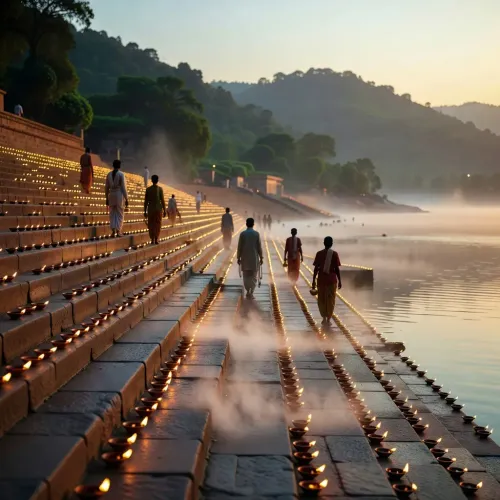
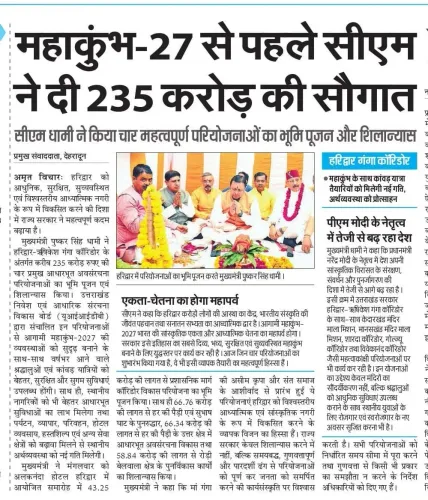
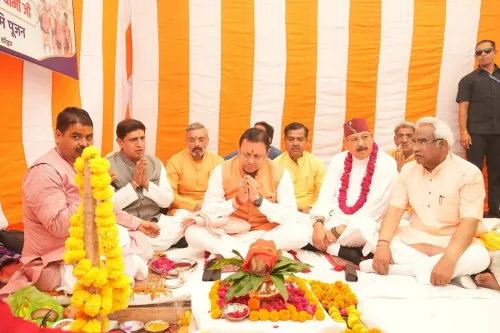
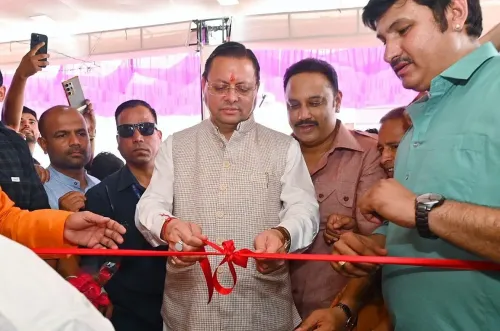
Two of India's most sacred riverfront cities are getting a structural makeover. Uttarakhand Chief Minister Pushkar Singh Dhami announced on Thursday, November 5, 2026 that a ₹235 crore-plus Ganga Corridor Project is actively underway across Haridwar and Rishikesh, aimed at reshaping the grandeur of the Ganga ghats, reinforcing their religious heritage, and expanding tourism infrastructure along one of Hinduism's most venerated rivers.
Dhami's post, written in Hindi, frames the project in three interlocking goals: 'ganga taton ki bhavyata, dharmik virasat aur paryatan suvidhaon ko naya swaroop dena' — giving a new form to the grandeur of the Ganga banks, religious heritage, and tourism facilities. Work includes the development of ghats and surrounding areas, the expansion of amenities for pilgrims, and an effort to connect the state's tourism sector to new opportunities.
What ₹235 Crore Is Meant to Rebuild
Haridwar, the point where the Ganga descends from the Himalayas into the plains, draws millions of pilgrims annually and is the centrepiece of the Kumbh Mela — one of the largest religious gatherings on earth. Rishikesh, upstream, is globally recognised as a hub for yoga, ashrams, and adventure tourism on the river. Both cities have long battled ageing ghat infrastructure, uneven pedestrian access, and limited facilities for the sheer volume of visitors they receive.
The Ganga Corridor Project targets precisely this gap: upgrading the physical fabric of the ghats, improving connectivity and visitor amenities, and creating a more cohesive spiritual-tourism experience across both destinations. The scale of the investment — over ₹235 crore — signals ambition beyond routine maintenance.
Where This Fits in the Namami Gange Story
The project does not exist in isolation. The Namami Gange programme, launched by the central government in 2014, laid the policy foundation for large-scale ghat redevelopment and riverfront infrastructure along the entire Ganga basin. Uttarakhand, sitting at the river's Himalayan headwaters, has been a natural focal point within that framework.
Successive state governments have prioritised religious tourism infrastructure along the Ganga as a lever for both visitor capacity and revenue generation. Similar riverfront corridor projects have been executed in other states — most visibly in Varanasi — combining heritage conservation with structured tourism growth. The Haridwar-Rishikesh corridor follows that template, with the added weight of two cities already embedded in global spiritual tourism circuits.
Swadesh Darshan and the Bigger Tourism Bet
What to watch now is how the Ganga Corridor integrates with central schemes like Swadesh Darshan, which funds thematic tourism circuits — religious, heritage, tribal, eco — across Indian states. Uttarakhand has previously leveraged such programmes for its Himalayan and spiritual tourism corridors. Alignment with these schemes could unlock additional central funding and faster implementation timelines.
Pilgrim footfall at Haridwar and Rishikesh is the ultimate metric — if upgraded ghats and better amenities translate into higher visitor numbers and longer average stays, the economic logic of the project validates itself. The Ganga Corridor is, at its core, a bet that infrastructure investment in sacred space pays dividends both spiritually and economically.
Point of View
Visible development at sites of deep spiritual significance that also doubles as economic stimulus for local communities. For Dhami, investing in Haridwar and Rishikesh is strategically sound: both cities are electoral bellwethers in Uttarakhand and carry national symbolic weight. The project also reflects a wider national pattern of state governments leveraging Namami Gange's policy umbrella to fund large-scale riverfront transformation. The real test will be execution speed and whether upgraded infrastructure translates into measurable gains in pilgrim footfall and state tourism revenue.
NationPress
5 Nov 2026
Frequently Asked Questions
What is the Ganga Corridor Project in Haridwar and Rishikesh?
The Ganga Corridor Project is a ₹235 crore-plus infrastructure initiative in Haridwar and Rishikesh, Uttarakhand, focused on redeveloping ghats, enhancing religious heritage sites, and expanding amenities for pilgrims and tourists along the Ganga riverfront.
Who announced the Ganga Corridor Project?
Uttarakhand Chief Minister Pushkar Singh Dhami announced the project on November 5, 2026, via a post on X, confirming that work is currently under way at both sites.
How much is being spent on the Ganga Corridor in Uttarakhand?
More than ₹235 crore is being invested in the Ganga Corridor Project across Haridwar and Rishikesh for ghat redevelopment and tourism infrastructure.
Is the Ganga Corridor Project related to Namami Gange?
The project aligns with the Namami Gange programme, the central government's 2014 initiative for Ganga rejuvenation that includes ghat redevelopment and riverfront infrastructure. The Uttarakhand project builds on this policy foundation.
What will the Ganga Corridor Project change for pilgrims at Haridwar and Rishikesh?
The project aims to improve ghat infrastructure, expand pilgrim facilities, and enhance the overall religious tourism experience at both cities, potentially increasing visitor capacity and ease of access.