CM Hemant Soren: Banks Failing Jharkhand's Tribal Communities

Synopsis
Chief Minister Hemant Soren has called out a stark gap between banks' reported figures and the actual financial support reaching Jharkhand's tribal and indigenous communities, demanding that institutions live up to their priority-sector obligations.
Key Takeaways
CM Hemant Soren stated on November 5, 2026 that bank statistics look positive on paper but the ground reality for tribal communities is 'disheartening.' He specifically demanded adequate banking support for Jharkhand's moolvaasi (original inhabitants) and Adivasi communities.
Jharkhand has one of India's largest tribal populations, making financial inclusion in scheduled areas a critical policy concern.
The statement reflects a long-running friction between state governments and commercial banks over priority-sector lending in tribal belts.
Analysts will watch for follow-up engagement between the Jharkhand government and RBI or state-level bankers' committees on revised tribal-district lending targets.
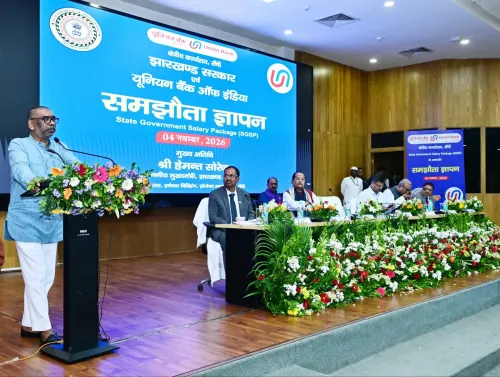
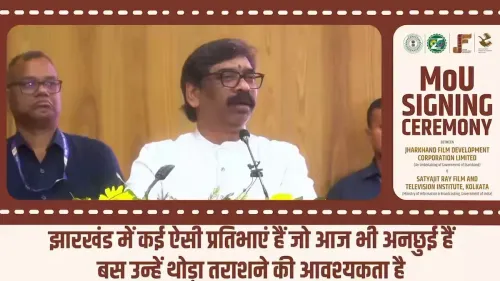
Bank ledgers may look healthy on paper — but for Jharkhand's indigenous communities, the numbers tell a very different story. Chief Minister Hemant Soren, on Thursday, November 5, 2026, declared that the state's moolvaasi (original inhabitants) and Adivasi communities are simply not receiving the banking support they deserve, drawing a sharp line between reported metrics and lived reality.
What Soren Said — and What It Signals
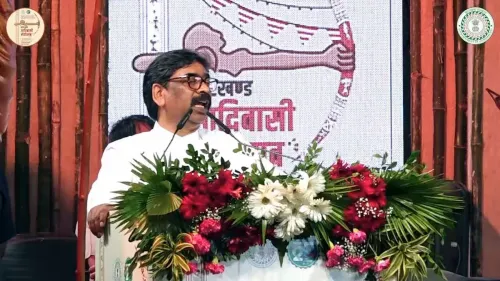
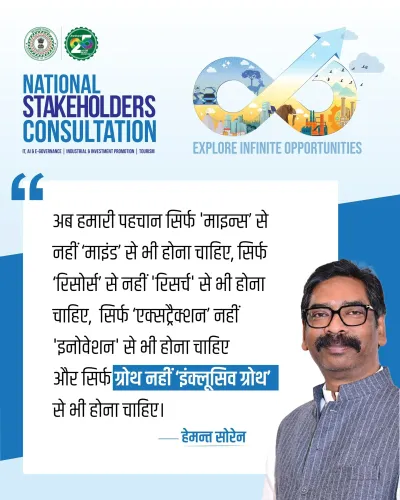
Posting through the Chief Minister's Office of Jharkhand, the government quoted Soren directly: 'Kagazon par bankon ke aankde bhale hi achhe dikhte hon, lekin haqeeqat nirashajanak hai' — 'Bank figures on paper may look good, but the reality is disheartening.' He added that the state's indigenous and tribal communities must receive the support they expect from banks.
It is a pointed rebuke — aimed not at a political rival, but at the financial system itself. The Chief Minister is essentially accusing commercial banks of gaming headline numbers while underserving the very communities that priority-sector lending is designed to reach.
A Recurring Fault Line in Jharkhand's Banking Landscape
Jharkhand is home to one of India's largest tribal populations, and financial inclusion in its scheduled areas has been a persistent challenge across successive governments. National programmes have pushed bank penetration into remote belts, yet state authorities have consistently flagged a gap between aggregate credit data and actual loan disbursals or service delivery at the village level.
The friction is structural: commercial banks report on district-level averages, which can mask deep pockets of exclusion in interior tribal regions. Priority-sector lending mandates exist on paper, but enforcement at the last mile — especially for Adivasi borrowers who may lack conventional collateral or documentation — remains uneven.
The Jharkhand Mukti Morcha-led government has long positioned tribal rights and welfare as its defining political identity. Soren's statement lands as both a policy demand and a mobilising signal to the state's indigenous base.
What Comes Next: RBI and Banks on Notice
The statement sets the stage for a potential escalation. Watchers will now track whether the Jharkhand government formally engages the Reserve Bank of India or state-level bankers' committees to revise lending targets for tribal districts — or whether this remains a pointed public statement ahead of a formal review meeting.
For now, Soren has drawn the battle lines clearly: figures that satisfy regulators but fail the forest-belt farmer are not good enough. The banks have been put on notice.
Point of View
Not just aggregate compliance. For the JMM-led administration, tribal welfare is both moral cause and electoral currency — making such statements doubly purposeful. The real test will be whether Jharkhand converts this rhetoric into formal targets at the state-level bankers' committee, backed by RBI scrutiny of district-level disaggregated data. Without institutional follow-through, the gap between paper figures and forest-belt reality will simply widen.
NationPress
5 Nov 2026
Frequently Asked Questions
What did CM Hemant Soren say about banks and tribal communities in Jharkhand?
On November 5, 2026, CM Hemant Soren said that while bank figures look good on paper, the reality is disheartening, and that the state's tribal and indigenous communities must receive the banking support they deserve.
Why do Adivasi communities in Jharkhand struggle to access bank credit?
Adivasi borrowers often lack conventional collateral or formal documentation, and commercial banks' district-level averages can mask deep exclusion in interior tribal regions despite priority-sector lending mandates.
What is priority-sector lending and does it cover tribal areas?
Priority-sector lending requires banks to direct a portion of credit toward agriculture, small businesses, and weaker sections — including scheduled tribes — but state governments like Jharkhand's have repeatedly flagged that actual disbursal in tribal belts falls short of targets.
What is Jharkhand Mukti Morcha's position on tribal rights?
The Jharkhand Mukti Morcha, the regional party led by Hemant Soren and currently heading the Jharkhand government, is built on advocacy for indigenous rights and has consistently pushed for greater economic and financial access for tribal communities.
What could Jharkhand do to improve banking access for tribal communities?
The state government could formally engage the Reserve Bank of India or state-level bankers' committees to set revised lending targets for tribal districts and demand district-wise disaggregated data to identify and address gaps.