Pauri Women Turn Cow Dung Into Eco Diwali Products
Synopsis
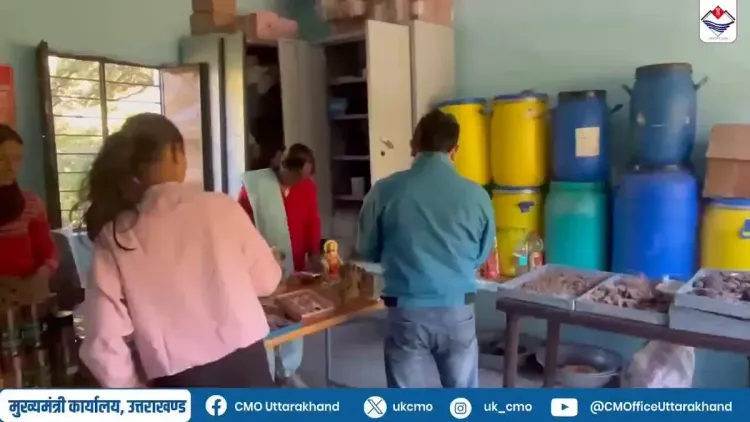
Women of Chamrara village in Uttarakhand's Pauri district are crafting cow-dung incense, havan cups, diyas and deity idols to promote an eco-friendly Diwali, with the Chief Minister's Office noting the enterprise is also boosting women's incomes.
Key Takeaways
The Chief Minister's Office of Uttarakhand on 5 November 2026 highlighted a women-led enterprise in Chamrara village, Pauri district .
Women are producing dhoop (incense), havan cups, diyas, and deity idols entirely from cow dung .
The initiative promotes eco-friendly, chemical-free Diwali celebrations as an alternative to synthetic products.
The enterprise is explicitly noted to be strengthening women's incomes in a remote Himalayan community.
The effort aligns with the GOBARdhan scheme (2018) — the central government's programme converting cow dung into economic products.
Pauri district is in Uttarakhand's hilly Garhwal region, where rural livelihood support is a policy priority.
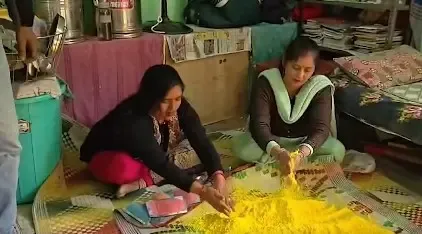
In a Himalayan village where the hills meet tradition, women are quietly rewriting what a festival can look like — and what it can earn. The Chief Minister's Office of Uttarakhand on Thursday, 5 November 2026 highlighted women from Chamrara village in Pauri district who are crafting incense sticks, havan cups, diyas, and idols of deities entirely from cow dung, sending a message of eco-friendly Diwali to the state and beyond.
The post reads: 'Pauri janapad ke Chamrara gaon ki mahilaen gaay ke gobar se dhoop, havan kup, deepak aur devi-devtaon ki murtiyaan banakar eco-friendly Deepawali manaane ka de rahi sandesh.' — 'Women of Chamrara village in Pauri district are giving the message of celebrating an eco-friendly Diwali by making incense, havan cups, lamps, and idols of gods and goddesses from cow dung. This enterprise is also strengthening the income of these women.'
From Waste to Worship: What Chamrara's Women Are Making
Cow dung has been used in Indian households for centuries — as plaster, fuel, and purifier. The women of Chamrara are taking that ancient material and pressing it into the precise shapes that fill a modern festival market: incense sticks (dhoop) that burn without synthetic chemicals, havan kups for ritual fire offerings, hand-moulded diyas, and small deity idols. These are products that compete directly with plastic and chemical-dye items that flood urban stores every October.
The significance is double-edged. First, there is the environmental argument: synthetic festival products contribute to air and soil pollution during and after Diwali. Natural, compostable cow-dung alternatives leave no chemical residue. Second — and arguably more concrete for the village — there is income. The CMO's post explicitly notes that this enterprise is 'mahilaon ki aay mazboot kar rahi hai' — strengthening women's earnings, a direct economic outcome in a remote hill district.
Pauri, GOBARdhan, and the Bigger Rural Livelihood Push
Pauri is one of Uttarakhand's 13 Garhwal-region districts, characterised by dispersed hill communities and limited formal employment. Initiatives that convert locally available agricultural by-products into saleable goods have been central to rural livelihood policy in the state. At the national level, the Government of India launched the GOBARdhan scheme in 2018 — an initiative designed to convert cow dung and agricultural waste into biogas, compost, and value-added products, reducing pollution while generating income for rural households.
Chamrara's women-led enterprise fits squarely within that framework. Uttarakhand has supported rural micro-enterprises that blend traditional knowledge with market-facing production, particularly in remote Himalayan villages where out-migration remains a pressure. Festivals like Diwali represent a seasonal demand spike — a natural window for cottage producers to generate meaningful revenue before the lean winter months.
The Question of Scale
Village-level success stories carry weight, but the harder question is whether Chamrara remains a single bright example or becomes a template. For these products to reach their potential — in Dehradun markets, in e-commerce channels, in government procurement — women's groups need market linkages, packaging support, and consistent training. That infrastructure remains the missing conversation whenever such initiatives surface. The CMO's public endorsement is visibility; whether it translates into supply-chain support will determine how many more Chamraras follow.
This Diwali, the message from a small Garhwal village is both ancient and urgent: the material you discard may be exactly what the festival needs.
Point of View
Giving a micro-enterprise in a remote hill village a larger policy identity. The sharp question, however, is whether such social-media spotlights translate into structural support — market linkages, SHG financing, e-commerce onboarding — or remain seasonal goodwill gestures. Himalayan states face persistent out-migration; only enterprises that can sustain year-round income will slow it.
NationPress
5 Nov 2026
Frequently Asked Questions
What are the women of Chamrara village in Pauri making from cow dung?
Women of Chamrara village in Pauri district, Uttarakhand are making incense sticks (dhoop), havan cups, diyas (earthen lamps), and small idols of gods and goddesses from cow dung for eco-friendly Diwali celebrations.
Where is Chamrara village located?
Chamrara village is located in Pauri district, part of the Garhwal region in the state of Uttarakhand, India.
How does cow dung Diwali products help the environment?
Cow-dung products are natural and compostable, unlike synthetic plastic items or chemically-dyed goods that contribute to air and soil pollution during and after Diwali.
What is the GOBARdhan scheme and how is it related?
GOBARdhan is a Government of India scheme launched in 2018 to convert cow dung and agricultural waste into useful products, reducing pollution and generating rural income. Chamrara's enterprise aligns with this national framework.
Is the Uttarakhand government supporting these women entrepreneurs?
The Chief Minister's Office of Uttarakhand has publicly highlighted the initiative, providing visibility. Whether formal market linkages, training, or subsidies are being extended to scale the enterprise has not yet been confirmed.