CM Dhami Launches Rishikesh Ganga Corridor Works
Synopsis
Uttarakhand CM Pushkar Singh Dhami has launched key infrastructure works under the Rishikesh Ganga Corridor Project, targeting better rafting facilities, traffic management, and parking to position Rishikesh as a world-class yoga and adventure tourism destination.
Key Takeaways
CM Pushkar Singh Dhami announced the launch of development works under the Rishikesh Ganga Corridor Project on June 7, 2026 .
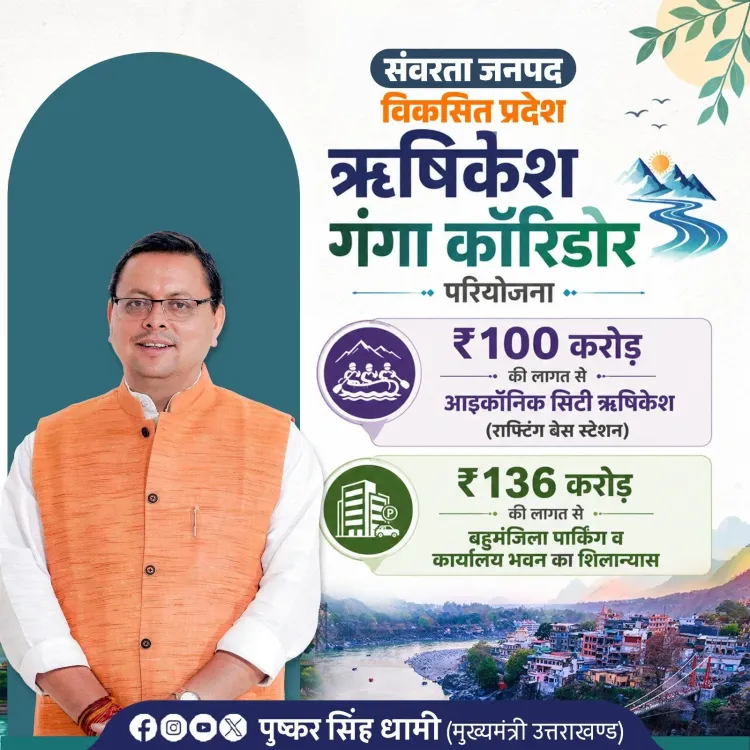
The works aim to link rafting activities to improved base infrastructure and strengthen traffic and parking management in Rishikesh .
The project is part of a broader state push to develop Rishikesh as a world-class yoga and tourism city with modern amenities.
The initiative is expected to boost local employment, trade, and regional development alongside tourism growth.
The works align with the central Namami Gange programme (launched 2015 ) and Uttarakhand 's yoga capital development plans.
Key beneficiaries include rafting operators, local businesses, and rafting guides dependent on organised riverfront infrastructure.
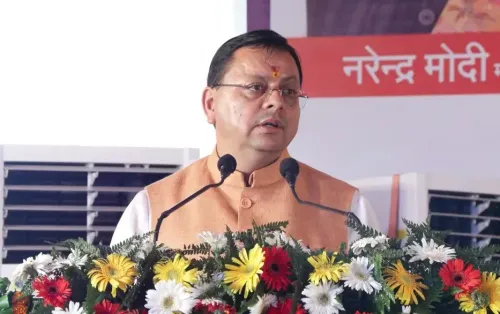
Uttarakhand Chief Minister Pushkar Singh Dhami on Sunday, June 7, 2026, announced the launch of key development works under the Rishikesh Ganga Corridor Project, aimed at transforming Rishikesh into a world-class yoga and tourism destination equipped with modern infrastructure.
Posting on X, CM Dhami said the initiatives are part of a sustained effort to develop Rishikesh as an 'aadhunik suvidhaon se yukt, suvyavasthit aur vishwstariya yoga va paryatan nagri' — a well-organised, world-class yoga and tourism city with modern amenities. The works inaugurated focus on linking rafting activities to improved base infrastructure and strengthening traffic and parking management in the town.
Context
Rishikesh, situated on the banks of the Ganga in Uttarakhand, is one of India's most prominent pilgrimage, yoga, and adventure tourism hubs. The town draws hundreds of thousands of visitors annually for river rafting, yoga retreats, and religious tourism. Rapid visitor growth has, however, strained its roads, parking facilities, and riverfront infrastructure in recent years.
The Rishikesh Ganga Corridor Project is a state-level riverfront development initiative targeting ghats, visitor facilities, and tourism infrastructure along the Ganga. It dovetails with the central government's Namami Gange programme, launched in 2015, which included components for riverfront development and ghat upgrades in key Ganga basin towns including Rishikesh.
Policy Backdrop
The Uttarakhand government declared Rishikesh a yoga capital following the establishment of International Yoga Day in 2015, and has since rolled out dedicated tourism development plans to capitalise on the town's global recognition. The state has consistently prioritised riverfront and adventure tourism infrastructure to diversify its economy beyond seasonal pilgrimage traffic and generate year-round employment.
The latest works align with a broader state strategy of combining improved access, dedicated activity hubs, and upgraded parking to reduce congestion while expanding visitor capacity. CM Dhami stated that these initiatives will not only give tourism a new momentum but will also provide a strong foundation for local employment, trade, and regional development.
Stakeholders and Impact
The primary beneficiaries of the corridor works include rafting operators, local businesses, and rafting guides who depend on organised riverfront infrastructure to serve visitors safely and efficiently. Improved parking and traffic systems are expected to ease the chronic congestion that has long been a pain point for both tourists and residents of Rishikesh.
Wellness tourism operators and yoga retreat centres stand to gain from a better-planned urban environment that can accommodate growing footfall without degrading the town's character. Local traders and hospitality businesses along the Ganga ghats are also positioned to benefit from increased and more structured visitor flow.
What's Next
Attention will now turn to the rollout of subsequent phases of the Ganga Corridor works and whether the state's upcoming budget will include fresh allocations for Rishikesh's tourism infrastructure. The government's ability to execute these projects on schedule will be closely watched by tourism stakeholders and local communities alike.
Any new tourism policy announcements tied to the corridor's completion could further shape Uttarakhand's positioning as a leading adventure and wellness destination in South Asia.
Point of View
Visible improvements — CM Dhami signals a shift from ceremonial declarations toward tangible urban upgrades ahead of what could be a politically significant period. The convergence of Namami Gange funding, yoga-capital branding, and adventure tourism positions Rishikesh as a template for how Himalayan towns can scale tourism without losing their identity. The real test will be execution speed and whether subsequent phases receive consistent budgetary support.
NationPress
22 Oct 2026
Frequently Asked Questions
What is the Rishikesh Ganga Corridor Project?
The Rishikesh Ganga Corridor Project is a state-level riverfront development initiative by the Uttarakhand government focused on upgrading ghats, visitor facilities, rafting infrastructure, traffic management, and parking along the Ganga in Rishikesh.
What did CM Dhami announce for Rishikesh on June 7 2026?
CM Pushkar Singh Dhami announced the launch of key development works under the Rishikesh Ganga Corridor Project to improve rafting base infrastructure and strengthen traffic and parking management in the town.
How is Rishikesh being developed as a yoga and tourism city?
Uttarakhand has been implementing dedicated tourism development plans since Rishikesh was declared a yoga capital in 2015, combining riverfront upgrades, adventure tourism facilities, and improved urban infrastructure under schemes like the Ganga Corridor Project.
What is the Namami Gange programme and how does it relate to Rishikesh?
Namami Gange is a central government programme launched in 2015 for river rejuvenation that includes riverfront development, ghat upgrades, and tourism infrastructure in Ganga basin towns including Rishikesh, providing a funding and policy framework that state-level corridor projects build upon.
Who benefits from the Rishikesh Ganga Corridor infrastructure works?
The primary beneficiaries are rafting operators, local businesses, rafting guides, yoga retreat centres, and hospitality traders along the Ganga ghats, along with residents who will see reduced traffic congestion in the town.