CM Dhami Sets 'Clean, Safe Kanwar Yatra' Goal for Uttarakhand
Synopsis
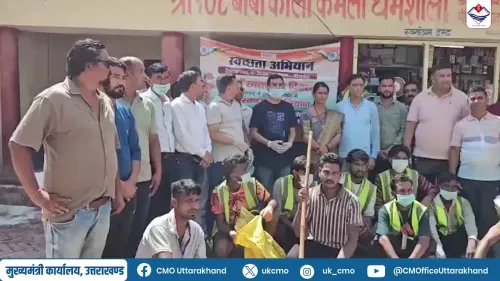
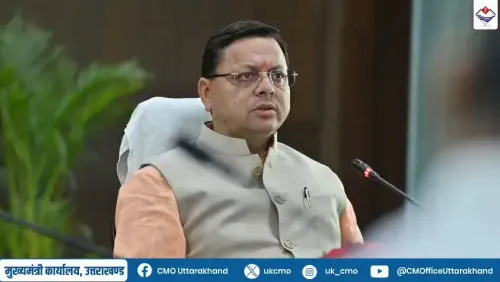
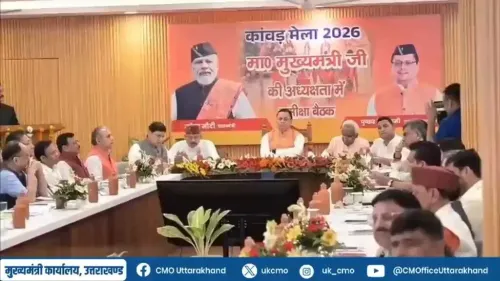
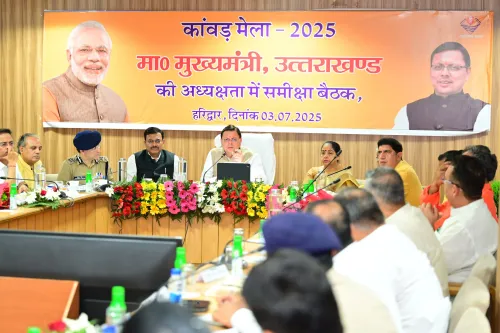
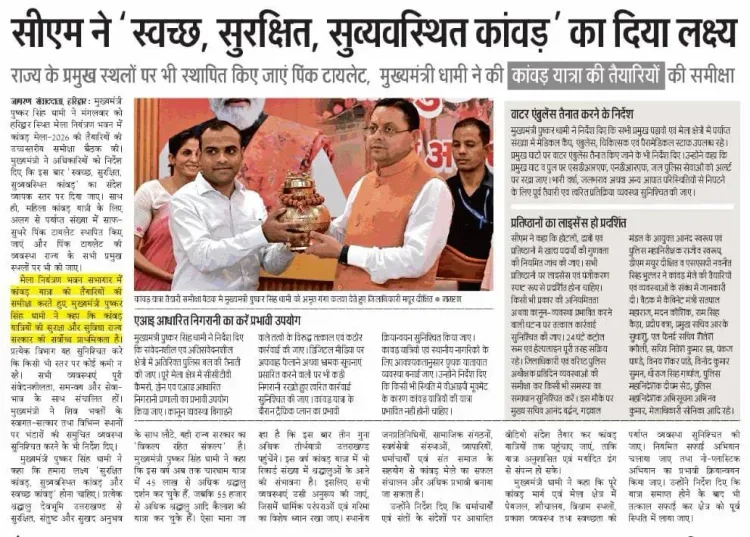
Chief Minister Pushkar Singh Dhami has set a 'clean, safe Kanwar Yatra' goal for Uttarakhand, signalling an early administrative push ahead of the Shravan 2026 pilgrimage season that draws crores of devotees through Haridwar and surrounding districts.
Key Takeaways
CM Pushkar Singh Dhami announced the goal of a 'swachh, surakshit Kanwar Yatra' (clean, safe Kanwar Yatra) on 22 July 2026 .
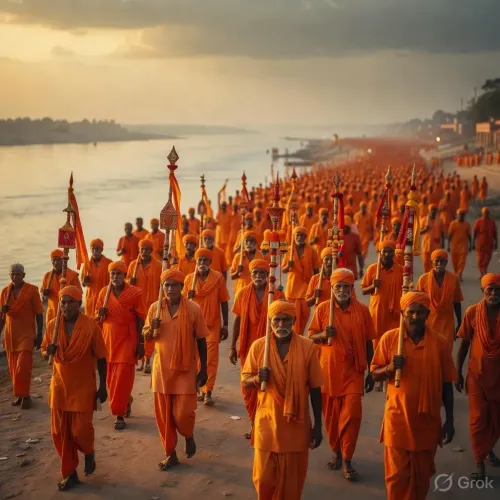
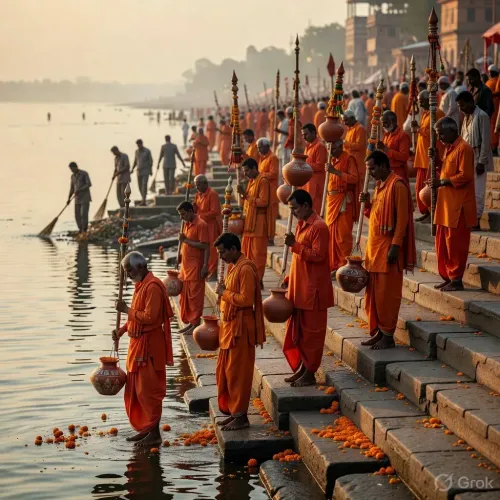
The Kanwar Yatra is held annually during the Shravan month and draws tens of millions of pilgrims to collect Ganga water at sites including Haridwar .
Uttarakhand has issued annual cleanliness and security directives for the yatra in preceding years, making this consistent with established state practice.
The announcement is expected to be followed by specific administrative orders, inter-state coordination meetings, and infrastructure upgrades ahead of the Shravan season.
Uttarakhand plays a central role in the multi-state coordination architecture for the Kanwar Yatra as the primary source of Ganga water for pilgrims across northern India.
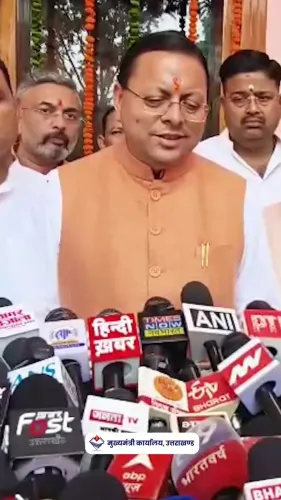
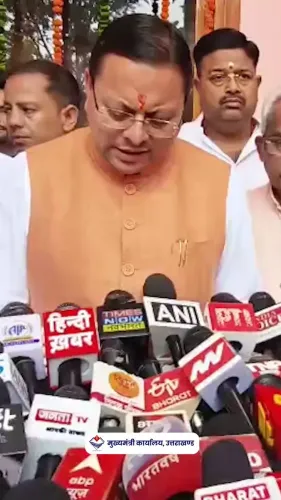
The Chief Minister's Office of Uttarakhand announced on Wednesday, 22 July 2026 that Chief Minister Pushkar Singh Dhami has set the goal of a 'swachh, surakshit Kanwar Yatra' ('clean, safe Kanwar Yatra') for the state, signalling an early administrative push ahead of the annual Shravan pilgrimage season.
Context
The Kanwar Yatra is one of the largest annual Hindu pilgrimages in India, drawing tens of millions of devotees — known as Kanwariyas — during the auspicious month of Shravan. Pilgrims travel on foot to collect sacred water from the Ganga at sites such as Haridwar in Uttarakhand, carrying it back to offer at Shiva temples in their home towns and villages. The sheer scale of the movement places enormous pressure on infrastructure, sanitation systems, and law-enforcement agencies across northern India.
CM Dhami, who has led Uttarakhand since 2021 under the Bharatiya Janata Party, has consistently positioned the state as a hub of religious tourism, integrating the Kanwar Yatra into a broader framework that also covers the Char Dham circuit.
Policy Backdrop
Uttarakhand administrations have issued annual directives on crowd control, sanitation, and security for the Kanwar Yatra in preceding years, making this year's announcement consistent with an established governance pattern. The dual emphasis on cleanliness and safety reflects two distinct administrative priorities: the first aligns with national sanitation campaigns, while the second addresses the perennial challenge of managing large, fast-moving pilgrim crowds on state and national highways.
State governments across northern India — including Uttar Pradesh, Haryana, and Delhi — routinely coordinate inter-state arrangements for the yatra, covering route management, medical facilities, and police deployment. Uttarakhand, as the primary source of Ganga water for millions of pilgrims, holds a central role in that coordination architecture.
Stakeholders and Impact
The most direct beneficiaries of a well-administered Kanwar Yatra are the crores of Kanwar pilgrims who travel through Uttarakhand each Shravan season. For them, cleanliness targets translate into better sanitation facilities along walking routes, while safety goals mean more predictable traffic management and emergency response coverage.
Local residents and traders in Haridwar and surrounding districts also have a significant stake, as the yatra generates substantial economic activity. District administrations, the police, and public health departments are the key implementing agencies that will be expected to translate CM Dhami's stated goal into operational orders in the weeks ahead.
What's Next
The announcement is expected to be followed by specific administrative orders, inter-departmental review meetings, and coordination sessions with counterpart states ahead of the Shravan 2026 season. Infrastructure upgrades — including temporary shelters, drinking water points, and sanitation blocks along Kanwar routes — are typically commissioned in the run-up to the pilgrimage. Observers will watch whether this year's directives introduce new numerical targets or institutional mechanisms beyond the standard annual playbook.
With religious tourism remaining a flagship priority for the Uttarakhand government, the framing of a 'clean, safe Kanwar Yatra' as a named goal suggests the administration intends to treat it as a measurable outcome rather than a routine seasonal exercise.
Point of View
Safe Kanwar Yatra' as a named goal — rather than a routine directive — is a deliberate signal that the Uttarakhand government intends to treat pilgrimage management as a reputational benchmark ahead of the Shravan season. For a BJP-governed state that has staked significant political capital on religious tourism, the optics of a well-run Kanwar Yatra carry weight beyond administrative efficiency. The dual emphasis on cleanliness and safety also mirrors the twin pillars of the Centre's broader governance messaging, suggesting alignment between state and national communication strategies. How the goal translates into measurable on-ground outcomes will determine whether the announcement is remembered as policy or publicity.
NationPress
21 Oct 2026
Frequently Asked Questions
What is the Kanwar Yatra and why is it significant for Uttarakhand?
The Kanwar Yatra is an annual Hindu pilgrimage during the Shravan month in which devotees carry sacred Ganga water to Shiva temples. Uttarakhand, home to key Ganga sites like Haridwar, is the primary destination for crores of pilgrims, making the yatra one of the state's most important religious and economic events.
What did CM Dhami announce about the Kanwar Yatra 2026?
Chief Minister Pushkar Singh Dhami set the goal of a 'swachh, surakshit Kanwar Yatra' — meaning a clean and safe pilgrimage — as announced by the Chief Minister's Office of Uttarakhand on 22 July 2026.
What measures does Uttarakhand take for Kanwar Yatra management?
Uttarakhand administrations have historically issued directives covering crowd control, sanitation facilities, and security deployment along Kanwar routes, and coordinate with neighbouring states including Uttar Pradesh and Haryana for inter-state pilgrim flow management.
When does the Kanwar Yatra 2026 take place?
The Kanwar Yatra is held during the Hindu month of Shravan, which typically falls between July and August. Specific dates for the 2026 season would be confirmed by the state administration closer to the pilgrimage period.
What is CM Pushkar Singh Dhami's track record on religious tourism?
CM Dhami, who has led Uttarakhand since 2021 under the BJP, has consistently prioritised religious tourism, integrating the Kanwar Yatra and the Char Dham circuit into the state's governance and infrastructure planning frameworks.