CM Dhami appeals to Kanwar pilgrims on cleanliness as footfall surges
Synopsis
Chief Minister Pushkar Singh Dhami has urged Kanwar Yatra pilgrims to cooperate with sanitation arrangements as over one crore Shiva devotees have visited Uttarakhand during the ongoing Shravan season, putting pressure on the state's pilgrimage infrastructure and Himalayan river environment.
Key Takeaways
CM Pushkar Singh Dhami issued a public appeal on August 6, 2026 urging Kanwar pilgrims to maintain cleanliness.
More than one crore (10 million) Shiva devotees have visited Uttarakhand so far this year during the Shravan season.
The Kanwar Yatra is one of north India's largest annual religious pilgrimages, centred on collecting Ganga water from Haridwar .
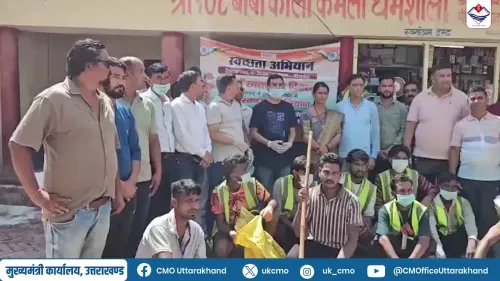
Uttarakhand administrations routinely deploy sanitation, crowd-control, and public-messaging campaigns to manage the Yatra's environmental impact.
Pilgrimage tourism is a core pillar of Uttarakhand's economy, making ecological upkeep of sites like Haridwar a direct state interest.
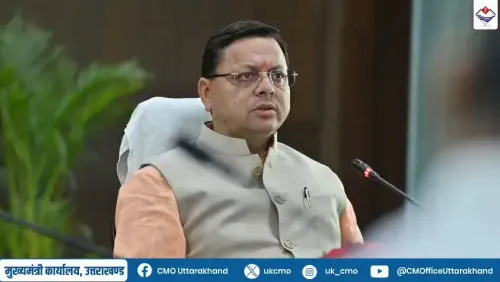
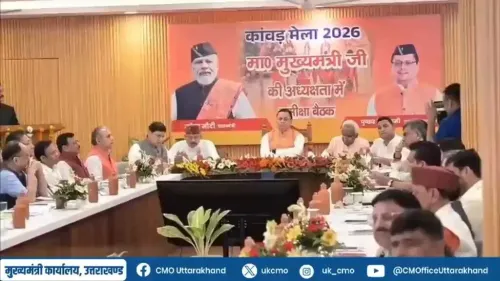
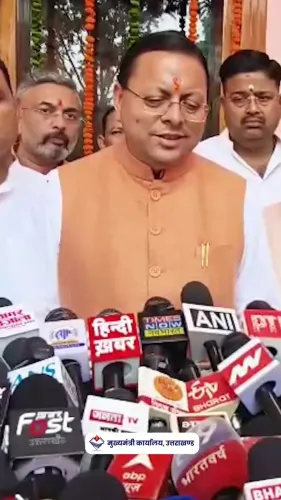
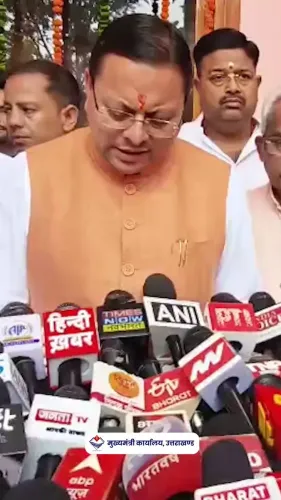
Over one crore Shiva devotees have already descended on Uttarakhand this year — and the Shravan season is not over yet. Chief Minister Pushkar Singh Dhami on Thursday, August 6, 2026, issued a direct appeal to Kanwar Yatra pilgrims to cooperate with sanitation arrangements as the annual pilgrimage reaches peak intensity.
In his own words: 'इस वर्ष अब तक एक करोड़ से अधिक शिवभक्त यहां आ चुके हैं। कांवड़ यात्रियों से अपील है कि स्वच्छता व्यवस्था बनाए रखने के लिए सहयोग करें।' — 'More than one crore Shiva devotees have come here so far this year. Kanwar pilgrims are urged to cooperate in maintaining cleanliness arrangements.'
Why the Kanwar Yatra tests every government
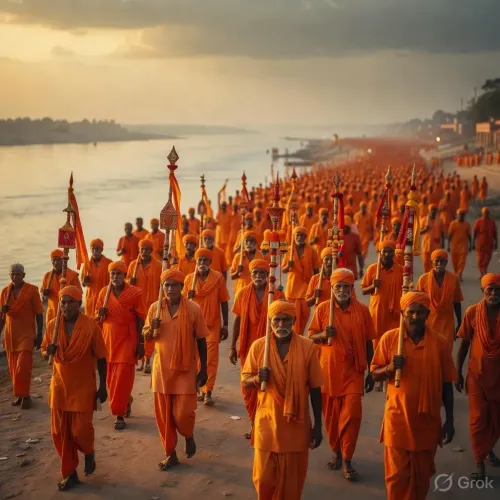
The Kanwar Yatra is one of the largest recurring religious movements in north India. Every year during the Hindu month of Shravan, millions of devotees — kanwariyas — walk hundreds of kilometres carrying sacred Ganga water, primarily collected from Haridwar, to offer at Shiva temples in their home towns. The sheer scale compresses an enormous volume of human activity — waste, noise, traffic — into a narrow riverbank corridor over just a few weeks.
Uttarakhand administrations have long treated the Yatra as a logistical marathon: sanitation posts, crowd-control barriers, medical camps, and public-messaging campaigns are standard fixtures. But a footfall of this magnitude puts every arrangement under strain. The Himalayan river environment — already under pressure from tourism and urbanisation — absorbs the impact most visibly at Ganga ghats in Haridwar.
Dhami's cleanliness pitch and the bigger state strategy
CM Dhami's appeal is brief, but it carries a deliberate message: the state cannot do this alone. By addressing pilgrims directly — not officials — he is invoking a sense of collective religious responsibility. Keeping the teertha (pilgrimage site) clean is framed as an act of devotion, not just civic duty. It is a framing Uttarakhand governments have used before, and one that tends to land with a devout audience far better than a bureaucratic directive.
The broader state interest is clear. Uttarakhand's economy is deeply tied to pilgrimage tourism — Char Dham, Haridwar, Rishikesh together form the backbone of visitor revenue. Sustaining that requires the sites to remain ecologically and aesthetically intact. A degraded Ganga bank is bad theology and bad economics at once.
As the Shravan period continues, the state is expected to monitor waste accumulation and may issue further directives on disposal and facilities. For now, the Chief Minister's message is unambiguous: the numbers are historic — keep the river worthy of them.
Point of View
Whether or not independently verified, serves a dual political purpose: it signals the Yatra's success under his government while justifying the cleanliness push as a matter of scale, not failure. More broadly, the message fits Uttarakhand's long-running effort to position itself as a spiritually credible yet ecologically responsible pilgrimage destination — a balance that becomes harder to strike as footfall numbers climb year on year.
NationPress
20 Sept 2026
Frequently Asked Questions
What did CM Pushkar Singh Dhami say about the Kanwar Yatra 2026?
CM Dhami stated that more than one crore Shiva devotees have visited Uttarakhand so far this year and urged Kanwar pilgrims to cooperate with cleanliness and sanitation arrangements during the ongoing Shravan season.
How many pilgrims have attended the Kanwar Yatra in Uttarakhand in 2026?
According to CM Dhami's statement on August 6, 2026, over one crore (10 million) Shiva devotees have visited Uttarakhand during the current Kanwar Yatra season.
What is the Kanwar Yatra and where does it take place?
The Kanwar Yatra is an annual Hindu pilgrimage held during the month of Shravan, in which devotees carry sacred Ganga water — primarily collected from Haridwar in Uttarakhand — on foot to Shiva temples in their home regions.
Why is cleanliness a concern during the Kanwar Yatra?
The pilgrimage draws millions of people to a narrow riverbank corridor in a short period, generating significant waste at Ganga ghats and temple towns. Uttarakhand administrations have long run sanitation campaigns to protect the Himalayan river environment.
What steps does Uttarakhand take to manage the Kanwar Yatra?
The state deploys sanitation posts, crowd-control measures, medical camps, and public-messaging campaigns every year. Officials also coordinate traffic management and may issue additional directives on waste disposal as the Shravan period progresses.