CM Dhami calls Kanwar Yatra a festival of social harmony
Synopsis
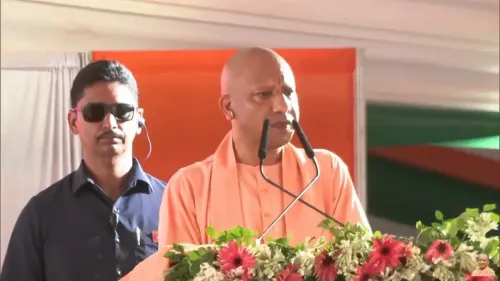
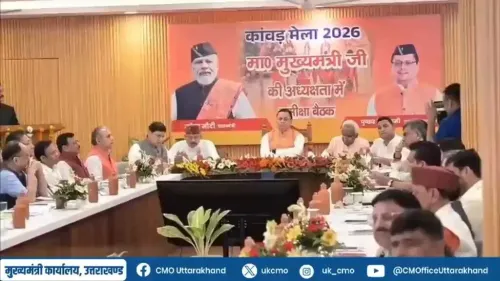
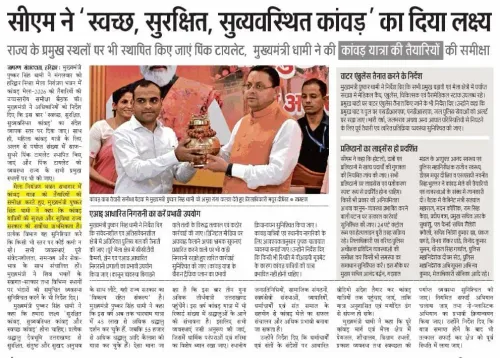
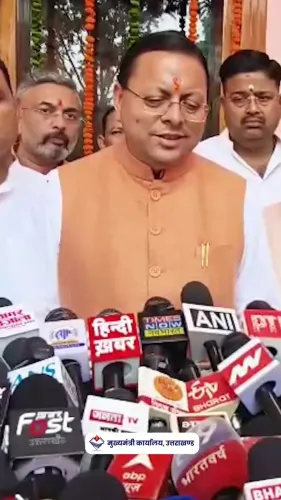
Uttarakhand Chief Minister Pushkar Singh Dhami on 10 August 2026 described the Kanwar Yatra as a grand festival of India's Sanatan tradition, social harmony, and spiritual consciousness, reinforcing the state's identity as a centre of Hindu pilgrimage during the Shravan season.
Key Takeaways
CM Pushkar Singh Dhami on 10 August 2026 publicly called the Kanwar Yatra a 'grand festival of India's Sanatan tradition, social harmony, and spiritual consciousness.' The Kanwar Yatra is an annual Hindu pilgrimage during Shravan (July–August) in which devotees carry sacred Ganga water to Shiva temples across India.
Uttarakhand — home to Haridwar and Rishikesh — is the primary departure point for the yatra, making it central to the state's religious tourism economy.
Dhami, Chief Minister since 2021 , has consistently framed major Hindu festivals as pillars of Uttarakhand's cultural and state identity.
The statement coincides with peak Shravan season, when state authorities manage large-scale crowd control, medical, and road logistics for pilgrims.
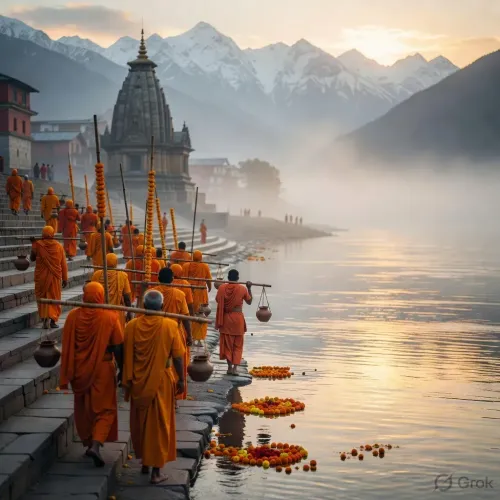
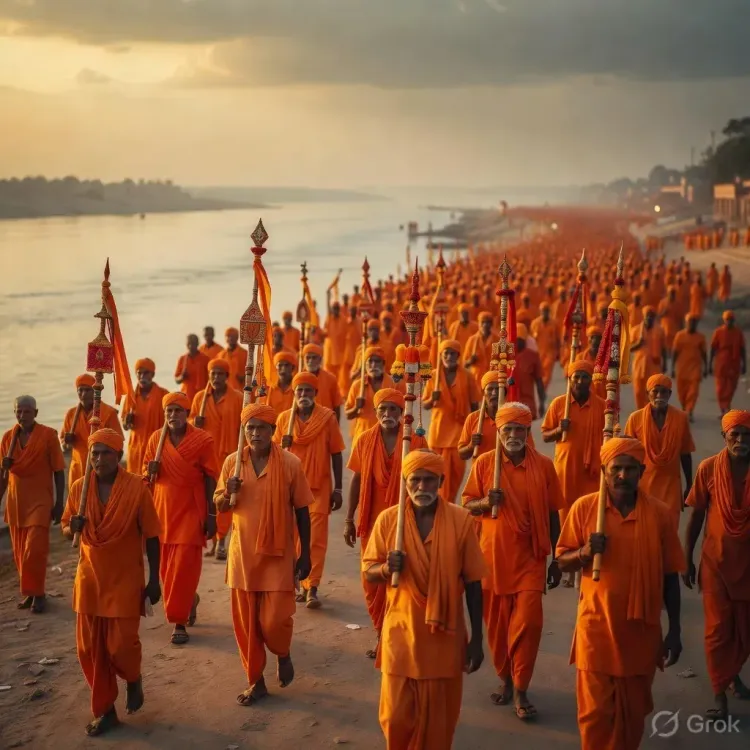
Every monsoon, millions of saffron-clad pilgrims flood the highways of northern India, kanwars balanced on their shoulders, chanting 'Bol Bam' as they carry sacred Ganga water to Shiva temples across the country. On Monday, 10 August 2026, Uttarakhand Chief Minister Pushkar Singh Dhami gave that annual spectacle its official framing — calling the Kanwar Yatra a 'grand festival of India's Sanatan tradition, social harmony, and spiritual consciousness.'
What Dhami said — and why it lands differently from Dehradun
The Chief Minister's Office posted his statement in Hindi: 'Kanwar Yatra Bharat ki Sanatan parampara, samajik samarasta aur adhyatmik chetna ka virat parv hai' — ('The Kanwar Yatra is a grand festival of India's Sanatan tradition, social harmony, and spiritual consciousness'). Three ideas packed into one sentence: ancient lineage, social cohesion, inner awakening. The choice of Uttarakhand as the voice behind this statement is not incidental. The state is the headwaters — literally. The Ganga, whose water pilgrims carry hundreds of kilometres to anoint Shiva lingas, originates here. Haridwar and Rishikesh, both in Uttarakhand, are the principal departure points for the yatra.
Kanwar Yatra: scale, route, and Uttarakhand's role
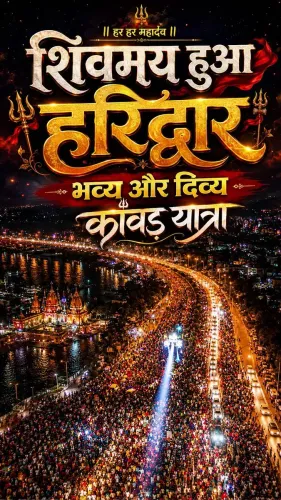
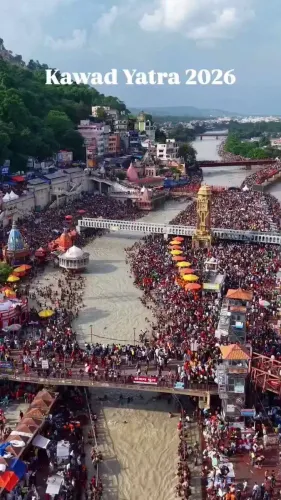
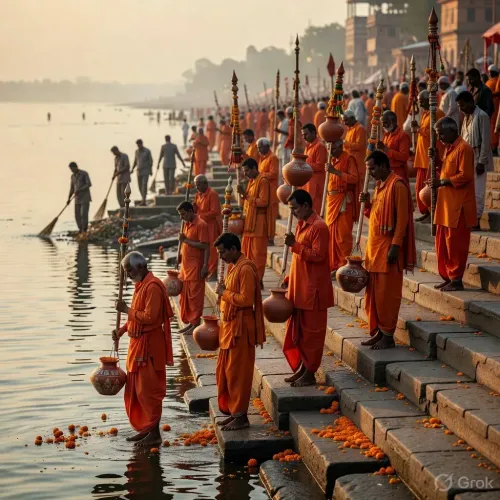
The Kanwar Yatra takes place every year during the Hindu month of Shravan, which falls across July and August. Devotees — called kanwariyas — travel on foot to collect water from the Ganga, then carry it in decorated pots (kanwars) back to their home temples, sometimes walking hundreds of kilometres without setting the vessel down. The pilgrimage draws tens of millions of participants, making it one of the largest annual religious gatherings on earth. For Uttarakhand, it is also a defining moment of seasonal religious tourism, requiring coordinated crowd management, medical infrastructure, and road logistics across the state.
Dhami's pattern of anchoring state identity to Hindu heritage
Chief Minister Pushkar Singh Dhami, who has led Uttarakhand since 2021, has consistently used public endorsements of major Hindu festivals to reinforce the state's identity as a centre of Sanatan culture and pilgrimage. Uttarakhand governments across party lines have followed this template — but under Dhami, statements have been more frequent and more explicitly framed around cultural nationalism. The three-part formulation in Monday's post — tradition, social harmony, spiritual consciousness — is a deliberate rhetorical architecture: it positions the yatra not merely as a religious event but as a social and civilisational statement.
As the Shravan season peaks and pilgrims continue their journey through Uttarakhand's highways and ghats, the state's next move will be in logistics — the security deployments, medical camps, and route management that turn a Chief Minister's words into ground-level delivery.Point of View
Nation-building force rather than a sectarian one. This sits within a broader BJP-governed-states pattern of using cultural endorsements to consolidate religious-majority sentiment while signalling administrative readiness for large pilgrimage events. For Uttarakhand specifically, such statements serve a dual purpose: cultural positioning ahead of elections and a signal to the tourism and infrastructure machinery to scale up. The real test, as always, will be whether the rhetoric translates into seamless on-ground management during the Shravan peak.
NationPress
24 Sept 2026
Frequently Asked Questions
What is the Kanwar Yatra?
The Kanwar Yatra is an annual Hindu pilgrimage held during the month of Shravan (July–August) in which devotees called kanwariyas travel to the Ganga — especially at Haridwar and Rishikesh in Uttarakhand — to collect sacred water and carry it back on foot to Shiva temples in their home regions.
What did CM Pushkar Singh Dhami say about the Kanwar Yatra?
On 10 August 2026, Chief Minister Dhami called the Kanwar Yatra a 'grand festival of India's Sanatan tradition, social harmony, and spiritual consciousness,' emphasising its cultural and social significance beyond its religious dimension.
Why is Uttarakhand important for the Kanwar Yatra?
Uttarakhand is the source of the Ganga and home to Haridwar and Rishikesh, the principal points where pilgrims collect sacred Ganga water. The state manages massive seasonal inflows of pilgrims and provides the infrastructure backbone for the yatra.
When does the Kanwar Yatra take place?
The Kanwar Yatra takes place every year during the Hindu month of Shravan, which corresponds to July and August in the Gregorian calendar.
Who is Pushkar Singh Dhami?
Pushkar Singh Dhami is the Chief Minister of Uttarakhand, serving since 2021. He is a member of the Bharatiya Janata Party and has been a vocal proponent of Uttarakhand's identity as a centre of Sanatan culture and Hindu pilgrimage.