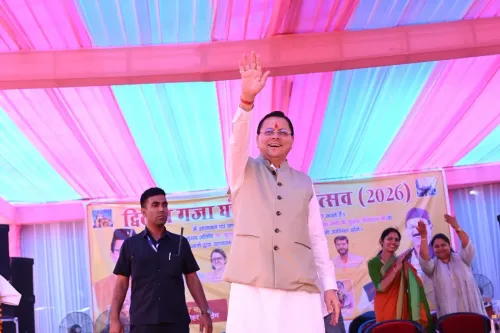
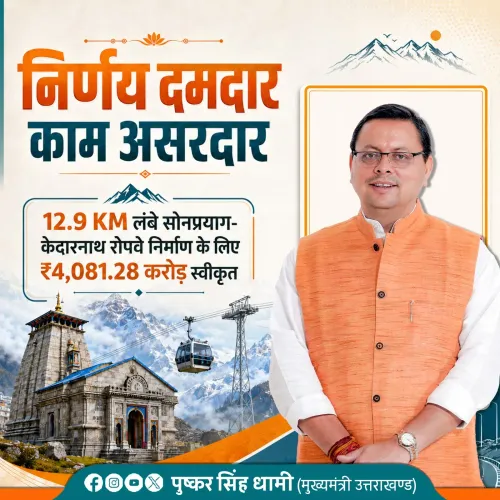
CM Dhami announces ropeway to Ghantakarn Temple, eco-park at Dandachali
Synopsis
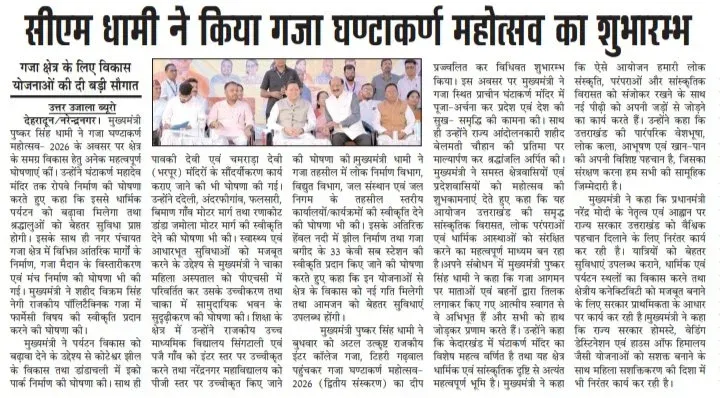
Chief Minister Pushkar Singh Dhami has announced a ropeway to the Ghantakarn Temple and an eco-park at Dandachali, advancing Uttarakhand's twin goals of improving pilgrimage access and developing sustainable eco-tourism in its Himalayan districts.
Key Takeaways
Chief Minister Pushkar Singh Dhami announced a ropeway project to the Ghantakarn Temple , a Shiva pilgrimage site in Uttarakhand.
An eco-park will be developed at Dandachali under the state's tourism expansion plans.
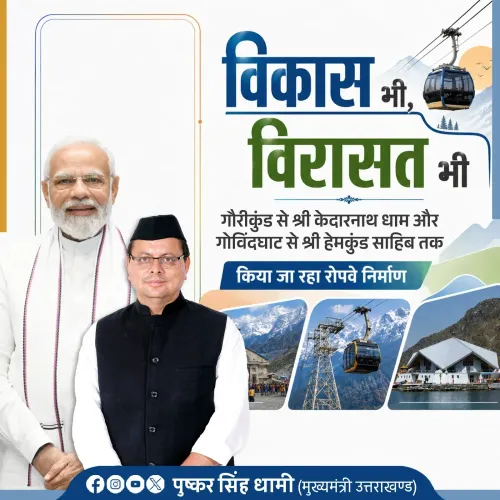
The proposals align with Uttarakhand's post- 2021 policy of building ropeways to pilgrimage sites, supported by the central Parvatmala Programme .
Pilgrims, local communities, and the broader tourism sector are the primary beneficiaries.
Environmental clearances, tendering, and funding sanctions remain the key next steps before construction can begin.
The Chief Minister's Office of Uttarakhand announced on Thursday, 29 May 2026 that Chief Minister Pushkar Singh Dhami has proposed a ropeway to the Ghantakarn Temple and an eco-park at Dandachali, signalling fresh infrastructure push for pilgrimage and eco-tourism in the hill state.
Context
The announcement, shared via the official CMO account, stated: 'घंटाकर्ण मंदिर तक रोपवे, डांडाचली में बनाएंगे ईको पार्क' — 'Ropeway to Ghantakarn Temple, will build eco-park at Dandachali.' The Ghantakarn Temple is a revered Shiva pilgrimage site nestled in the Uttarakhand hills, currently accessible only via difficult mountain terrain. Dandachali has been identified under state tourism plans as a site suited for an eco-park development.
Policy Backdrop
Uttarakhand has pursued a series of ropeway projects to pilgrimage destinations since 2021, aligned with the central government's Parvatmala Programme, which funds rope-and-rail connectivity in hilly regions. The Dhami government has consistently positioned ropeways as a means to ease pilgrim access while reducing pressure on fragile mountain roads. Eco-tourism facilities like the proposed Dandachali eco-park complement this approach by creating leisure infrastructure that can support local livelihoods without heavy environmental footprint.
Uttarakhand's geography — steep gradients, seasonal road closures, and ecologically sensitive Himalayan zones — makes ropeways a practical and politically popular solution for last-mile connectivity to temples and trekking destinations. The state has seen sustained growth in religious tourism, particularly after infrastructure upgrades along the Char Dham corridor.
Stakeholders and Impact
Pilgrims visiting the Ghantakarn Temple stand to benefit most directly, as a ropeway would cut travel time and make the site accessible to elderly and differently-abled devotees who currently cannot make the trek. Local communities near both Ghantakarn and Dandachali could see increased footfall, generating demand for hospitality, guiding, and small-trade services. The tourism sector more broadly is likely to view these proposals as part of the state's effort to diversify beyond the established Char Dham circuit and develop secondary pilgrimage and nature-tourism nodes.
Environmental groups will watch closely for how the ropeway and eco-park projects handle clearances under forest and wildlife regulations, given that both sites lie in ecologically sensitive Himalayan terrain.
What's Next
The immediate steps will involve tendering, detailed project reports, and environmental clearances from central and state regulatory bodies. Funding sanctions — whether through the state budget, the Parvatmala Programme, or other central schemes — will determine project timelines. Progress on these proposals is expected to feature in upcoming state budget discussions and legislative sessions as the Dhami government looks to deliver visible infrastructure milestones ahead of future electoral cycles.
Point of View
The Dhami government signals a bundled infrastructure narrative that is easier to market to both pilgrims and eco-tourists. The Parvatmala alignment also means the state can pitch these projects for central funding, reducing fiscal pressure on a hill state with limited own revenues. Whether these announcements translate into grounded projects will hinge on how swiftly environmental and forest clearances are secured — a historically slow process in ecologically sensitive Himalayan zones.
NationPress
11 Oct 2026
Frequently Asked Questions
Where is the Ghantakarn Temple ropeway being built in Uttarakhand?
The ropeway is proposed to connect to the Ghantakarn Temple , a Shiva pilgrimage site in the hills of Uttarakhand. Precise site coordinates and the lower terminal location have not yet been officially confirmed.
What is the Dandachali eco-park project announced by CM Dhami?
Chief Minister Pushkar Singh Dhami has announced an eco-park to be built at Dandachali in Uttarakhand, aimed at promoting sustainable leisure and nature tourism in the region.
What is the Parvatmala Programme and how does it relate to Uttarakhand ropeways?
The Parvatmala Programme is a central government initiative that funds ropeway and cable-car connectivity in hilly states. Uttarakhand has leveraged it since 2021 to build ropeways to pilgrimage and tourist sites across its Himalayan districts.
When will the Ghantakarn ropeway and Dandachali eco-park be completed?
No official completion timeline has been announced. The projects must first go through tendering, detailed project reports, and environmental clearances before construction can begin.
How will the Ghantakarn Temple ropeway benefit pilgrims?
A ropeway would significantly reduce travel time and physical difficulty for pilgrims visiting the Ghantakarn Temple , making the site accessible to elderly devotees and those with mobility challenges who cannot currently manage the mountain trek.