Seema Kaliramna's CWG 2026 discus bronze: Husband Ravinder on missing son Rudra
Synopsis
Seema Kaliramna's CWG 2026 discus bronze in Glasgow came with a hidden price tag — a four-year-old son left behind because of a passport gap and a last-minute visa, and a 27-year-old athlete locked out of government jobs by an age-limit of 25. The medal is a milestone; the system around it is a cautionary tale.
Key Takeaways
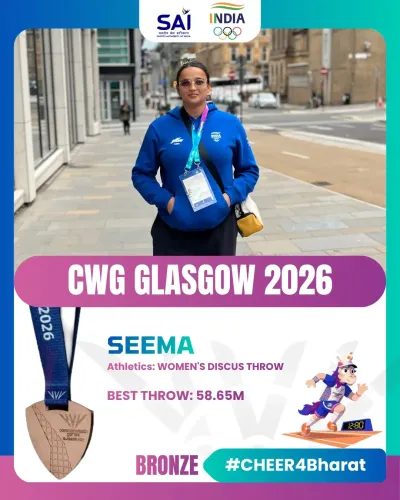
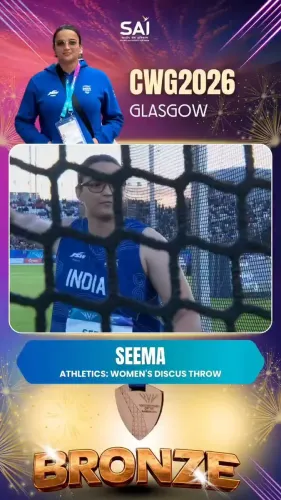
Seema Kaliramna won a discus throw bronze at the Commonwealth Games 2026 in Glasgow with a best effort of 58.65m — her maiden major international medal.
Her husband and coach, Ravinder , received his visa only on 28 July and flew to Glasgow on 29 July , making it impossible to bring their four-year-old son, Rudra , who lacks a passport.
Seema, 27 , revealed she was denied a government job due to an age-limit criterion of 25 years , leaving her without stable financial support.
She currently trains at NCOE Patiala with backing from AFI , SAI , and corporate sponsor JSW .
Seema, also a PhD scholar , made a direct appeal to policymakers to support young athletes and revisit structural barriers in athlete employment.
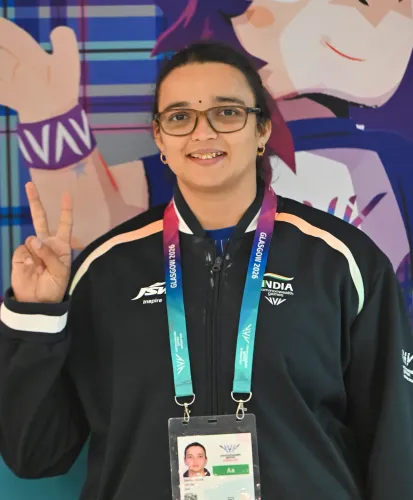
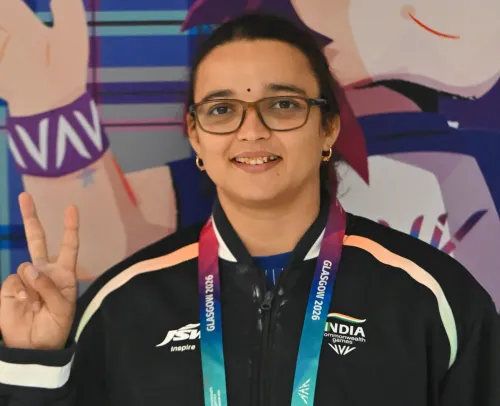
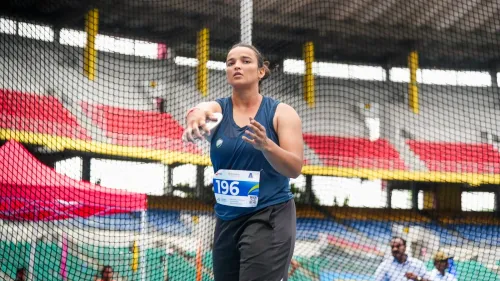
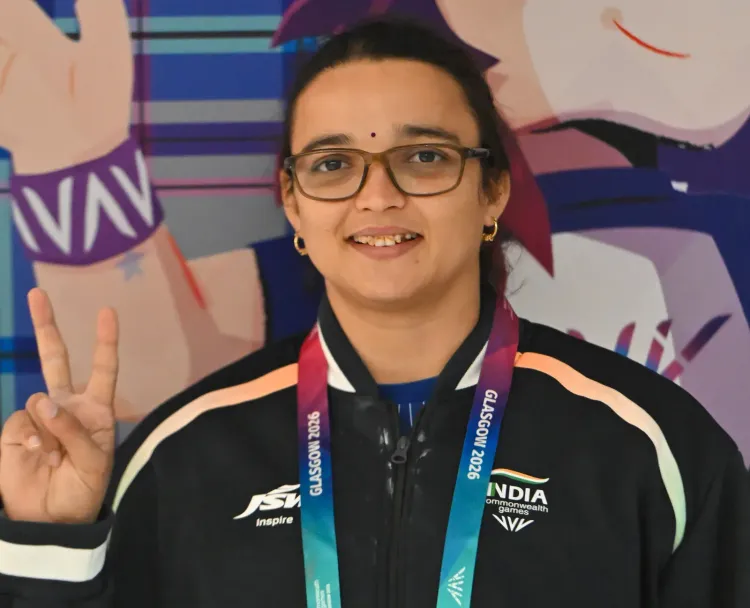
Indian discus thrower Seema Kaliramna claimed a bronze medal at the Commonwealth Games 2026 in Glasgow with a best throw of 58.65m at Scotstoun Stadium — her maiden major international medal. But behind the podium moment was a story of last-minute visa scrambles, a child left behind, and a career built against financial and institutional odds.
The sacrifice behind the medal
Seema's personal coach and husband, Ravinder, was only able to fly to Glasgow after his visa was approved on the evening of 28 July, leaving him no window to bring their four-year-old son, Rudra, along. Rudra, who does not yet have a passport, watched his mother's historic throw from home in India.
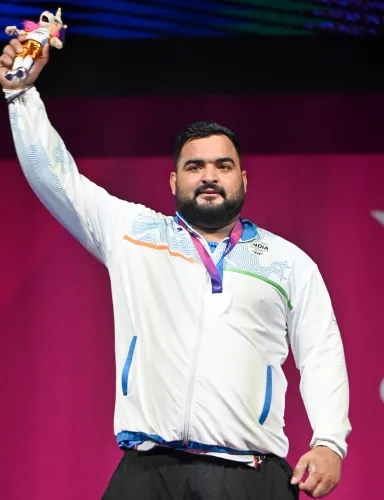
'We missed our son a lot,' Ravinder said after the event. 'He could not come because he did not have a passport, and my own travel was uncertain until the last moment. My visa was approved only on the evening of the 28th, and I flew here on the 29th, so it was not possible to bring him along. However, he watched the event from home. When I called home, he said that he slept 2 minutes ago. He is not used to waking up late.'
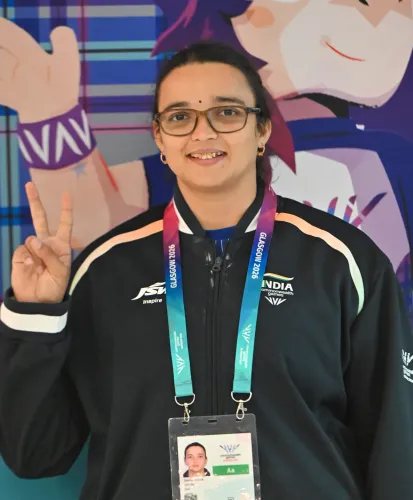
Seema, 27, who dedicated her medal to Ravinder for his constant mentorship and support through her career and post-motherhood comeback, described the emotional weight of competing while separated from her child. 'My son is at home. I miss him a lot. Whenever I talk about my son, those emotions come out again and again. Now I will go home and meet him,' she said.
The employment barrier facing mature athletes
Beyond the personal sacrifice, Seema also spoke candidly about a structural barrier that has blocked her financial security: age-limit restrictions on government employment that effectively exclude athletes who peak in their mid-to-late twenties.
'I tried for a job earlier, but I did not get it. Now I am 27 years old, and according to the criteria, there is an age limit of 25 years,' she said. 'I don't have any financial support, and that remains a big barrier. If I had a job, it would be extremely helpful.'
The disclosure puts a spotlight on a long-standing policy gap in Indian sports administration — one where the competitive prime of many track-and-field athletes falls outside the eligibility window for the government jobs that provide the financial cushion most rely on.
Institutional support and the gaps that remain
Seema, also a PhD scholar, acknowledged that she is not without backing. The Athletics Federation of India (AFI), the Sports Authority of India (SAI), and corporate sponsor JSW all support her, and she currently trains at the NCOE Patiala. Her family fills remaining gaps.
'AFI is supporting me a lot. SAI is supporting me a lot, and I am currently practising at NCOE Patiala. JSW is also supporting me a lot. If I need anything else, my family arranges it for me,' she said.
Her appeal to policymakers
Seema used the post-medal platform to make a direct appeal to policymakers and sports administrators, urging them to look beyond the medal tally and understand the unseen cost of athletic achievement.
'If a child shows interest in sports and wants to pursue it, please support them. If you can support an institute or a corporate partner, please help them. A player has to go through a lot before winning a medal; they face so many difficulties,' she said.
'There is a lot of compromise behind every success — financial constraints, mental health, dietary supplements. You have to manage all of this to improve your game and performance,' the discus thrower added.
With her Commonwealth Games 2026 bronze now secured, attention will turn to whether Seema's story prompts any policy reconsideration around age-limit norms for athlete employment — and whether her next throws can take her beyond the 58.65m mark on the global stage.
Point of View
But her candid disclosure about age-limit job barriers deserves the harder follow-up. India's government employment criteria for athletes effectively penalise those who peak after 25 — precisely the age when most track-and-field careers are still developing. The AFI and SAI support she credits is real, but it is project-based and fragile; a permanent job would provide the stability that episodic sponsorship cannot. If India wants consistent medal returns from field athletics, the policy fix is less about funding announcements and more about reforming the eligibility rules that exclude the very athletes winning those medals.
NationPress
14 Sept 2026
Frequently Asked Questions
What medal did Seema Kaliramna win at the Commonwealth Games 2026?
Seema Kaliramna won a bronze medal in the discus throw event at the Commonwealth Games 2026 in Glasgow, with a best effort of 58.65m at Scotstoun Stadium. It is her first major international medal.
Why couldn't Seema Kaliramna's son Rudra travel to Glasgow?
Rudra, the couple's four-year-old son, does not have a passport. His father and coach Ravinder's own visa was approved only on the evening of 28 July, leaving no time to arrange travel documents for the child.
What employment challenge did Seema Kaliramna reveal after her CWG win?
Seema disclosed that she was unable to secure a government job because she is 27 years old and the eligibility age limit for such positions is 25. She said the lack of financial stability remains a significant barrier to her athletic career.
Who is supporting Seema Kaliramna's athletic career?
Seema trains at NCOE Patiala and receives support from the Athletics Federation of India (AFI), the Sports Authority of India (SAI), and corporate sponsor JSW. Her family also steps in to cover any remaining needs.
What appeal did Seema Kaliramna make to policymakers after her medal win?
Seema urged policymakers and sports administrators to support young athletes and their institutional partners, stressing that every international medal comes after years of financial strain, mental health challenges, and personal sacrifice.