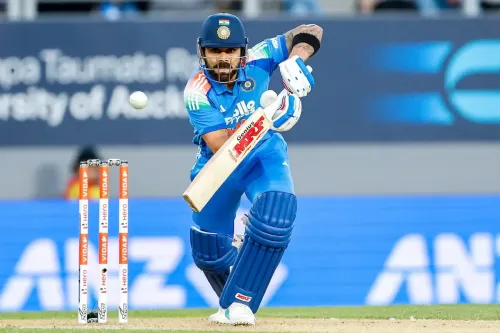
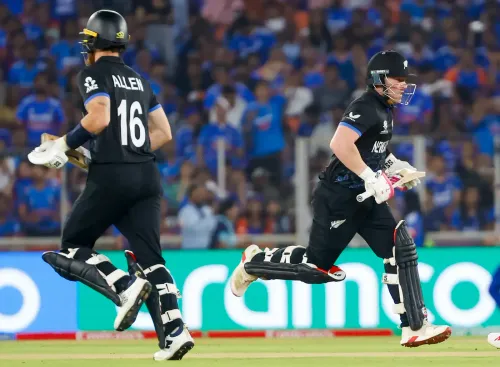
Tim Seifert: India bowl too well as a unit to target anyone individually

Synopsis
New Zealand's Tim Seifert has candidly admitted there is no weak link to exploit in India's bowling attack — praising the unit's collective discipline as the chief reason his side trails 0-2. With senior players already released for the Tests, the remaining two ODIs double as early preparation for the 2027 World Cup.
Key Takeaways
Tim Seifert praised India's bowling unit at a press conference in Mount Maunganui on 12 November , saying no individual bowler can be singled out for targeting.
India lead the ODI series 2-0 ; the third match in Hamilton was washed out by rain.
Gurnoor Brar leads the series wicket tally with 7 scalps ; Arshdeep Singh , Anshul Kamboj , and Auqib Nabi also contributed to New Zealand's defeats in Auckland and Wellington.
Several New Zealand players have been released for the Test series starting 19 November , leaving a reshaped ODI squad for the final two games.
Seifert cited the 2027 Men's ODI World Cup as the broader goal, framing the remaining matches as a team-building exercise.
Seifert confirmed he will open the batting and keep wicket in the fourth ODI .
New Zealand wicketkeeper-batter Tim Seifert said on 12 November in Mount Maunganui that India's bowling attack was too well-rounded for the hosts to isolate any single bowler to target, crediting the visitors' collective discipline for keeping New Zealand under pressure throughout the ongoing ODI series.
India's Bowling Unit Leaves No Easy Targets
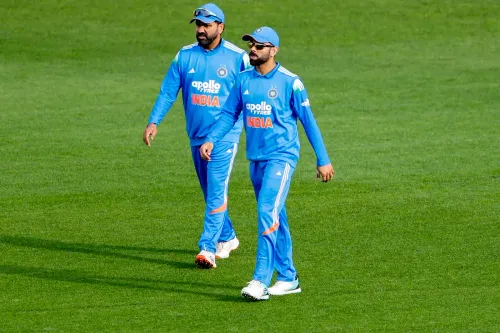
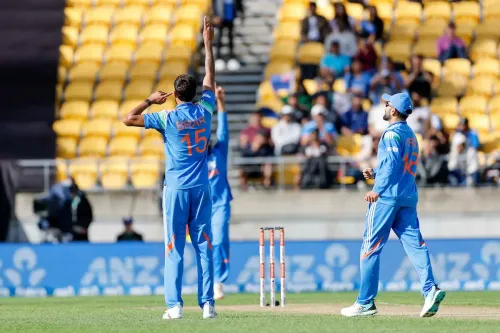
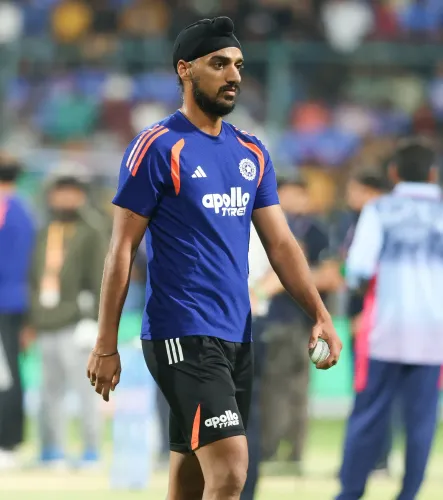
India currently hold a 2-0 series lead, with the third match in Hamilton washed out by rain. In both New Zealand defeats — in Auckland and Wellington — the hosts were undone by Indian pacers Arshdeep Singh, Anshul Kamboj, Auqib Nabi, and Gurnoor Brar, who leads the series wicket tally with seven scalps.
'They all bowl very well, they all do something slightly different. Having Arshdeep as a left-hander, I think it's crucial as well. But to be honest, they work well as a unit. They all do something a little bit different. To their credit, they didn't miss much on those wickets the last two games. I can't really target anyone individually; I think they do a very good job together,' Seifert said at the pre-match press conference ahead of the fourth ODI.
Tricky Conditions and a Changed Side
Seifert also acknowledged that pitch conditions had compounded New Zealand's struggles. 'It's good. I think look, obviously the result hasn't necessarily gone our way, but we've obviously been put in some tricky situations with the wickets as well. So, look, it's a new bunch of guys here. A few guys have left for the Test series starting on November 19, so we're just focusing on the next two games ahead,' he said.
The absence of several senior players — released for the upcoming Test series — means New Zealand are essentially fielding a reshaped squad for the final two ODIs. Seifert framed the remaining matches as a window for squad integration rather than a crisis of form.
World Cup 2027 and the Bigger Picture
Looking beyond the series result, Seifert pointed to the 2027 Men's ODI World Cup as the broader context for New Zealand's approach. 'We always look to try and go out there and win every game. Don't get me wrong, you want to win every series, but the big picture is obviously the World Cup coming up as well. So it's about learning and jellying as a team, and there's obviously a few changes as well, so it's giving those guys the opportunity,' he said.
He also expressed confidence in Fin Allen's ability to adapt to a middle-order role. 'He's a talented player. He's done very well for New Zealand also around the world. So with his skill set he can adapt wherever. It'll be exciting seeing him potentially come in the middle order,' Seifert added.
Seifert's Own Role: Opener and Keeper
Seifert, who has been opening the batting in the series — a departure from his usual middle-order berth — confirmed he would also keep wicket in the fourth match. 'I've enjoyed it. It's been a wee while — also opening the batting for the first time as well. My other games have been in the middle order, so it's been a new role as well, which I've enjoyed, and hopefully we can win a toss or have a good wicket. Yes, I will be keeping,' he said.
On the possibility of personnel changes on both sides, Seifert was philosophical: 'No matter who India play or whoever we play as well, we're out there for the challenge, and everyone's an international cricketer out there. Whoever steps into their role, they're gonna try their best — same with us.' With two ODIs still to play, New Zealand face a tall order against an Indian attack that has found considerable rhythm on New Zealand soil.
Point of View
It speaks to the depth India have quietly assembled in their pace attack beyond the established names. Gurnoor Brar's seven wickets are not a fluke; India have used this series to road-test a second-string pace unit and found it more than capable. For New Zealand, the 2-0 deficit matters less than the fact that this squad is mid-transition, with one eye firmly on 2027. The real test of their rebuild will come once the full-strength side reassembles — not in these final two ODIs.
NationPress
12 Nov 2026
Frequently Asked Questions
Why did Tim Seifert say New Zealand can't target India bowlers individually?
Seifert said India's bowling attack works as a cohesive unit, with each bowler offering something different, making it impossible to isolate a single weak link. He specifically highlighted Arshdeep Singh's left-arm angle as a key factor, adding that the Indian pacers showed excellent discipline on difficult wickets in both defeats.
Who is the leading wicket-taker in the India-New Zealand ODI series?
India's Gurnoor Brar leads the series with seven wickets. He has been supported by Arshdeep Singh, Anshul Kamboj, and Auqib Nabi, who collectively dismantled New Zealand's batting in Auckland and Wellington.
What is the current score in the India-New Zealand ODI series?
India lead 2-0. New Zealand lost in Auckland and Wellington, while the third ODI in Hamilton was abandoned due to rain. Two matches remain to be played.
How is New Zealand approaching the remaining ODIs given their squad changes?
Several senior players have been released for the Test series beginning 19 November, leaving a reshuffled ODI squad. Seifert said the team is using the final two games as a learning and bonding exercise with an eye on the 2027 Men's ODI World Cup.
What role will Tim Seifert play in the fourth ODI?
Seifert confirmed he will open the batting and keep wicket in the fourth ODI. He described opening the batting as a new role he has enjoyed, having previously batted in the middle order for New Zealand.