CM Rio backs women's role in leadership and decision-making
Synopsis
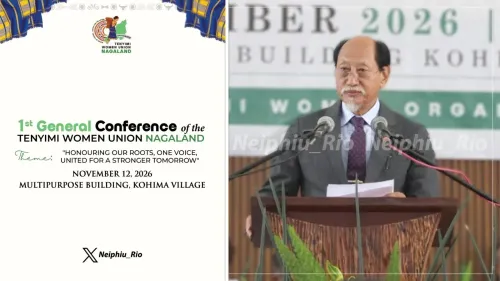
Nagaland Chief Minister Neiphiu Rio addressed a women's gathering on November 12, calling active female participation the foundation of societal progress and urging solidarity and dialogue — a statement that fits a long-running debate over women's representation in the state's tribal governance structures.
Key Takeaways
Nagaland CM Neiphiu Rio spoke at a women's gathering on November 12, 2026 , calling women's participation essential to societal progress.
Rio's remarks covered three domains: education, leadership, and decision-making .
He called on the gathering to 'promote solidarity, encourage dialogue, and collective progress in society.' Nagaland has a history of tension between customary tribal institutions and demands for formal women's representation in local bodies.
Rio leads the Nationalist Democratic Progressive Party (NDPP) and has served multiple terms as Chief Minister.
No specific follow-up legislative or policy measures were announced; watch for state-level moves on women's representation in local governance.
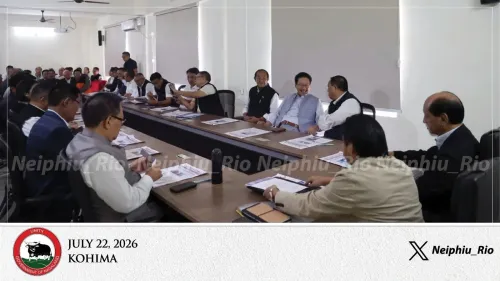
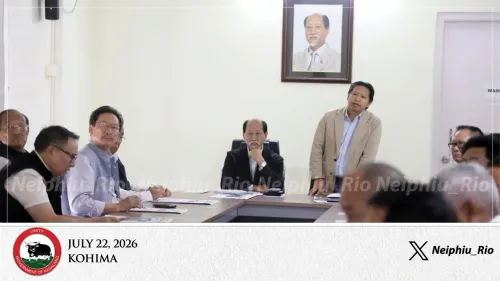
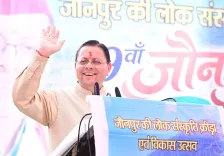
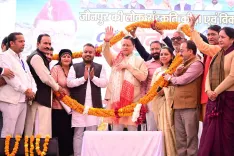
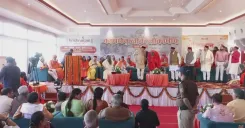
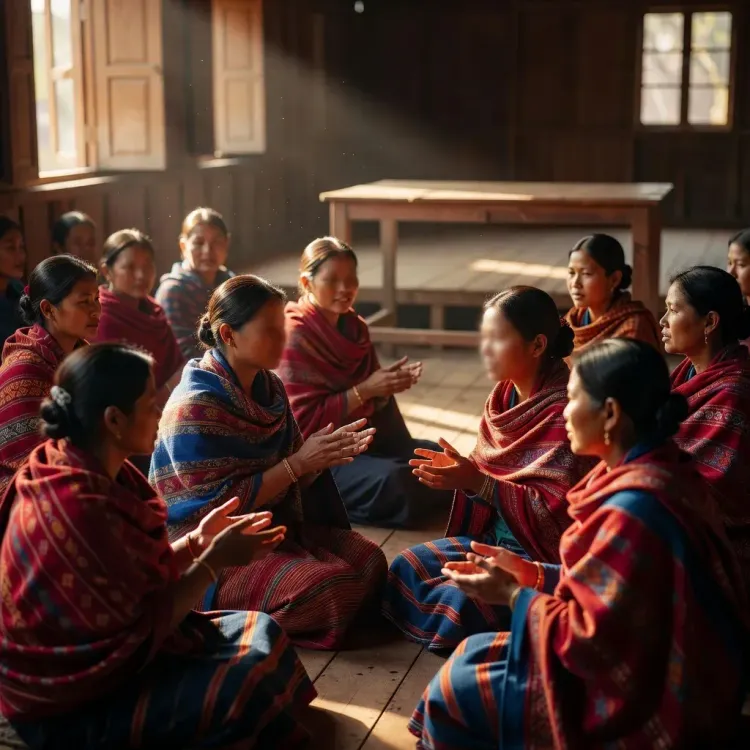
In a state where customary tribal laws have long defined the boundaries of public life, Nagaland Chief Minister Neiphiu Rio used a gathering of women on Thursday, November 12 to deliver a pointed message: progress is inseparable from women's participation.
Addressing what appeared to be a women's assembly, Rio posted on X: 'The progress of every society is strengthened by the active participation of its women. From education to leadership and decision-making, their contributions continue to grow. May this gathering promote solidarity, encourage dialogue, and collective progress in society.'
A message shaped by Nagaland's gender-inclusion debate
Nagaland occupies a distinctive position in India's gender-equity conversation. The state's tribal customary institutions — powerful bodies that have historically governed village affairs — have been a persistent point of friction with demands for formal women's representation in local bodies. The tension surfaced sharply during debates over Urban Local Body elections in the state, where the question of reserved seats for women collided with customary law. Rio's remarks, pitched at solidarity and dialogue, land squarely inside that ongoing negotiation. National-level pressure for gender parity in elected bodies has grown steadily, and Northeast India has increasingly become a focus of that push — with state governments asked to demonstrate how modern democratic norms and indigenous governance traditions can coexist. Rio's framing — spanning education, leadership, and decision-making — covers exactly the three rungs that women's rights advocates in the region have flagged as most critical.Rio's record on women's participation in Nagaland
As leader of the Nationalist Democratic Progressive Party (NDPP) and a figure who has served multiple terms in the state assembly, Rio has periodically issued statements and backed initiatives supporting women's roles in public life. The language he deployed on Thursday — solidarity, dialogue, collective progress — signals a continued effort to position the state government as receptive to gender-inclusive governance without directly challenging customary institutions head-on. Whether the gathering he addressed generates concrete follow-up — legislative moves, state-level policy, or new representation benchmarks — will determine whether the message lands as momentum or symbolism. The women in that room, and the advocates watching from outside it, will be taking note.Point of View
A posture consistent with how Nagaland's political leadership has navigated this fault line for years. The choice to frame the message around 'solidarity and dialogue' rather than legislative targets suggests the government is building social consensus before attempting structural change. As national pressure for women's reservation in local bodies grows, Rio's rhetorical positioning keeps Nagaland in step with the broader national gender-equity conversation while buying space to manage tribal stakeholders. The real test arrives when dialogue must convert into seats, laws, or quotas.
NationPress
12 Nov 2026
Frequently Asked Questions
What did Nagaland CM Neiphiu Rio say about women at the gathering?
Neiphiu Rio said that 'the progress of every society is strengthened by the active participation of its women' and called for the gathering to promote solidarity, encourage dialogue, and collective progress, covering women's roles from education to leadership and decision-making.
Why is women's representation a sensitive issue in Nagaland?
Nagaland's tribal customary institutions, which govern village and community affairs, have historically operated without formal female representation. Efforts to introduce reserved seats for women in Urban Local Body elections have clashed with customary law, making gender inclusion a long-running political and cultural negotiation in the state.
What is the NDPP's stance on women's empowerment?
The Nationalist Democratic Progressive Party under Rio has periodically issued statements and backed initiatives supporting women's participation in public life, though it has generally sought to advance gender inclusion without directly confronting customary tribal governance structures.
What should we watch for after Rio's women's gathering speech?
Observers will watch for any follow-up state-level policy, legislative moves on women's reservation in local bodies, or new representation benchmarks emerging from the Nagaland government in the weeks after Rio's remarks.