CM Conrad Sangma Disburses ₹2 Cr to 48 Eateries Under Wayside Amenities Scheme
Synopsis
Meghalaya CM Conrad Sangma handed ₹5 lakh each to 48 restaurants, dhabas and roadside stopovers across nine districts under the Enhancement of Wayside Amenities Scheme, disbursing over ₹2 crore to upgrade facilities and clean washrooms ahead of the 39th National Games 2027.
Key Takeaways
₹2 crore+ disbursed to 48 beneficiaries — restaurants, dhabas, cafés and roadside stopovers — across nine districts of Meghalaya.
Each establishment receives a flat grant of ₹5 lakh under the state's Enhancement of Wayside Amenities Scheme .
Scheme explicitly mandates that beneficiaries provide clean and accessible washroom facilities to tourists.
Investment is framed as part of Meghalaya's preparedness for the 39th National Games 2027 , extending the event's impact to tourism and local livelihoods.
CM Sangma urged all 48 beneficiaries to make optimal use of the assistance and maintain quality standards for visitors.
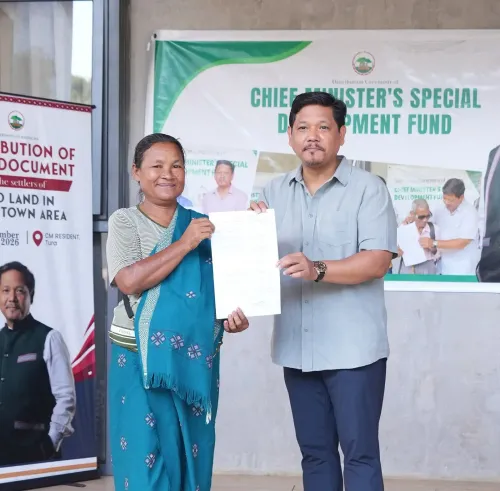
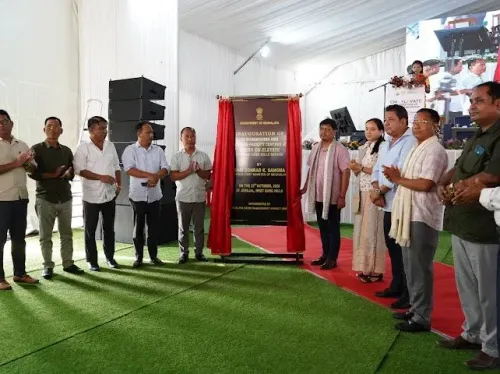
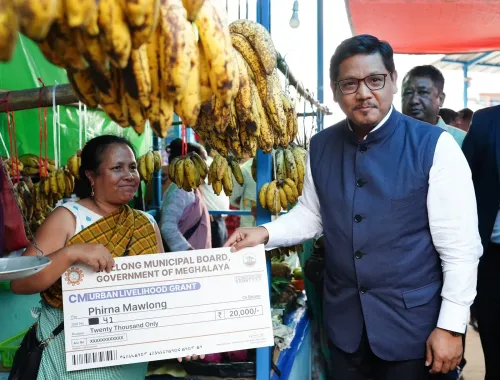
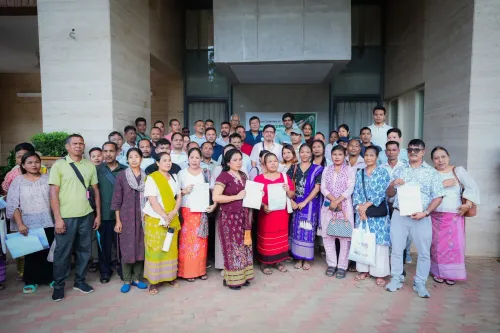
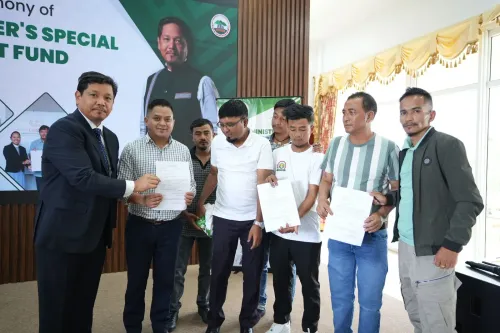
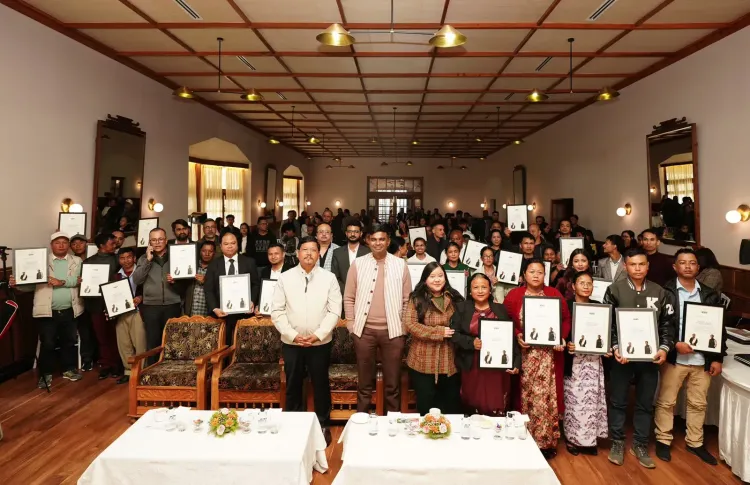
With the 39th National Games 2027 on the horizon, Meghalaya Chief Minister Conrad Sangma is betting that the real legacy of a sporting event can be measured in clean washrooms, upgraded dhabas, and livelihoods strengthened one roadside stopover at a time. On Thursday, November 12, 2026, Sangma handed over financial assistance of ₹5 lakh each to 48 shortlisted restaurants, dhabas, cafés, eateries and roadside stopovers across nine districts of Meghalaya under the state's Enhancement of Wayside Amenities Scheme — a total outlay of over ₹2 crore.
₹2 Crore Across Nine Districts: Who Gets What
The disbursement spreads the scheme's reach across the state's district geography, ensuring that the hospitality upgrade is not concentrated in a single tourism hub. Each of the 48 beneficiaries — spanning restaurants, dhabas, cafés and roadside stopovers — receives a flat ₹5 lakh grant to invest in facility improvements. The scheme's explicit focus includes better infrastructure, quality service standards, and critically, clean and accessible washroom facilities — a persistent pain point for tourists navigating Meghalaya's scenic but infrastructure-thin travel corridors.
National Games as the Engine Behind the Upgrade
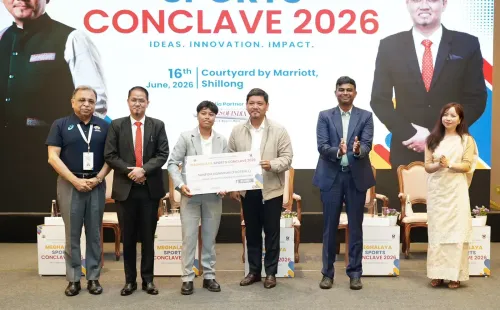
Sangma has framed the disbursement squarely within the state's National Games preparedness. 'As we prepare for the 39th National Games 2027, we want its impact to extend beyond sports to tourism, hospitality and local livelihoods,' he stated in his post. The logic is familiar in northeastern development policy: a marquee national event becomes the forcing function that unlocks infrastructure spending that would otherwise move slowly. Meghalaya has historically run successive programmes to improve visitor facilities around its natural attractions, and tying those upgrades to a fixed event deadline sharpens both urgency and accountability.
The Washroom Directive — and Why It Matters for Meghalaya Tourism
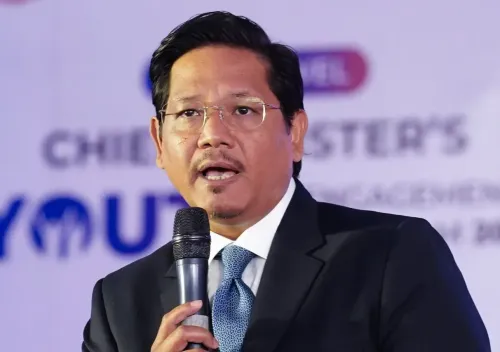
Sangma specifically urged all 48 beneficiaries to ensure 'tourists can access washroom facilities at government-supported establishments' — a pointed instruction that reveals where the visitor-experience gap is most keenly felt. Meghalaya, home to destinations such as Cherrapunji, Mawlynnong, and the living-root bridges of East Khasi Hills, draws visitors seeking natural landscapes, but basic amenity gaps have long constrained how long and how comfortably tourists stay. Addressing that through the hospitality supply chain — rather than standalone public facilities alone — is a pragmatic, market-linked approach.
Local Livelihoods at the Centre of the Sports-Tourism Bet
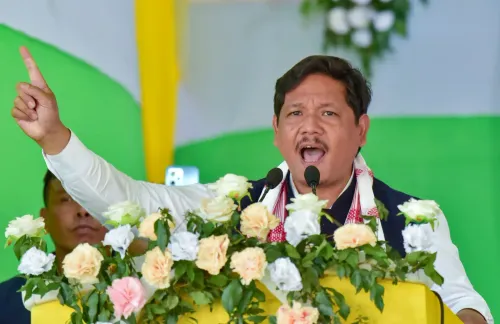
The Chief Minister closed with a vision statement: 'Let us build a welcoming and tourist-friendly Meghalaya, where the legacy of the National Games translates into lasting opportunities for our people and businesses.' That framing signals an intent to avoid the common post-Games fate of event infrastructure that serves a fortnight and then fades. By channelling investment into privately-run eateries and stopovers, the scheme embeds the upgrade into businesses that have a commercial incentive to maintain standards long after the opening ceremony wraps. The next question the state will face: whether further tranches of disbursement arrive in time to let beneficiaries complete upgrades ahead of the 2027 event calendar.
Point of View
Where a fixed deadline — the 2027 National Games — accelerates spending that might otherwise stall in bureaucratic cycles. By routing grants through private hospitality businesses rather than public works alone, Sangma's administration is creating a network of stakeholders with a direct commercial incentive to maintain upgraded facilities beyond the event window. The washroom-access directive is particularly telling: it reflects a data-informed acknowledgement that basic amenity gaps, not scenic shortfalls, are what suppress repeat tourism in northeastern states. Whether the scheme's reach expands in subsequent tranches will indicate how seriously the state treats this as a structural tourism investment versus a one-time pre-Games optics exercise.
NationPress
12 Nov 2026
Frequently Asked Questions
What is the Enhancement of Wayside Amenities Scheme in Meghalaya?
The Enhancement of Wayside Amenities Scheme is a Meghalaya state government initiative that provides financial grants to restaurants, dhabas, cafés and roadside eateries to upgrade their facilities, including washrooms, for the benefit of tourists and travellers.
How much money did Conrad Sangma distribute to eateries on November 12, 2026?
CM Conrad Sangma distributed over ₹2 crore in total, giving ₹5 lakh each to 48 shortlisted establishments across nine districts of Meghalaya under the Enhancement of Wayside Amenities Scheme.
What is the connection between the Meghalaya scheme and the National Games 2027?
CM Sangma has framed the scheme as part of Meghalaya's preparation for the 39th National Games 2027 , aiming to extend the event's impact beyond sports into tourism infrastructure, hospitality upgrades, and improved livelihoods for local business owners.
Which districts in Meghalaya benefit from the Wayside Amenities Scheme?
The scheme covers establishments across nine districts of Meghalaya, though the post does not specify each district by name.
Why is washroom access a focus of the Meghalaya wayside amenities grant?
CM Sangma specifically directed all 48 beneficiaries to ensure tourists can access clean washrooms at government-supported establishments, addressing a known gap in visitor amenities along Meghalaya's tourism corridors.