CM Bhajan Lal chairs heritage meet, vows global push
Synopsis
Chief Minister Bhajan Lal Sharma chaired a meeting with Rajasthan Dharohar Pradhikaran officials on 12 November 2026, directing conservation and global prestige-building for the state's historical and cultural heritage, linking preservation to future generations' identity.
Key Takeaways
CM Bhajan Lal Sharma held a meeting with Rajasthan Dharohar Pradhikaran officials on 12 November 2026 .
Directions were issued on conservation, promotion and development of Rajasthan's historical and cultural heritage.
The government's stated goal is to give the state's legacy 'a new identity and wide global prestige.' Six Rajasthan hill forts earned UNESCO World Heritage status in 2013 , forming the existing framework for heritage governance.
The Rajasthan Dharohar Pradhikaran oversees monument upkeep and heritage branding across the state.
Specific project announcements and funding details from the meeting are still awaited.
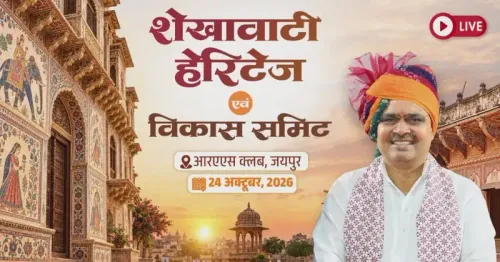
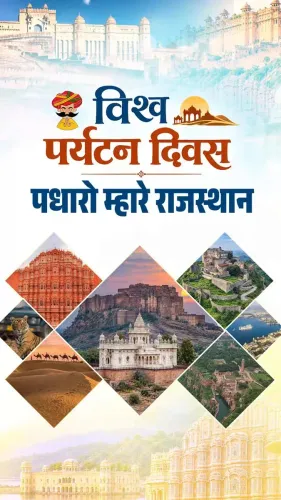
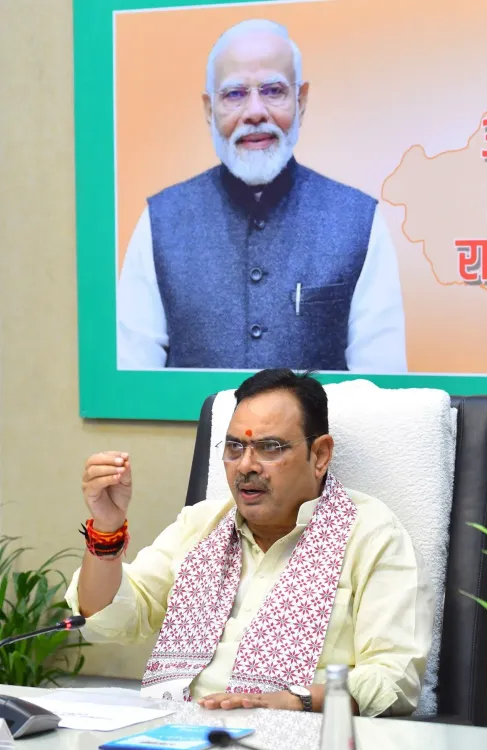
Rajasthan's centuries-old forts, palaces and living traditions have a new agenda item on their future: a government-driven push for global recognition. Rajasthan Chief Minister Bhajan Lal Sharma chaired a high-level meeting with officials of the Rajasthan Dharohar Pradhikaran on Thursday, 12 November 2026, issuing key directions on the conservation, promotion and development of the state's historical and cultural legacy.
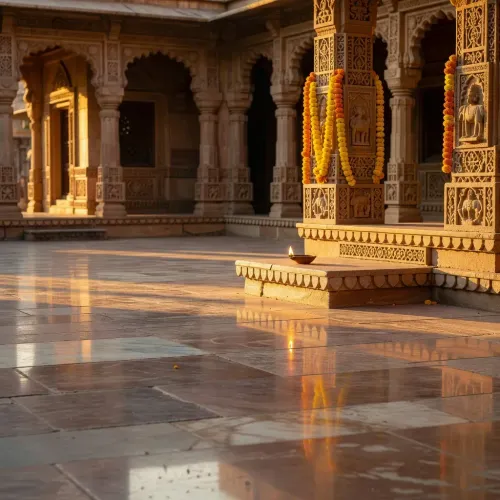
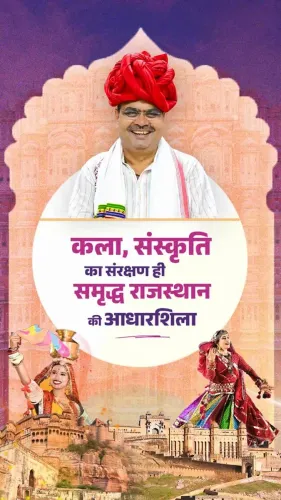
Sharma framed the state's heritage in unmistakably ambitious terms. 'Rajasthan ki gauravshali virasat' — Rajasthan's glorious heritage — he said, represents 'the priceless treasure of our rich history, unique architectural art and cultural splendour.' The government's stated resolve, he added, is not only to protect this legacy but to 'give it a new identity and wide global prestige, so that future generations can draw inspiration from their proud traditions and historical inheritance.'
What the Rajasthan Dharohar Pradhikaran does
The Rajasthan Dharohar Pradhikaran is the state-level authority mandated to manage heritage conservation, promotion and development across the state. Its mandate sits at the intersection of culture and economics — Rajasthan's historical assets are simultaneously points of civic pride and engines of its tourism economy. The authority coordinates physical upkeep of monuments while developing the narrative architecture that draws visitors and investors.
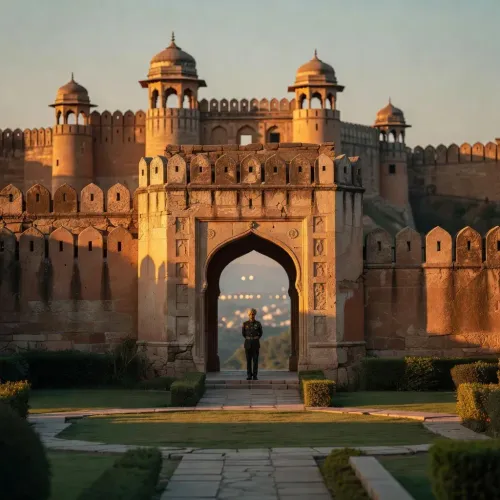
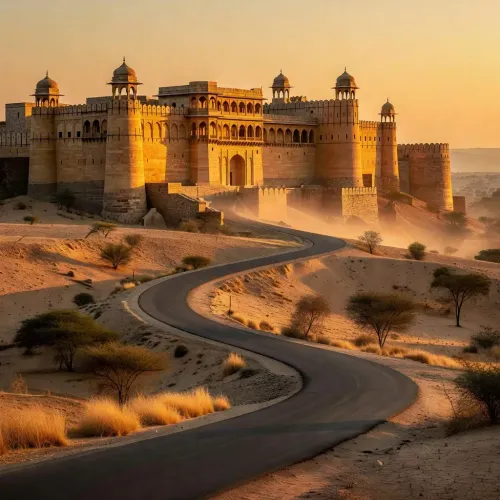
The stakes are considerable. Six Rajasthan hill forts — including Chittorgarh, Kumbhalgarh, Ranthambore, Gagron, Amber and Jaisalmer — received UNESCO World Heritage inscription in 2013, placing them on the global map and establishing the framework within which state-level heritage governance now operates. That inscription also raised the bar: global status demands globally-standard stewardship.
A long pattern, sharpened with intent
Rajasthan governments across administrations have long treated heritage sites as dual assets — cultural patrimony and tourism drivers simultaneously. The familiar playbook combines physical conservation with destination branding. What the current direction signals is an elevation of that ambition: from maintenance to prestige-building, from domestic recognition to a worldwide audience.
Sharma's directive to the Pradhikaran explicitly links preservation to legacy. The language of 'future generations' is deliberate — it ties the government's heritage work to identity, not just infrastructure. The meeting's outcome puts the authority on notice that the political leadership expects visible results, not just administrative continuity.
Specific projects, funding allocations and operational timelines from the November 2026 meeting are yet to be announced publicly — the Pradhikaran's follow-up will be the real test of intent. When those details land, they will reveal whether this meeting was a turning point or a restatement of a familiar goal.
Point of View
The Sharma government is signalling that Rajasthan's cultural identity is a strategic asset, not merely an administrative responsibility. This fits a broader BJP pattern of anchoring governance narratives in civilisational pride and soft-power projection. The move also has an economic logic: a stronger international profile for Rajasthan's monuments translates directly into tourism revenues and investment interest. The real measure of ambition, however, will come when the Dharohar Pradhikaran converts these directives into funded, time-bound projects.
NationPress
12 Nov 2026
Frequently Asked Questions
What is the Rajasthan Dharohar Pradhikaran?
The Rajasthan Dharohar Pradhikaran is the state government authority responsible for the conservation, promotion and development of Rajasthan's historical and cultural heritage sites.
Which Rajasthan forts have UNESCO World Heritage status?
Six Rajasthan hill forts — Chittorgarh, Kumbhalgarh, Ranthambore, Gagron, Amber and Jaisalmer — received UNESCO World Heritage inscription in 2013.
What did CM Bhajan Lal Sharma say about Rajasthan's heritage?
CM Bhajan Lal Sharma described Rajasthan's heritage as an 'invaluable treasure' of its history, architecture and culture, and said the government would work to give it a new identity and global prestige for future generations.
What decisions were taken at the Rajasthan heritage meeting on 12 November 2026?
CM Bhajan Lal Sharma issued key directions to Rajasthan Dharohar Pradhikaran officials on conservation, promotion and development of heritage sites; specific project details and funding allocations are yet to be announced.
Why is heritage conservation important for Rajasthan?
Rajasthan's forts, palaces and cultural traditions are both civic identity markers and major tourism drivers, making heritage conservation central to the state's economy and international profile.