T20 WC: What Key Advice Did Shastri Give to Abhishek After Two Ducks?
Synopsis
Ravi Shastri's insightful advice to Abhishek Sharma comes after two disappointing outings in the T20 World Cup. As the team looks to build momentum, can Abhishek find his rhythm again? Discover Shastri's thoughts and the impact of Ishan Kishan's stellar performance against Pakistan.
Key Takeaways
Ravi Shastri emphasizes patience for Abhishek Sharma .
Abhishek suffered two ducks in the T20 World Cup.
Ishan Kishan is in exceptional form, scoring 77 against Pakistan.
Kishan's performance has been crucial for India's success.
Shastri believes Abhishek can bounce back with time.
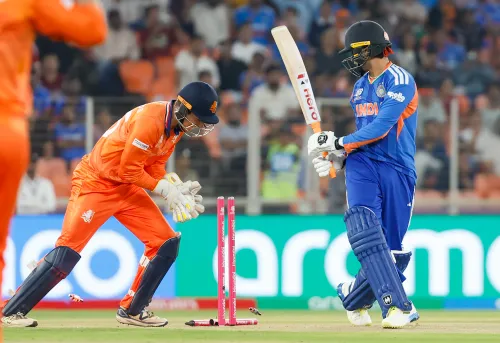
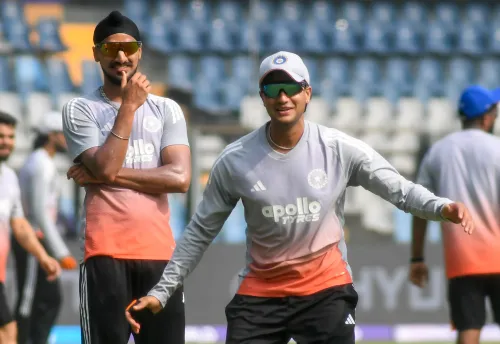
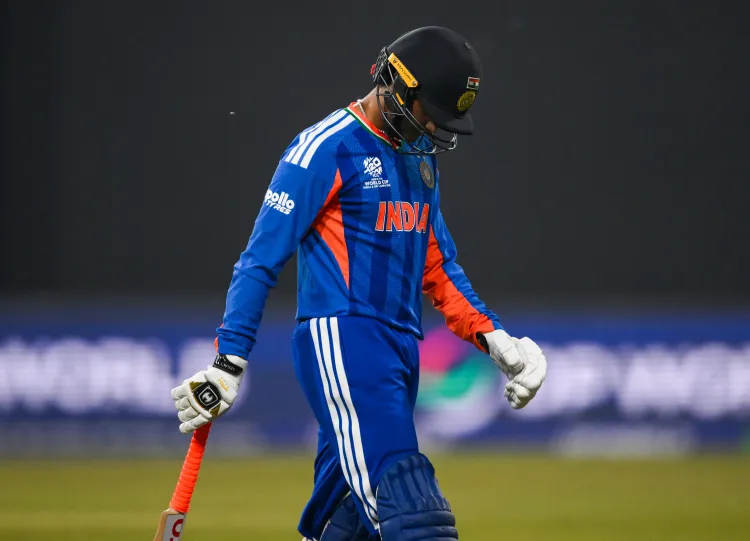
New Delhi, Feb 16 (NationPress) Former Indian cricketer and coach Ravi Shastri has emphasized the need for Abhishek Sharma to exercise a bit more patience at the beginning of his innings during the ongoing ICC Men's T20 World Cup. This comes after the opener faced his second successive dismissal for a duck in India's remarkable win over its longstanding rival, Pakistan.
Abhishek started his tournament journey with a golden duck against the USA in India's opening match. He was later hospitalized in New Delhi due to a stomach infection and missed the game against Namibia. Upon his return against Pakistan, he again fell for a duck.
Despite the world’s top T20I batter yet to score in two innings at the tournament, Shastri advised Abhishek to take his time at the crease, suggesting that scoring opportunities will become more abundant as he settles in.
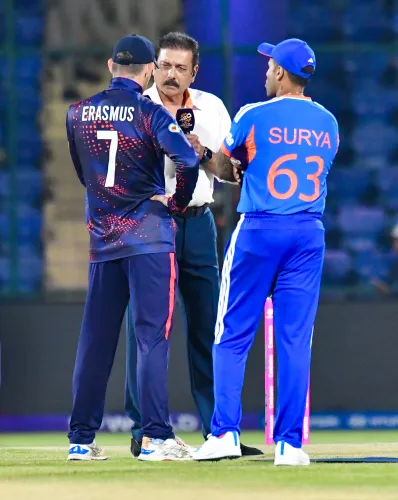
“I believe he's overdue for a score, but he just needs to give himself a bit more time. Such phases happen where one can be off their game, but he has to allow himself the necessary time to get back on track. Converting those dot balls into boundaries and sixes isn't challenging for him,” Shastri remarked after India’s victory over Pakistan, as reported by ICC.
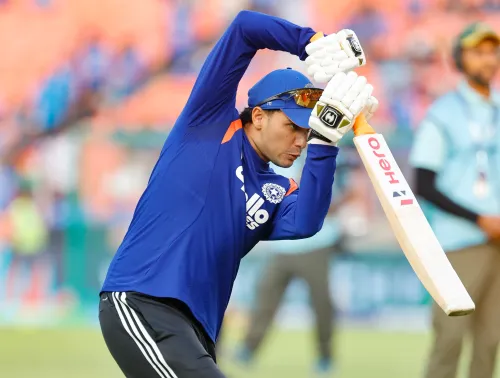
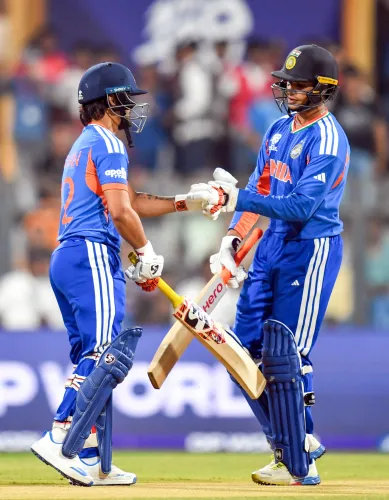
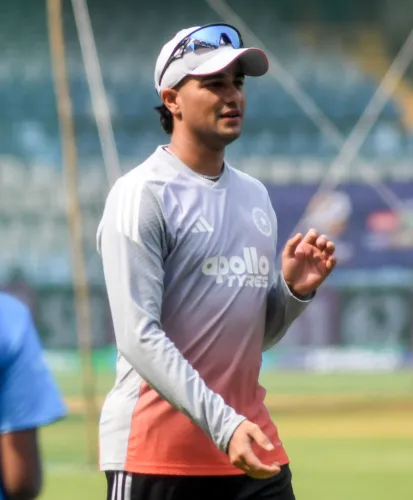
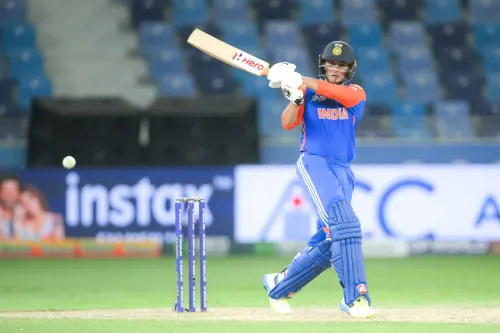
With Abhishek’s performance being below par, Ishan Kishan has stepped up significantly. Kishan was outstanding against Pakistan, scoring 77 from 40 deliveries, which included three sixes and ten fours, providing India the momentum it needed to reach 175/7—the highest score recorded in an India vs. Pakistan match at the T20 World Cup in Colombo.
This marked Kishan's second consecutive half-century at the T20 World Cup, and Shastri believes the impressive 27-year-old is currently performing at his peak.
“He is batting phenomenally right now. Striking at nearly 200 on that pitch in Colombo is extraordinary. Every batter faced challenges, whether Indian or Pakistani, due to the ball’s behavior, but his ability to strike effectively while quickly assessing the conditions was remarkable,” Shastri concluded.
Point of View
Particularly after such high expectations. As the national team navigates through the T20 World Cup, the focus should remain on fostering young talent while ensuring veterans like Sharma find their footing again.
NationPress
19 Sept 2026
Frequently Asked Questions
What did Ravi Shastri advise Abhishek Sharma?
Shastri advised Abhishek to be more patient at the crease and give himself time to settle in during his innings.
How did Abhishek perform in the recent matches?
Abhishek Sharma recorded two consecutive ducks in the tournament, first against the USA and then against Pakistan.
What was Ishan Kishan's contribution against Pakistan?
Ishan Kishan scored 77 runs off 40 balls, significantly contributing to India's total of 175/7.
Why is patience important for Abhishek Sharma?
Patience is crucial for Abhishek to find his rhythm and convert dot balls into scoring opportunities as he settles into his innings.
What is the impact of Shastri's advice on young players?
Shastri's advice emphasizes the importance of mental strength and patience, essential traits for young players facing high-pressure situations.