How is the Sports Governance Conclave Aligning Federations with the Viksit Bharat Vision?
Synopsis
Discover how the Sports Governance Conclave in Ahmedabad is shaping India's sporting future, aligning federations with the Viksit Bharat vision, and promoting athlete-centric reforms. Join the conversation on enhancing governance and international engagement in sports!
Key Takeaways
Aligning federations with national policies.
Promoting athlete-first reforms for better development.
Enhancing governance practices in sports.
Preparing for international events like the 2030 Commonwealth Games.
Strengthening collaboration among key stakeholders.
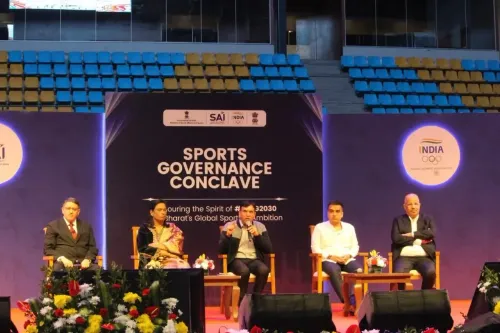
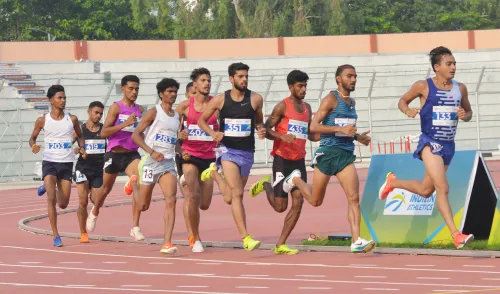
Ahmedabad, Jan 8 (NationPress) A Sports Governance Conclave is taking place at the Veer Savarkar Sports Complex to synchronize India's sporting framework with the national vision of Viksit Bharat. This vision acknowledges sports as a vital component for youth development, social cohesion, and global recognition. The conclave is timely as India's sports policy is transitioning towards long-term strategies, professional governance, and athlete-focused reforms.
Under the evolving Khelo Bharat Niti, the conclave aims to unite all National Sports Federations (NSFs) on a shared policy and planning platform. The focus is not on isolated events or short-term results, but on aligning federations with India’s long-term sporting aspirations, which include sustained excellence, global competitiveness, and institutional credibility.
A significant aspect of the conclave will be the promotion of athlete-first reforms across federations. The discussions will likely revolve around enhancing athlete development pathways, integrating sports science and medicine, and reinforcing grassroots systems to cultivate a robust talent pipeline. Additionally, governance reforms focusing on transparency, accountability, and professional management practices within federations will be emphasized.
The conclave will serve as a platform for a collaborative assessment of India’s readiness to host major international sporting events. With aspirations linked to the 2030 Commonwealth Games and a long-term Olympic vision, federations will clarify their expanded roles as stakeholders in global event hosting. Furthermore, the meeting aims to encourage NSFs to adopt a proactive approach in attracting international competitions to India.
Another crucial goal is to enhance coordination among the Government, the Indian Olympic Association (IOA), and the National Sports Federations. The IOA’s General Body Meeting, coinciding with the conclave, is anticipated to strengthen institutional alignment within the Olympic movement.
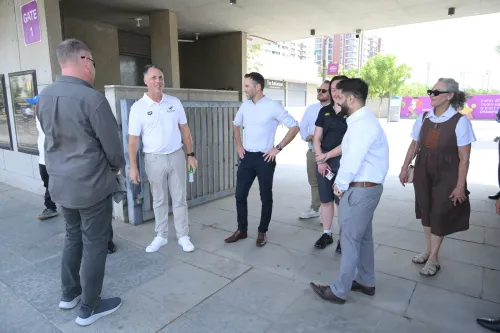
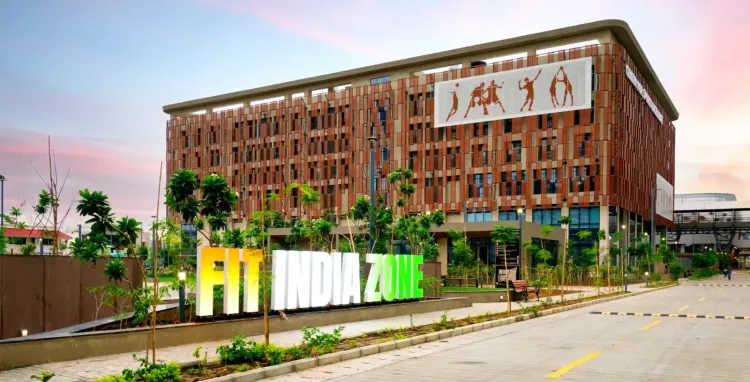
Choosing Ahmedabad as the host city highlights India’s growing confidence and capability to organize large-scale multi-sport events. Delegate visits to key sporting venues are scheduled to provide insights into infrastructure readiness and operational planning.
In conclusion, the conclave is expected to foster a shared understanding of India’s sporting roadmap, establish time-bound commitments to reform, enhance hosting capabilities, and strengthen international engagement by Indian sports federations.
Point of View
My perspective aligns with the nation’s commitment to sports as a vital tool for societal growth and international stature. The Sports Governance Conclave represents a significant step toward fostering unity among federations, enhancing athlete welfare, and positioning India as a leader in the global sports arena. This initiative reflects our dedication to a brighter future for Indian sports.
NationPress
25 Sept 2026
Frequently Asked Questions
What is the main purpose of the Sports Governance Conclave?
The primary aim of the Sports Governance Conclave is to align India's sports federations with the national vision of Viksit Bharat, focusing on long-term planning and athlete-centric reforms.
Which key stakeholders are involved in the conclave?
The conclave involves various stakeholders, including the Government, Indian Olympic Association (IOA), and National Sports Federations (NSFs), to foster collaboration and institutional alignment.
What are the expected outcomes of the conclave?
Expected outcomes include a shared understanding of India's sporting roadmap, enhanced hosting capability for international events, and strengthened governance practices within federations.
How does the conclave support athlete development?
The conclave emphasizes athlete-first reforms, focusing on enhancing development pathways, integrating sports science, and strengthening grassroots systems.
Why is Ahmedabad chosen as the host city for this conclave?
Ahmedabad has been chosen to showcase India's growing confidence and capability in organizing large-scale multi-sport events.