Is Beating Australia a Major Challenge for Oman in T20 WC 2026?
Click to start listening
Synopsis
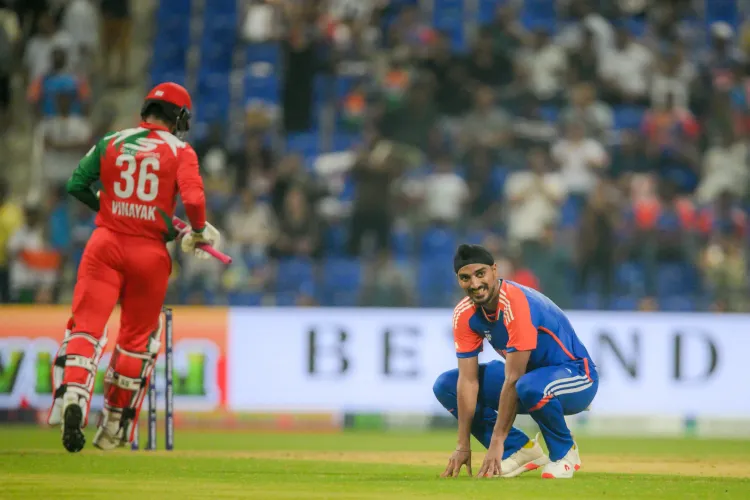
Vinayak Shukla's cricketing journey from Kanpur to vice-captain of Oman’s national team is inspiring. He shares insights on overcoming obstacles, the significance of mental toughness, and the honor of representing Oman, especially in the T20 World Cup. Can Oman beat Australia—his thoughts may surprise you!
Key Takeaways
- Vinayak Shukla’s journey exemplifies resilience in cricket.
- Oman’s preparation focuses on mental toughness and fitness.
- A mix of experience and youth strengthens the team.
- Interacting with experienced players enhances learning.
- Beating a team like Australia would be a major milestone.
New Delhi, Jan 25 (NationPress) Vinayak Shukla has taken a unique path in the realm of international cricket. Raised in the bustling streets of Kanpur during the early 2000s, Shukla honed his skills like many Indian cricketers—on the streets, where adaptability, quick reflexes, and instinct often outweigh conventional techniques. This unconventional approach later shaped his cricketing style, even as he faced challenges similar to those of the legendary Mahendra Singh Dhoni in the lower tiers of cricket.
Despite showing promise at the PAC Cricket Academy under coach Laikchand Rajput, Shukla was often overlooked for higher junior levels due to assumptions about his technical abilities. A serious hamstring injury in 2018 sidelined him for nearly seven months, becoming a pivotal moment in his career.
After a brief stint in Kenya was disrupted by the COVID-19 pandemic, Shukla eventually established himself in Oman. Now, he is considered one of the team's most dependable players, excelling as a wicketkeeper and a versatile batter, all while serving as the vice-captain of the national squad as they head into the World Cup.
In an exclusive chat with IANS, Shukla shared insights about his journey, the valuable lessons learned from Suryakumar Yadav and Hardik Pandya, and the aspirations of Oman in the T20 World Cup.
IANS: Can you describe your journey from the streets of Kanpur to representing Oman?
VS: My journey has been filled with ups and downs. I started playing in Kanpur, aspiring to represent my country despite numerous challenges. I am grateful for the chance to represent Oman; it’s a remarkable honor to don that red jersey.
IANS: Is it true that you didn’t get the gloves immediately when you began wicketkeeping in Oman?
VS: Yes, when I arrived, there were about four keepers in the team, and typically, only one can play. My captain was also a keeper, which limited my opportunities. For two years, I primarily fielded, akin to Dhoni's experience, but I’m thankful to the Oman coaching staff for finally trusting me with the gloves.
IANS: How has Oman prepared for the World Cup?
VS: Our preparation has been focused, with an intensive training camp at our base. We emphasized fitness and mental readiness, refining our technical skills, and bolstering our mental resilience.
IANS: What’s your assessment of the squad heading into the tournament?
VS: This squad is an excellent mix of experience and youth. Three players bring a wealth of international experience, while the younger players are eager to seize their first opportunity. The seasoned players will provide stability, while the youngsters will inject fearlessness. Our bowling is a significant strength.
IANS: During the Asia Cup, you spoke with several Indian players. What stood out?
VS: Interacting with Suryakumar Yadav was a fantastic opportunity. His insights about the mental aspects of the game, especially how to manage pressure, were invaluable. He’s not only a skilled batter but also the captain, which adds depth to his guidance.
IANS: Did you receive any specific advice from other Indian players?
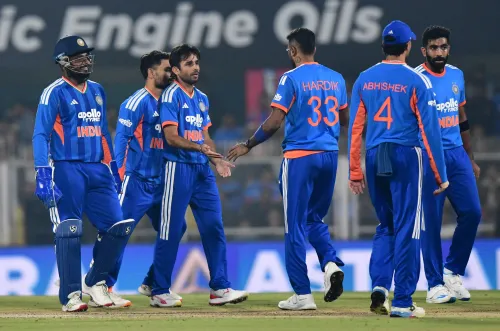
VS: I had a great conversation with Hardik Pandya, who emphasized focusing on the scoreboard rather than the opponent. This approach helps in strategizing effectively during the match.
IANS: What were your key learnings from the Asia Cup?
VS: For many of us, it was our first global event, and it was an incredible experience. We now understand how to handle pressure and execute crucial actions that can shift the game's momentum. Our focus is on the small details that can lead to significant impacts.
IANS: How do you view your role as vice-captain?
VS: Leadership is a responsibility, but it feels more like a privilege to me. My role is to support the captain and mentor younger players, ensuring everyone is prepared and confident before stepping onto the field.
IANS: This will be your fourth World Cup. How do things differ this time?
VS: Experience is vital. We are more strategic with our matchups and adaptable to conditions. It's about blending tactics with mental focus and recognizing key moments in the game.
IANS: How do experienced players assist youngsters in coping with losses?
VS: Winning and losing are integral to the game. Celebrating wins is essential, but losses can be tough. Seniors must communicate effectively with juniors to foster improvement.
IANS: Who do you perceive as Oman’s toughest opponent in the group?
VS: Every team in our group is formidable since they are all Test-playing nations, and we are the only associate country. However, if we manage to win against them, especially Australia, it would be a remarkable achievement for us, marking a significant milestone in our first World Cup.
IANS: You’re coming back from injury right before the World Cup. How crucial was rehab?
VS: Injuries are challenging, and rehab tests your patience. It took me around two months to return, and I owe it to our medical staff for their support. I feel fit and mentally prepared for the World Cup.
Point of View
It's vital to highlight the underdog story of Oman in the T20 World Cup. Vinayak Shukla's journey exemplifies resilience and determination in sports, showcasing how passion and hard work can lead to representation on a global stage. This narrative aligns with our commitment to promoting diverse cricketing talents.
NationPress
25/01/2026
Frequently Asked Questions
What is Vinayak Shukla's background?
Vinayak Shukla grew up in Kanpur, India, where he learned cricket on the streets, emphasizing adaptability and instinct.
What challenges did Shukla face in his cricket career?
Shukla faced challenges of being overlooked in age-group cricket and suffered a significant hamstring injury in 2018.
How has Oman prepared for the T20 World Cup?
Oman has focused on fitness and mental readiness, with specialized training camps leading up to the World Cup.
What is the significance of the T20 World Cup for Oman?
The T20 World Cup represents a major opportunity for Oman to compete against established Test-playing nations, boosting their cricketing profile.
Who are Oman’s toughest opponents in the World Cup?
Every team in the group poses a challenge, but Shukla emphasized that beating Australia would be a monumental achievement.