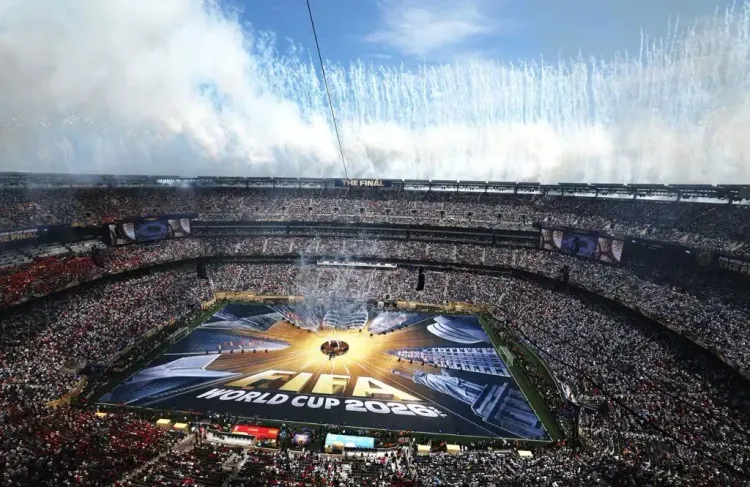
FIFA World Cup 2026: New format, star farewells and off-pitch storms
Synopsis
The 2026 World Cup rewrote the rulebook — literally. A 48-team field, three host nations, and a string of disciplinary controversies framed a tournament where Spain broke clean-sheet records, Mbappe hit 10 goals, and Ronaldo, Modric, and Neymar took their final bows. The biggest story: Spain denied Messi his last shot at glory.
Key Takeaways
The FIFA World Cup 2026 was the first staged across three countries — Canada , Mexico , and the United States — with an expanded 48-team format.
Spain broke the World Cup record for consecutive clean sheets, reaching six in a row ; goalkeeper Unai Simon 's shutout streak hit 609 minutes .
Kylian Mbappe finished as top scorer with 10 goals ; Lionel Messi scored 8 in what is likely his final World Cup.
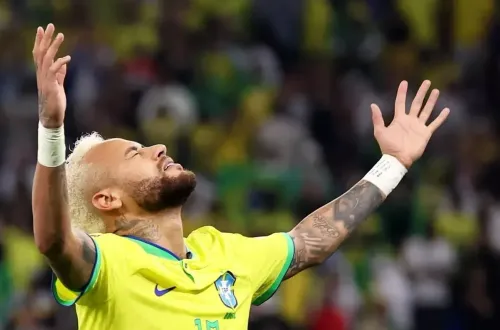
Cristiano Ronaldo , Luka Modric , and Neymar made their farewell appearances on the World Cup stage.
The Folarin Balogun ban reversal drew a sharp rebuke from UEFA , which called FIFA's move 'unprecedented, incomprehensible and unjustifiable.' Emerging talents Ayyoub Bouaddi (18, Morocco) and Yan Diomande (19, Cote d'Ivoire) announced themselves to the world.
The FIFA World Cup 2026 was unlike any before it — a 48-team tournament spread across three nations (Canada, Mexico, and the United States), the first in the competition's history to be co-hosted across multiple countries following the joint bid's victory at the 2018 FIFA Congress. From rule changes to record-breaking goalkeeping and emotional last appearances by football's greatest names, the tournament delivered on nearly every front.
A Tournament Built on New Rules
FIFA introduced three significant rule changes for the 2026 edition: an automatic red card for players who cover their mouths during on-field confrontations, mandatory hydration breaks in every match, and corner kicks awarded to attacking sides when goalkeepers hold the ball for too long. These were not cosmetic tweaks — each one generated headlines before the tournament was done.
The expanded format itself reshaped the competitive landscape, bringing in a wider variety of footballing cultures and philosophies than any previous edition.
Contrasting Styles on the Pitch
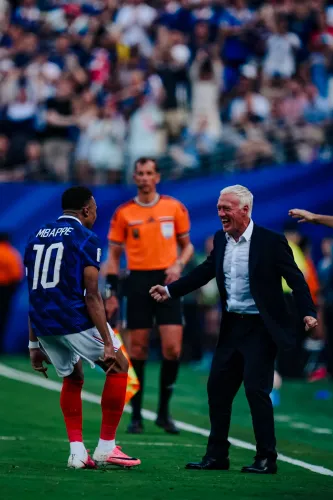
France built its campaign around a fearsome attacking trident of Kylian Mbappe, Ousmane Dembele, and Michael Olise, relying on pace and individual brilliance. Spain, by contrast, favoured patience and defensive solidity — and it paid off spectacularly. Spain's defence broke the World Cup record for consecutive clean sheets, reaching six in a row, a run that began at the 2022 World Cup. Goalkeeper Unai Simon's shutout streak extended to 609 minutes following the round-of-16 win over Portugal.
Morocco led Africa's charge with a model blending positional awareness, pace, and high pressing — a sharper, more aggressive evolution of the defensive discipline that had carried them to the 2022 semi-finals. South American sides showed flashes of brilliance, though former champions Brazil and Uruguay fell short of expectations.
New Stars Emerge
The tournament served as a launching pad for a new generation. Morocco's Ayyoub Bouaddi, just 18 years old and a Lille (Ligue 1) player, had represented France at youth level before FIFA approved his allegiance switch to the Atlas Lions in May. His composed performances reportedly drew interest from Manchester City and Arsenal.
Cote d'Ivoire's Yan Diomande, 19, justified pre-tournament expectations as his side reached the knockout rounds before falling to Norway via a late Erling Haaland goal. Colombia's Gustavo Puerta, the Racing Santander midfielder, was among the quieter standouts — his creativity and range of passing proved pivotal as Colombia advanced to the round of 16, where they were eliminated by Switzerland on penalties.
These arrivals coincided with landmark departures. Cristiano Ronaldo, Luka Modric, and Neymar all made their final appearances on football's biggest stage.
Controversy On and Off the Pitch
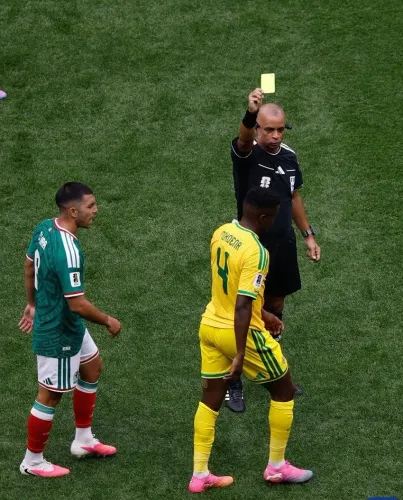
Paraguay's Miguel Almiron became the first player sent off under the new mouth-covering rule during the group stage. Türkiye defender Mert Muldur — who also plays for Atlanta United — received a one-match suspension that FIFA declared was not subject to appeal, ruling him out of Paraguay's final group match against Australia.
The most contentious episode involved United States forward Folarin Balogun, who was sent off for stepping on an opponent's ankle during the last-32 win over Bosnia-Herzegovina, triggering an automatic one-match ban. Days later, FIFA's disciplinary committee provisionally lifted the suspension, fining Balogun $40,000 and clearing him to face Belgium. The Belgian federation contested the reversal; FIFA's appeals committee dismissed the challenge less than eight hours before kickoff. UEFA publicly condemned the move, calling it 'unprecedented, incomprehensible and unjustifiable.' Balogun himself acknowledged the reversal 'would cause a lot of controversy.'
Golden Boots and a Champion's Lasting Story
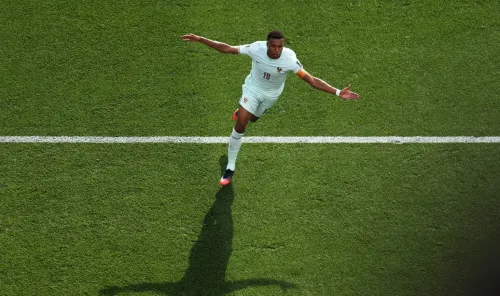
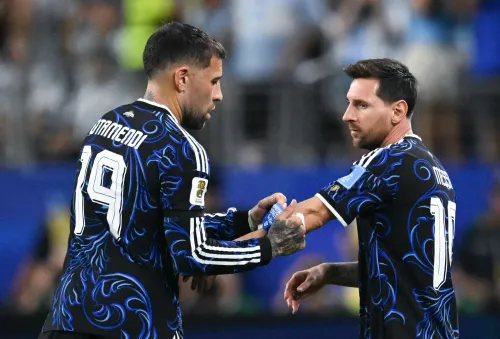
Kylian Mbappe finished as the tournament's top scorer with 10 goals. Eight-time Ballon d'Or winner Lionel Messi, playing in his sixth and likely final World Cup, scored 8 goals. Erling Haaland, Jude Bellingham, Harry Kane, and Mikel Oyarzabal also featured prominently in the Golden Boot race, collectively raising the bar for what a forward can produce at a major tournament.
It was Spain, however, that claimed the tournament's defining narrative — denying Messi one final glorious chapter and writing their own into World Cup history. The story of 2026 will be remembered as much for what it changed as for who won it.
Point of View
Particularly when a host nation's marquee player is involved. UEFA's unusually blunt language — 'unprecedented, incomprehensible and unjustifiable' — signals that the sport's European powerbase is no longer willing to absorb such episodes quietly. Meanwhile, Spain's triumph, built on defensive record-breaking rather than superstar firepower, challenges the prevailing narrative that the modern game belongs exclusively to the Mbappes and Messis. The 48-team format is here to stay, but the 2026 edition has also made clear that expanding the tournament without tightening governance is a recipe for more, not fewer, controversies.
NationPress
20 Oct 2026
Frequently Asked Questions
Why was the FIFA World Cup 2026 historic?
The 2026 World Cup was the first in the tournament's history to be hosted across three countries — Canada, Mexico, and the United States — and the first to feature an expanded 48-team format. The joint bid was awarded the hosting rights at the 2018 FIFA Congress.
What new rules did FIFA introduce at World Cup 2026?
FIFA introduced three new rules: an automatic red card for players who cover their mouths during on-field confrontations, mandatory hydration breaks in every match, and corner kicks awarded to attacking teams when goalkeepers hold the ball too long. All three rules generated controversy during the tournament.
What was the Folarin Balogun controversy at World Cup 2026?
US forward Folarin Balogun was sent off for stepping on an opponent's ankle in the round of 32 against Bosnia-Herzegovina, triggering an automatic one-match ban. FIFA's disciplinary committee later provisionally lifted the ban, fined him $40,000, and cleared him to play against Belgium — a decision UEFA condemned as 'unprecedented, incomprehensible and unjustifiable.'
Who were the top scorers at World Cup 2026?
Kylian Mbappe of France finished as the tournament's leading scorer with 10 goals. Lionel Messi, playing in what is likely his sixth and final World Cup, scored 8 goals. Erling Haaland, Jude Bellingham, Harry Kane, and Mikel Oyarzabal also competed for the Golden Boot.
Which veterans played their last World Cup in 2026?
Cristiano Ronaldo, Luka Modric, and Neymar all made what are expected to be their final appearances at a FIFA World Cup in 2026. Lionel Messi, who scored 8 goals across the tournament, is also widely expected to have played his last edition.