Is ‘Retire Out’ a Strategic Advantage for Teams in WPL 2026?
Click to start listening

Synopsis
Sophie Devine of Gujarat Giants champions the tactical use of ‘retire out’ dismissals in WPL 2026, suggesting it can enhance team momentum. As the trend grows, she stresses the importance of communication and a team-first mindset, while also advocating for changes in fielding rules to balance the game.
Key Takeaways
- Sophie Devine supports the use of 'retire out' as a strategic tool.
- Communication is essential for player understanding and morale.
- Adjustments to fielding rules could benefit the balance between batters and bowlers.
- The trend is gaining traction in both men's and women's cricket.
- Debates about the tactic highlight its evolving nature in the sport.
Navi Mumbai, Jan 15 (NationPress) Gujarat Giants (GG) all-rounder Sophie Devine has expressed strong support for the growing trend of ‘retire out’ dismissals. This rule enables teams to tactically withdraw batters during an innings, and Devine believes it should be embraced as a genuine strategic advantage for gaining momentum in matches.
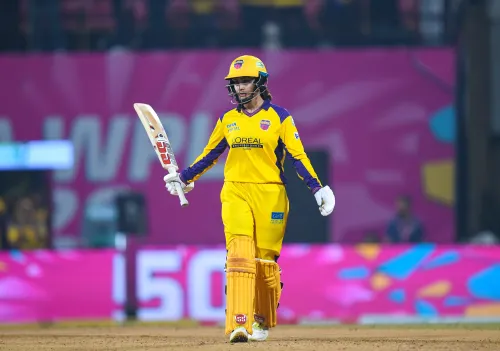
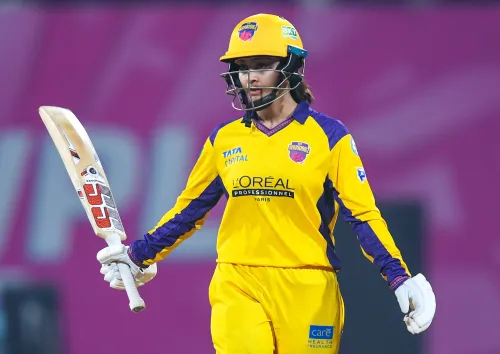
The Women's Premier League (WPL) 2026 has witnessed instances of GG's Ayushi Soni and UP Warriorz's Harleen Deol being retired out. So far in 2026, there have been eight retire-outs across both men's and women's T20 leagues. "It's going to spark a fair bit of debate in terms of how people view it. For me, it's just another tool and another strategic option to use to be able to retire people out."
“Ultimately, those choices are always made with the team's best interest in mind to gain momentum. Some people will appreciate it, while others may not. I think it's a fantastic option to utilize,” Devine stated during a virtual press conference on Thursday.
She highlighted the necessity for players to grasp the team-first mentality behind such decisions. "I hope players who find themselves retired out can view it positively, recognizing it as a contribution to the team's success.”
“It's a tough situation because it's never pleasant, but we will surely see more of it. The men's game is starting to adopt it as well, and I believe the women's game will follow,” she added.
“If players can maintain a good strike rate, the use of this rule may not be as frequent. It will be fascinating to observe how different teams incorporate it, but having it as an option should be regarded positively,” she remarked.
Devine acknowledged that not every retire-out decision would be flawless, saying, "You're not always going to get it right; that's just part of cricket. Whether it's the bowler you select or the shot you take, there will be times when decisions pay off and times when they don't.”
“We will see it becoming more prevalent in the game. The exciting aspect is how teams adapt it for their benefit, which may evolve slightly over time,” she concluded.
She also indicated her preference for the retire-out rule over the Impact Player rule utilized in men's T20 leagues. "I prefer the ability to retire players out rather than introducing an impact player because I appreciate the concept of being able to play all roles, or at least bat, and still contribute on the field.”
When questioned about managing players who are retired out, Sophie underscored the significance of clear communication before and after such decisions are made. "If I knew the best way to handle it, I’m sure many would follow suit. Communication is vital, ensuring players understand the rationale behind retiring someone out.”
"For me, it's all about prioritizing the team's needs. This communication should also include follow-up discussions post-game to address what could be improved and how players can continue to grow.”
"Effective communication is crucial, not just regarding retire-outs, but in various aspects where clarity can aid players in understanding their roles and responsibilities in different game situations,” she noted.
Sophie further advocated for revisions to fielding restrictions and boundary dimensions in women's cricket, arguing that the current rules disproportionately favor batters. "There should be a serious evaluation of the rule allowing four fielders outside the circle. We are nearing a point where we should align with men's cricket, allowing five fielders out on the boundary.”
"The women's game has demonstrated its power, and I don’t believe that having five fielders out would inhibit scoring opportunities.”
“Additionally, boundary sizes need to be reconsidered; they are slightly too small. Players are clearing boundaries by substantial margins, and the balance has shifted too much in favor of batters, especially on flat pitches that offer little assistance to bowlers.”
As an all-rounder, Devine appreciates the current conditions as a batter but understands the challenges they pose for bowlers. “It's a complex issue because, as a batter, I enjoy the short boundaries and having only four fielders out on good pitches. However, from a bowler's perspective, it’s quite demanding.”
“I believe there is a need for change, and we could easily implement measures like allowing five fielders out while ensuring minimum boundary sizes are set at around 60 yards. This adjustment would still permit players to hit boundaries while also encouraging running between the wickets and showcasing different skills beyond simply hitting the ball hard.”
“It can get repetitive when teams only score boundaries. It risks becoming a highlights reel rather than a nuanced game. There are significant opportunities to shift things and keep the game engaging for spectators. Yes, boundary scoring is thrilling, but cricket involves a range of skills,” she concluded.
Point of View
I believe Sophie Devine's insights highlight an important evolution in cricket strategy. The growing acceptance of 'retire out' dismissals reflects a shift towards more tactical gameplay, which can enhance both team performance and audience engagement. Encouraging clear communication about these strategies is vital for player morale and team cohesion.
NationPress
16/01/2026
Frequently Asked Questions
What is the 'retire out' rule in cricket?
The 'retire out' rule allows a team to withdraw a batter from the innings strategically, which can enhance team performance and momentum.
How has the 'retire out' rule been received in WPL 2026?
The rule has sparked debate among players and fans, with some viewing it as a tactical advantage while others are critical of its implementation.
What changes does Sophie Devine suggest for women's cricket?
Devine advocates for adjusting fielding restrictions and boundary sizes to create a more balanced playing field for both batters and bowlers.
Why is communication important in the context of 'retire out'?
Effective communication ensures players understand the reasoning behind decisions made, fostering a supportive environment and team-first mentality.
What impact could 'retire out' have on the future of cricket?
As teams continue to adopt this strategy, it could lead to more tactical gameplay, enhancing the complexity and excitement of matches.