Tamil Nadu wildlife census: 1,274 camera traps to scan Dharmapuri forests for tigers
Synopsis
Tamil Nadu is deploying 1,274 camera traps across all of Dharmapuri district's 1.72 lakh hectares of forest — the first survey of its kind — to answer a question that has never been formally examined: are tigers quietly moving through these corridors? With links to the Sathyamangalam Tiger Reserve confirmed, the answer could reshape conservation priorities for the entire region.
Key Takeaways
The Tamil Nadu Forest Department will deploy 1,274 camera traps across Dharmapuri district in its first-ever comprehensive wildlife census.
The survey covers approximately 1.72 lakh hectares of forest — over a third of Dharmapuri's total geographical area.
Conducted in partnership with the National Tiger Conservation Authority (NTCA) ; Dharmapuri and Krishnagiri are the only districts where NTCA will survey the entire forest area.
A key objective is to determine whether tigers are present; no sightings have been recorded so far, but forest connectivity with Sathyamangalam Tiger Reserve makes the investigation necessary.
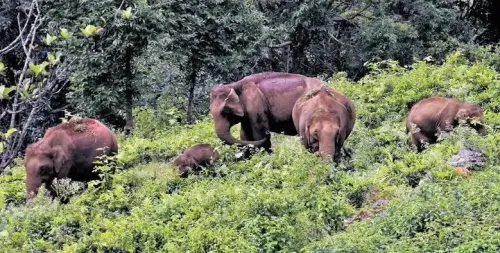
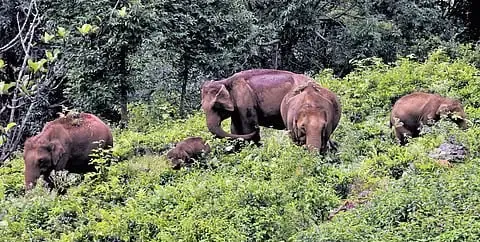
The Hogenakkal, Pennagaram and Palacode ranges support elephants, leopards, dholes and bears within the Cauvery South Wildlife Sanctuary .
Forest staff are currently undergoing training ahead of camera deployment; results will guide future conservation and conflict-management planning.
The Tamil Nadu Forest Department is set to launch a comprehensive wildlife census across Dharmapuri district's forests, deploying 1,274 camera traps in a first-of-its-kind survey to determine whether tigers inhabit the region and map the distribution of other wild animals. The exercise, undertaken in collaboration with the National Tiger Conservation Authority (NTCA), will cover the district's entire forest estate of approximately 1.72 lakh hectares — more than a third of Dharmapuri's total geographical area.
Scale and Scope of the Survey
Camera traps will be installed following a two-kilometre grid pattern, enabling systematic recording of animal movements across different forest stretches. Officials describe the planned exercise as the first comprehensive camera-trap survey of its kind in Dharmapuri, noting that despite the district's extensive forest cover and the presence of several significant species, detailed population data has remained limited until now.
According to forest personnel, Dharmapuri and Krishnagiri are the only two districts where the NTCA will conduct a census covering the entire forest area — not just designated reserves or sanctuaries. Staff members are currently undergoing training ahead of camera deployment across identified locations.
The Tiger Question
A central objective of the survey is to establish whether tigers are present in Dharmapuri's forests. Officials confirmed that no tiger sightings have been recorded in the district so far. However, Dharmapuri's forests share connectivity with both the Cauvery North Wildlife Sanctuary and the Sathyamangalam Tiger Reserve, where tiger movements have been reported — making a detailed investigation warranted, according to forest officials.
The findings will help determine whether tigers are using forest corridors within the district, a question with significant implications for conservation planning and human-wildlife conflict management in the region.
Key Wildlife and Forest Habitats
The Hogenakkal, Pennagaram and Palacode forest ranges form part of the Cauvery South Wildlife Sanctuary. These forests already support populations of elephants, leopards, dholes and bears, among other species. Officials noted that the survey's records would serve as a foundation for understanding Dharmapuri's wildlife richness beyond potential tiger presence, identifying habitats used by multiple species and guiding future conservation measures.
Conservation and Conflict Management
Beyond species enumeration, the census is expected to deliver practical benefits for on-ground forest management. Officials said the data would support habitat protection, improve understanding of how animals use the landscape, and equip forest personnel with actionable intelligence to address human-wildlife conflict — a persistent challenge across Tamil Nadu's forest-fringe communities.
This comes amid growing national emphasis on expanding tiger monitoring beyond formal reserves, with the NTCA increasingly extending survey mandates to corridor forests that link protected areas. The Dharmapuri census, once completed, could inform decisions on whether the district warrants enhanced conservation status or buffer zone designations.
Point of View
Tiger and biodiversity data has been confined to formal reserves, leaving vast connecting forests as blind spots in conservation planning. If the survey confirms tiger presence, it will add pressure to formalise corridor protections in a district where forest-fringe communities already live with elephant and leopard conflict. If it finds no tigers, that too is data — establishing a baseline that future surveys can measure against as climate and land-use pressures reshape the Sathyamangalam ecosystem.
NationPress
22 Oct 2026
Frequently Asked Questions
What is the Dharmapuri wildlife census and why is it being conducted?
The Dharmapuri wildlife census is a comprehensive camera-trap survey being undertaken by the Tamil Nadu Forest Department in collaboration with the NTCA to map animal species across the district's 1.72 lakh hectares of forest. It is the first survey of its kind in the district, aimed at filling critical data gaps on wildlife populations and supporting conservation and human-wildlife conflict management.
How many camera traps will be deployed and how will they work?
A total of 1,274 camera traps will be installed across Dharmapuri's forests following a two-kilometre grid pattern. The devices will automatically record animal movements, helping officials identify which species use different forest stretches and map their distribution across the landscape.
Have tigers been spotted in Dharmapuri's forests before?
No tiger sightings have been officially recorded in Dharmapuri so far. However, the district's forests are connected to the Cauvery North Wildlife Sanctuary and the Sathyamangalam Tiger Reserve — where tiger movements have been reported — making it plausible that tigers could be using corridor forests within the district.
Which forest areas and wildlife are covered by the survey?
The survey covers all forest areas in Dharmapuri district, including the Hogenakkal, Pennagaram and Palacode ranges that form part of the Cauvery South Wildlife Sanctuary. These forests are home to elephants, leopards, dholes, bears and several other species.
Is Dharmapuri unique in receiving this kind of full-district census?
Yes, according to forest officials, Dharmapuri and Krishnagiri are the only two districts in the country where the NTCA will conduct a wildlife census covering the entire forest area — not just protected reserves or sanctuary zones.