Karbi Anglong sets Guinness World Record with 15,000 folk dancers on 75th Day

Synopsis
On the 75th Karbi Anglong Day, 15,000 dancers turned a stadium in Assam into a Guinness World Record — not just a cultural spectacle, but a deliberate assertion of indigenous identity on a global stage, backed by both a Union minister and the district's autonomous council chief.
Key Takeaways
15,000 dancers from multiple tribes performed traditional Karbi folk dance at Diphu KASA Stadium on 17 November 2026 , setting a Guinness World Record .
The event was part of the 75th Karbi Anglong Day celebrations, organised by the Karbi Anglong Autonomous Council (KAAC) .
KAAC Chief Executive Member Tuliram Ronghang announced the achievement and called it 'a cherished chapter in the history of Karbi Anglong.' Minister of State for External Affairs Pabitra Margherita praised the event on social media platform X as 'a magnificent celebration of rich cultural heritage, unity and vibrant traditions.' The record is expected to boost visibility of Karbi culture and indigenous traditions from northeastern India on the global cultural map.
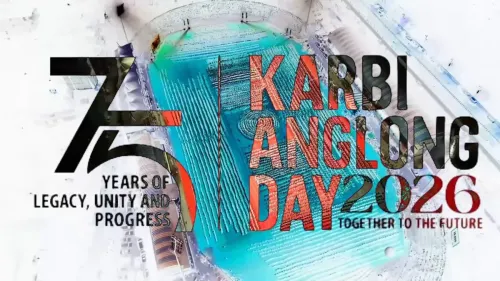
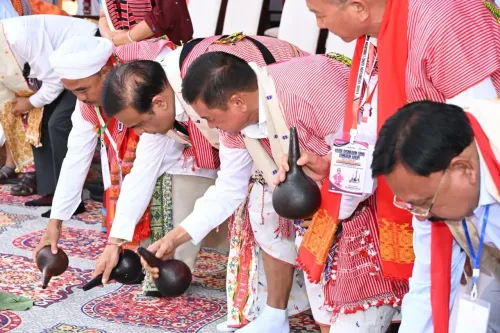
Around 15,000 dancers from different tribes and communities converged at the Diphu KASA Stadium in Assam's Karbi Anglong district on Tuesday, 17 November 2026, to set a Guinness World Record through a mass performance of traditional Karbi folk dance. The landmark achievement coincided with the 75th Karbi Anglong Day celebrations, putting the hill district's indigenous cultural heritage on the global map.
What Happened at Diphu
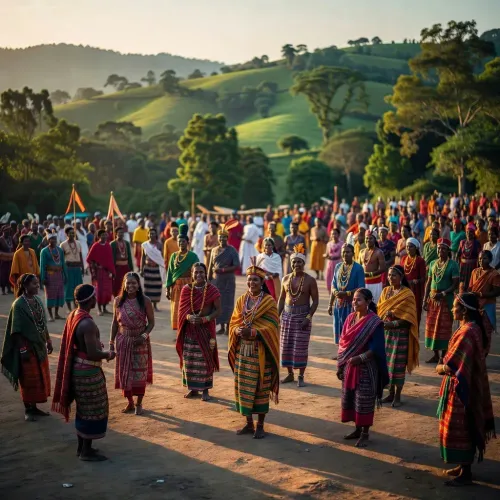
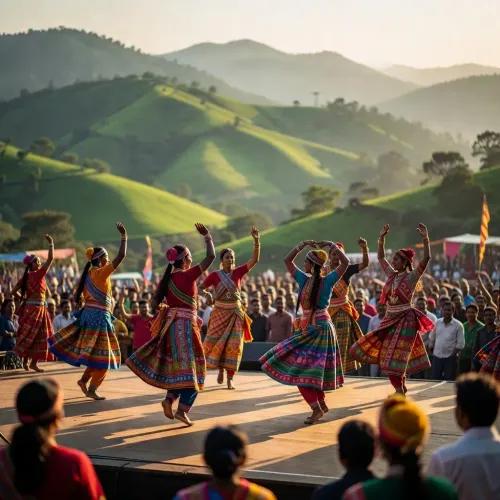
The Diphu KASA Stadium was transformed into a sweeping canvas of colour, rhythm and tradition as thousands of participants, dressed in vibrant ethnic attire, moved in perfect synchronisation to traditional Karbi music. The scale of coordination — 15,000 performers executing a unified folk dance routine — was described by attendees as an unprecedented display of community solidarity and collective cultural expression.
The event was announced by Karbi Anglong Autonomous Council (KAAC) Chief Executive Member Tuliram Ronghang, who called the achievement a moment of immense pride for the people of Karbi Anglong. Ronghang said the historic performance 'would remain a cherished chapter in the history of Karbi Anglong and serve as an inspiration for generations to come.'
What the Government Said
Minister of State for External Affairs Pabitra Margherita, in a post on social media platform X, described the moment as one of 'immense pride for Karbi Anglong.' He wrote: 'A moment of immense pride for Karbi Anglong! 15,000 dancers coming together in harmony to create a Guinness World Record is a magnificent celebration of the region's rich cultural heritage, unity and vibrant traditions.'
Margherita emphasised that the mass Karbi folk dance was 'a magnificent celebration of the region's rich cultural heritage, unity and vibrant tradition,' lending Union government endorsement to what was primarily a grassroots cultural assertion.
Significance of the 75th Karbi Anglong Day
The 75th Karbi Anglong Day marks a milestone in the administrative and cultural journey of one of Assam's most prominent hill districts, home to the Karbi community alongside several other indigenous tribes. By anchoring the Guinness attempt to this anniversary, organisers elevated the record from a novelty performance to a statement of cultural continuity and ethnic identity.
Notably, the event brought together participants from multiple tribes and communities within the district, underscoring that the celebration was deliberately inclusive rather than exclusive to a single group. This dimension of inter-community participation adds weight to Ronghang's framing of the record as a symbol of unity.
Impact and What Comes Next
The Guinness World Record is expected to sharpen the global visibility of Karbi culture and indigenous traditions from northeastern India. Cultural observers note that such record-setting performances increasingly serve dual purposes: domestic pride and international soft-power projection for communities whose traditions have historically remained under-documented outside the region.
Ronghang congratulated all participants and organisers, expressing confidence that the achievement would inspire younger generations to engage with and preserve their ancestral art forms. The record-setting event is likely to draw renewed attention to Karbi Anglong as a destination for cultural tourism in Assam.
Point of View
But the choice to anchor it to the 75th Karbi Anglong Day is a deliberate act of cultural sovereignty — framing indigenous identity as achievement rather than heritage tourism. The involvement of a Union minister on X signals New Delhi's interest in soft-power narratives from the Northeast, a region where the Centre has historically struggled with the optics of cultural recognition. What this record does not resolve is the structural challenge: Karbi oral and performance traditions remain thinly documented and under-resourced beyond landmark events. The real test is whether this moment translates into sustained institutional support for traditional artists, or whether it stays a headline number on a stadium scoreboard.
NationPress
17 Nov 2026
Frequently Asked Questions
What Guinness World Record did Karbi Anglong set on 17 November 2026?
Around 15,000 traditional folk dancers from multiple tribes performed in unison at Diphu KASA Stadium in Assam's Karbi Anglong district, setting a Guinness World Record for the largest mass performance of traditional Karbi folk dance. The achievement was announced during the 75th Karbi Anglong Day celebrations.
Where did the Guinness World Record performance take place?
The record was set at the Diphu KASA Stadium in Karbi Anglong district, Assam. Diphu is the headquarters of Karbi Anglong and home to the Karbi Anglong Autonomous Council.
Who organised the 75th Karbi Anglong Day event?
The Karbi Anglong Autonomous Council (KAAC) organised the event, with Chief Executive Member Tuliram Ronghang making the formal announcement of the Guinness World Record achievement.
What did MoS Pabitra Margherita say about the record?
Minister of State for External Affairs Pabitra Margherita posted on social media platform X that the achievement was 'a moment of immense pride for Karbi Anglong' and described it as 'a magnificent celebration of the region's rich cultural heritage, unity and vibrant traditions.'
Why is the Karbi Anglong Guinness World Record significant?
The record places Karbi indigenous traditions on the global cultural map and is seen as a symbol of inter-community unity within the hill district. Cultural observers note it could boost awareness of northeastern India's tribal heritage and support cultural tourism in Assam.