Pakistani military ops displace 300 Mashwani families in Quetta, Balochistan
Synopsis
Pakistani military operations in Quetta's Panjpai area have uprooted around 300 Mashwani tribal families from Killi Muhammad Khail, leaving them without food, shelter, or water in cold, rainy conditions. The incident is not isolated — rights groups say thousands of families have been displaced across more than a dozen Balochistan districts over recent months, in a pattern critics call collective punishment.
Key Takeaways
Pakistani military operations in Killi Muhammad Khail, Panjpai , southwest of Quetta , have displaced approximately 300 Mashwani tribal families as of 7 November 2026 .
Displaced residents — including women, children, and elderly — face acute shortages of food, shelter, and clean drinking water amid rain and cold weather.
Clashes on Wednesday between Pakistani forces and armed men reportedly left one Frontier Corps soldier dead; an Afghan refugee camp nearby was also cordoned off.
The Pashtunkhwa National Awami Party condemned the displacement as 'outright injustice,' demanding dignified return and humanitarian assistance for affected families.
The Baloch Yakjehti Committee (BYC) last month accused Pakistani authorities of displacing thousands of families across more than 14 named districts in Balochistan.
Similar displacement and access restrictions have also been reported in Gwadar's Shadi Kaur , where farmers have been barred from crops worth tens of millions of rupees .
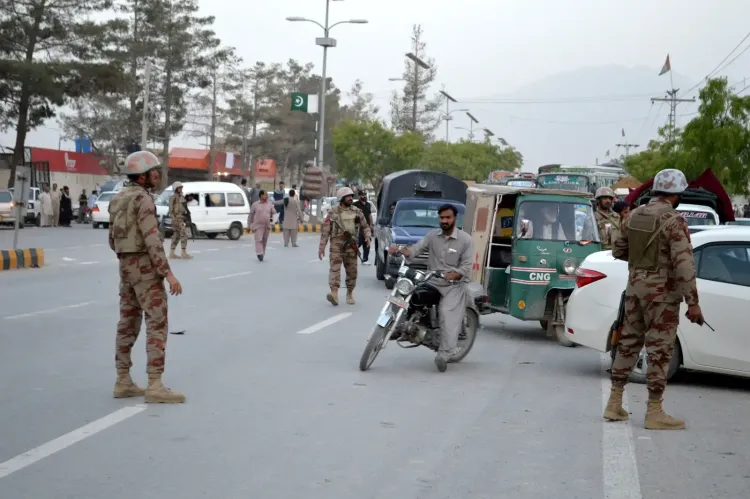
Pakistani military operations in Balochistan's Quetta district have forced approximately 300 Mashwani tribal families to abandon their ancestral homes, with the displaced facing acute shortages of food, shelter, and clean drinking water amid rain and cold weather, local media reported on Saturday, 7 November 2026, citing sources. The mass displacement, centred on Killi Muhammad Khail in the Panjpai area southwest of Quetta, marks one of the more visible flashpoints in an ongoing security crackdown across the province.
How the Displacement Unfolded
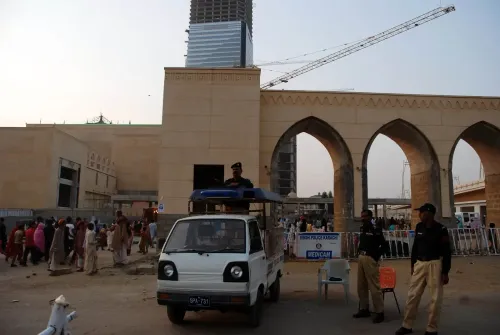
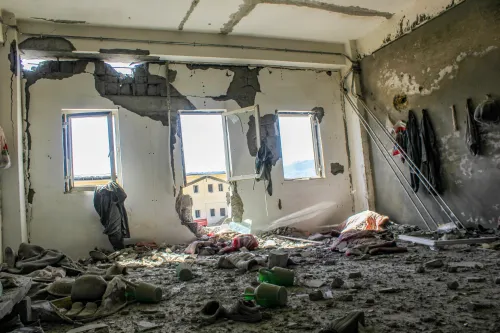
The families fled following several days of escalating tensions and military operations in Killi Muhammad Khail. According to reports, shelling by Pakistani forces and the deployment of heavy weaponry caused damage to multiple homes in the area. The displaced population includes women, children, and elderly residents, all of whom reportedly face severe shortages of food, shelter, and potable water.
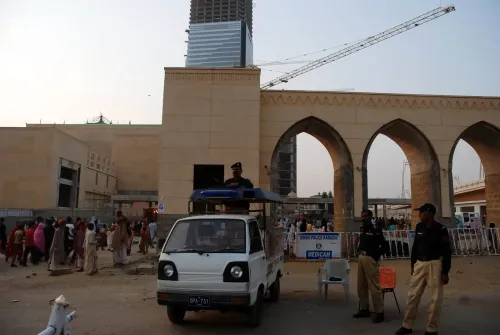
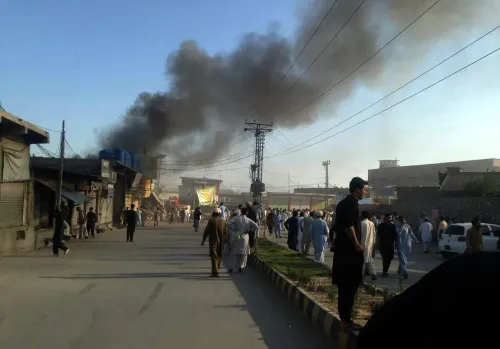
On Wednesday, clashes erupted between Pakistani forces and armed men in the same area, reportedly leaving one Frontier Corps (FC) soldier dead. Gunfire was subsequently heard near an Afghan refugee camp, which was cordoned off and whose residents were asked to evacuate, according to local sources cited by The Balochistan Post.
Political Condemnation and Demands
The Pashtunkhwa National Awami Party condemned the displacement, calling on authorities to protect residents rather than drive them from their ancestral areas. 'Evicting people from their homes and ancestral areas in the name of security is outright injustice and oppression,' the party said in a statement. It demanded that the state meet the basic needs of displaced families — including food, shelter, and healthcare — and facilitate their safe and dignified return.
The party maintained that combating militancy and protecting the civilian population were both the state's responsibility, arguing that 'innocent residents should not be subjected to collective punishment.'
A Wider Pattern Across Balochistan
The Quetta displacement comes against the backdrop of similar grievances in Gwadar's Shadi Kaur, where evictions and security-related restrictions have reportedly cut off residents from their homes and agricultural lands. Landowners, farmers, and tenant farmers have been prevented from accessing orchards and crops ready for harvest, with agricultural assets valued at tens of millions of rupees said to be at risk.
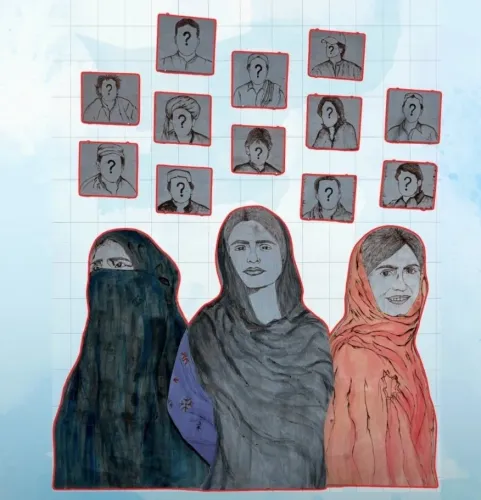
Last month, the human rights body Baloch Yakjehti Committee (BYC) accused Pakistani authorities of forcibly displacing thousands of families across Balochistan. 'For the past several months, thousands of families have been forcibly displaced from various areas of Balochistan. In areas such as Zehri, Sarawan, Kaland, Jiwani, Noshki, Chagai, Kharan, Mand, Dasht, Sani Shoran, Mangchar, Mastung, Mashkay, and many others, the Baloch people have been compelled to abandon their ancestral homes, while notifications to vacate have already been issued for several other areas. This list grows longer with each passing day, and no one knows which settlement's turn it will be tomorrow,' the BYC stated.
Humanitarian Concerns Mount
The scale of displacement — spread across more than a dozen named districts according to the BYC — signals that the humanitarian fallout from Balochistan's security operations extends well beyond any single incident. Families displaced from Killi Muhammad Khail told reporters they had 'nowhere to go' with their children and remained uncertain about when, or whether, they could return home. As winter sets in across the region, aid organisations and rights groups are expected to press harder for access to affected communities.
Point of View
Yet Pakistani authorities have offered no independent humanitarian access or accountability mechanism. The Pashtunkhwa National Awami Party's framing of 'collective punishment' resonates precisely because the pattern — shelling, cordon, evacuation order — recurs regardless of geography. Without external verification, the gap between the state's security rationale and the humanitarian cost on the ground will only widen.
NationPress
7 Nov 2026
Frequently Asked Questions
Why were the Mashwani tribal families displaced in Quetta?
The families were displaced by Pakistani military operations in the Killi Muhammad Khail area of Panjpai, southwest of Quetta. Reports indicate that shelling and the use of heavy weaponry damaged several homes, forcing around 300 families to flee amid escalating security operations.
What conditions are the displaced families facing?
The displaced Mashwani families — including women, children, and elderly residents — are facing severe shortages of food, shelter, and clean drinking water, compounded by rain and cold weather. Families reportedly have nowhere to go and remain uncertain about when they can return home.
What triggered the military operations in Killi Muhammad Khail?
On Wednesday, clashes broke out between Pakistani forces and armed men in the Killi Muhammad Khail area, reportedly resulting in the death of one Frontier Corps soldier. The operations intensified following those clashes, and an Afghan refugee camp nearby was cordoned off.
How have political parties responded to the displacement?
The Pashtunkhwa National Awami Party condemned the evictions as 'outright injustice and oppression,' demanding that authorities provide food, shelter, and healthcare to displaced families and ensure their safe return. The party argued that protecting civilians and combating militancy are both the state's duty.
Is this displacement part of a broader pattern in Balochistan?
Yes. The Baloch Yakjehti Committee (BYC) reported last month that thousands of families have been displaced across more than 14 districts in Balochistan, including Zehri, Noshki, Mastung, and Kharan, among others. Similar restrictions on access to homes and farmland have also been reported in Gwadar's Shadi Kaur.