Jamia Millia Islamia: 3,690 students and staff join anti-drug campaign
Synopsis
Over 3,690 Jamia Millia Islamia students and staff pledged against substance abuse on 3 August as PM Modi launched a 100-week, 10,000-location nationwide anti-drug campaign. The scale — spanning NSS volunteers, NGOs, and 125 spiritual organisations — signals one of the most institutionally broad youth-led social drives the government has attempted.
Key Takeaways
3,080 students and 610 staff of Jamia Millia Islamia participated in the anti-drug campaign on 3 August at Dr M.A.
Ansari Auditorium, New Delhi .
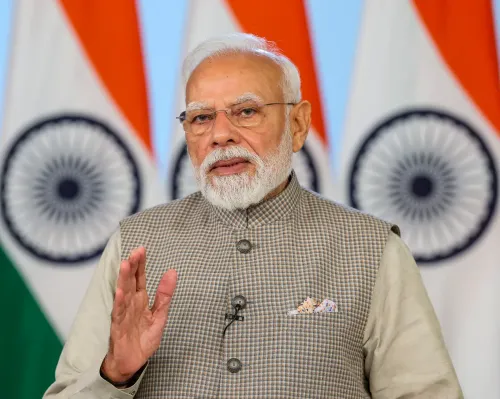
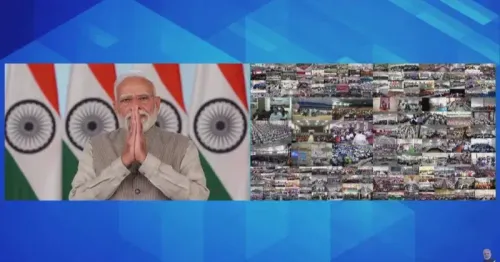
PM Narendra Modi launched the 'Nasha Mukt Yuva for Viksit Bharat Sankalp Abhiyan' via video conferencing on the same day.
The campaign spans 100 weeks with weekly Sunday activities at more than 10,000 locations across India.
Over 125 partner spiritual organisations , NSS volunteers, NGOs, and industry youth wings participated virtually.
Activities include walkathons, meditation sessions, nukkad nataks, art competitions, and community engagement programmes.
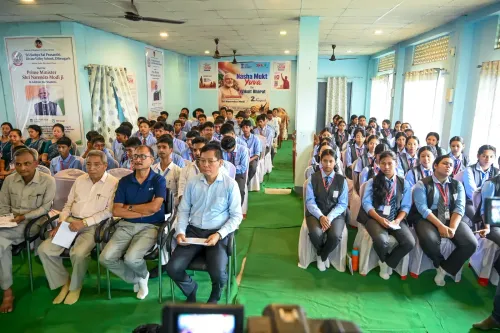
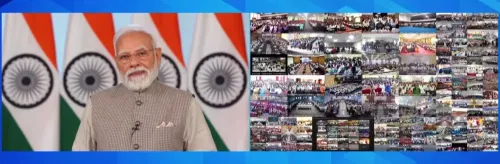
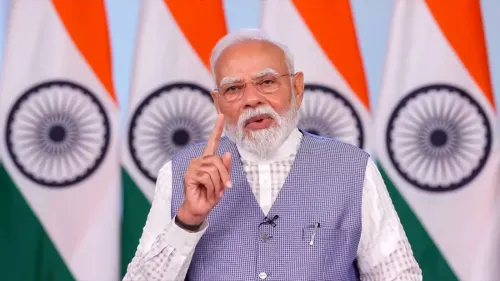
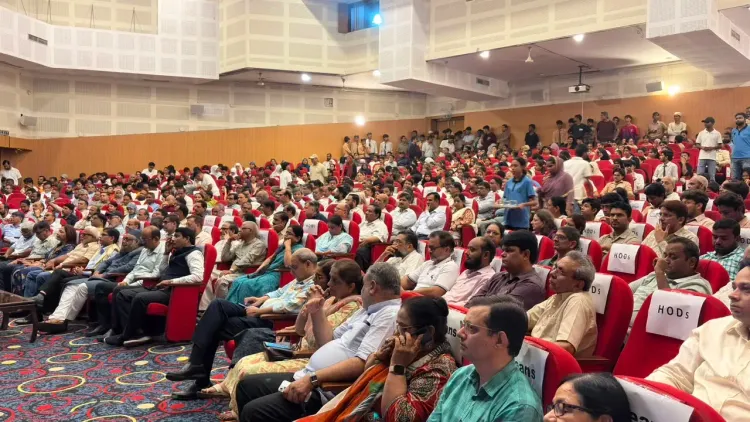
A total of 3,080 students and 610 staff members of Jamia Millia Islamia (JMI) gathered at the Dr M.A. Ansari Auditorium in New Delhi on 3 August to participate in the nationwide 'Nasha Mukt Yuva for Viksit Bharat Sankalp Abhiyan', a university statement confirmed. The event marked JMI's formal entry into a 100-week Jan Bhagidari campaign against substance abuse, launched by Prime Minister Narendra Modi via video conferencing on the same day.
How the Event Unfolded
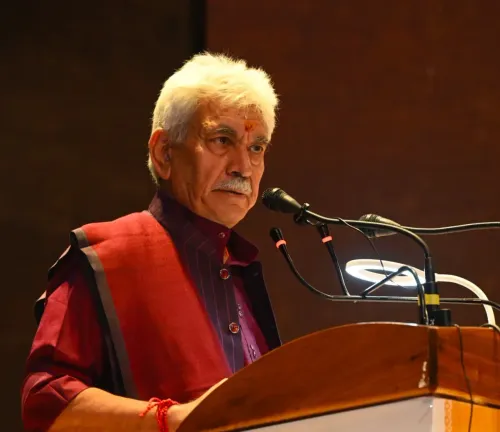
The programme was held in the presence of JMI Vice Chancellor Mazhar Asif and Registrar Md. Mahtab Alam Rizvi, along with university officers, faculty, and school and university students. It commenced with a live telecast of Prime Minister Modi's address, followed by the screening of a nukkad natak broadcast by the Narcotics Control Division (NCD), New Delhi.
Participants took a nationwide pledge against substance abuse, reaffirming their commitment to spreading awareness about the harmful effects of drug abuse and encouraging young people to adopt a healthy, addiction-free lifestyle, according to a statement issued by JMI Chief Public Relations Officer Saima Saeed.
Scale of the National Campaign
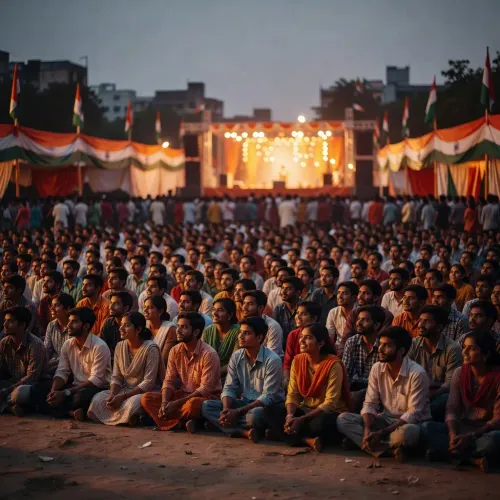
The campaign was simultaneously observed at more than 10,000 locations across India. Participants included MY Bharat Volunteers, National Service Scheme (NSS) volunteers, youth clubs, schools, colleges, universities, NGOs, youth wings of industry associations, and more than 125 partner spiritual organisations, all joining virtually.
Under the campaign framework, weekly activities will be organised every Sunday across the country. These will include sports events, walkathons, meditation sessions, cultural programmes, awareness campaigns, nukkad nataks, discussion forums, art competitions, and community engagement programmes.
The Broader Vision
The initiative is designed to strengthen community participation by bringing together educational institutions, youth organisations, civil society groups, industry bodies, and spiritual organisations on a common platform. The programme emphasised the importance of collective action in realising the vision of a drug-free India under the broader Viksit Bharat 2047 mission.
This comes amid sustained government focus on youth-led social campaigns, with the anti-drug drive being one of the most expansive in terms of institutional reach. With weekly activities now scheduled through the 100-week calendar, the campaign's momentum and on-ground impact will be closely watched in the months ahead.
Point of View
690 people at a single university and 10,000 locations nationally is an impressive institutional footprint, but 100-week campaigns of this kind have historically struggled to sustain weekly momentum past the first month. The government's decision to anchor the drive in educational institutions and spiritual organisations is strategically sound — these are India's most trusted community nodes — but without verifiable outcome metrics on youth drug use, the campaign risks becoming a recurring pledge ceremony rather than a measurable public health intervention.
NationPress
18 Sept 2026
Frequently Asked Questions
What is the 'Nasha Mukt Yuva for Viksit Bharat Sankalp Abhiyan'?
It is a 100-week nationwide campaign against substance abuse launched by Prime Minister Narendra Modi via video conferencing on 3 August. The drive aims to build a drug-free India through weekly community activities every Sunday across more than 10,000 locations, aligned with the Viksit Bharat 2047 vision.
How many people from Jamia Millia Islamia participated in the campaign?
A total of 3,080 students and 610 staff members — over 3,690 people in all — from Jamia Millia Islamia participated at the Dr M.A. Ansari Auditorium in New Delhi on 3 August, according to a university statement.
What activities are planned under the 100-week campaign?
Weekly Sunday activities will include sports events, walkathons, meditation sessions, cultural programmes, nukkad nataks, discussion forums, art competitions, and community engagement programmes. The campaign brings together schools, colleges, NGOs, youth clubs, and spiritual organisations on a common platform.
Who organised the event at Jamia Millia Islamia?
The event was held in the presence of JMI Vice Chancellor Mazhar Asif and Registrar Md. Mahtab Alam Rizvi. Details were confirmed through a statement issued by JMI Chief Public Relations Officer Saima Saeed.
How wide is the national reach of this anti-drug campaign?
The campaign was simultaneously observed at more than 10,000 locations across India on its launch day. Participants included MY Bharat Volunteers, NSS volunteers, NGOs, industry youth wings, and more than 125 partner spiritual organisations joining virtually.