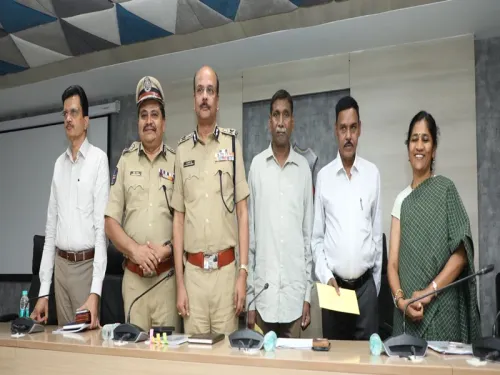
Telangana DGP reviews Maoist scenario; 820 cadres surrendered since 2024
Synopsis
With 820 Maoist cadres — including four Central Committee Members — and 334 firearms surrendered in just two years, Telangana's counter-extremism push is producing numbers that signal a structural collapse of the CPI-Maoist movement in the state. The DGP's review marks a pivot: from neutralisation to rehabilitation and a broader intelligence mandate for emerging digital-era threats.
Key Takeaways
Anand reviewed Telangana's Maoist scenario at the SIB headquarters, Hyderabad on 18 May .
A total of 820 underground CPI-Maoist cadres surrendered before Telangana Police between 2024 and 2026 , including four Central Committee Members .
334 firearms were surrendered, including 58 AK-47 rifles , 48 INSAS rifles , 50 SLRs , and six LMGs .
The DGP directed the SIB to ensure reskilling, job placement, and social reintegration of surrendered cadres.
Anand called on the SIB to expand its mandate to monitor social media, youth-related public order challenges, and emerging security threats.
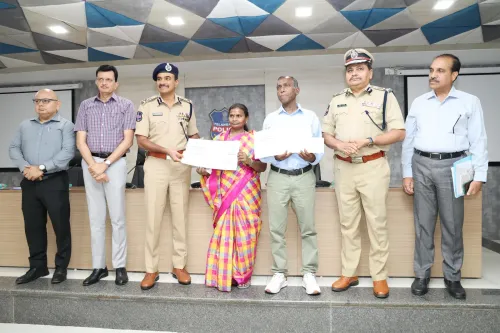
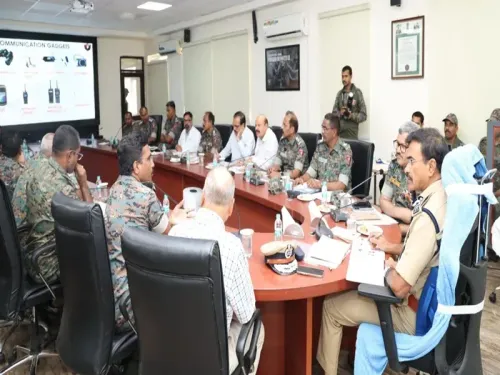
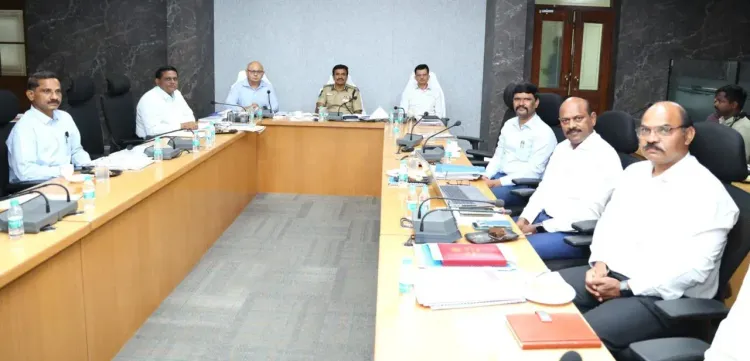
Telangana Director General of Police C.V. Anand on Monday, 18 May conducted a comprehensive review of the prevailing Maoist situation in the state at the Special Intelligence Bureau (SIB) headquarters in Hyderabad, assessing ongoing anti-extremist operations and intelligence initiatives aimed at addressing the state's security concerns.
Key Developments from the Review
The DGP met with SIB officers and staff during his visit. Additional DGP (Intelligence) Vijay Kumar and Inspector General of Police (Intelligence & SIB) Kartikeya were also present. Anand commended the SIB's sustained efforts in countering Left-Wing Extremism and facilitating what officials describe as large-scale surrenders of underground CPI-Maoist cadres.
Scale of Surrenders: 820 Cadres, 334 Firearms
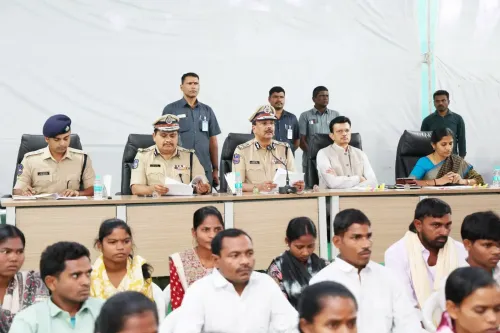
Between 2024 and 2026, a total of 820 underground Maoist cadres surrendered before the Telangana Police — a figure that includes senior-level operatives. Among those who surrendered were four Central Committee Members (CCMs), 22 State Committee Members (SCMs), one Regional Committee Member (RCM), 45 Divisional Committee Members (DVCMs), and 173 Area Committee Members (ACMs).
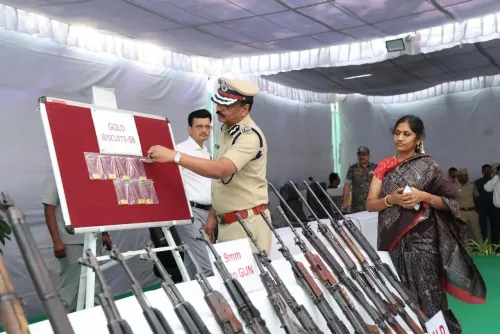
Alongside the surrenders, a total of 334 firearms were handed over, including 58 AK-47 rifles, 48 INSAS rifles, 50 SLRs, six LMGs, and other sophisticated weapons — underscoring the operational scale of what the SIB has characterised as a systematic dismantling of the armed Maoist movement in Telangana.
Rehabilitation and Reintegration Measures
Anand also reviewed the rehabilitation and reintegration support being extended to surrendered cadres, assuring that the Telangana Police would continue providing all necessary assistance for their social reintegration. He directed the SIB to monitor surrendered cadres closely and ensure access to reskilling, employment-oriented training, and job placement.
SIB's Evolving Mandate
Advising officers on the shifting security landscape, the DGP noted that with Maoism in apparent decline after four decades, the SIB must adapt to emerging challenges. He called on the bureau to assume a broader intelligence role — studying new patterns in social media, tracking social changes affecting public order, and focusing particularly on youth-related concerns. This comes amid a wider national trend of declining Maoist influence, with surrenders and neutralisations accelerating across multiple states in recent years.
The Telangana review signals that the state's counter-extremism strategy is transitioning from active combat operations toward consolidation, rehabilitation, and intelligence recalibration for future threats.
Point of View
Job placement, social reintegration — can keep pace with the surrender numbers is the question mainstream coverage has not yet asked.
NationPress
1 Oct 2026
Frequently Asked Questions
How many Maoist cadres surrendered in Telangana between 2024 and 2026?
A total of 820 underground CPI-Maoist cadres surrendered before Telangana Police between 2024 and 2026. The surrendering cadres included senior-level operatives such as four Central Committee Members, 22 State Committee Members, and 45 Divisional Committee Members.
What weapons were surrendered by Maoist cadres in Telangana?
A total of 334 firearms were surrendered, including 58 AK-47 rifles, 48 INSAS rifles, 50 SLRs, six LMGs, and other sophisticated weapons. The scale of the arms handover reflects the operational depth of the cadres who came forward.
What did Telangana DGP C.V. Anand instruct the SIB to do?
DGP Anand directed the SIB to closely monitor surrendered cadres, facilitate their reskilling and job placement, and support their social reintegration. He also called on the bureau to broaden its intelligence mandate to cover social media trends, youth-related public order issues, and emerging security challenges.
Why is the Telangana Maoist review significant?
The review marks a strategic shift from active counter-insurgency operations to rehabilitation and intelligence recalibration. With Maoist influence reportedly in decline after four decades, Telangana Police is repositioning the SIB to address future threats rather than the conventional armed Maoist challenge.
Who was present at the SIB review chaired by the Telangana DGP?
Additional DGP (Intelligence) Vijay Kumar and Inspector General of Police (Intelligence & SIB) Kartikeya were present alongside DGP C.V. Anand during the review at the SIB headquarters in Hyderabad on 18 May.