Omar Abdullah reviews Kheer Bhawani Mela arrangements in Ganderbal ahead of June 22
Synopsis
With the annual Kheer Bhawani Mela days away, J&K Chief Minister Omar Abdullah made a ground-level inspection of the Tullamulla shrine — not just as CM but as the local MLA. The festival, one of the most significant for the Kashmiri Pandit community, is also a rare living symbol of Kashmir's plural heritage, with local Muslims traditionally playing a central role in welcoming returning Pandits.
Key Takeaways
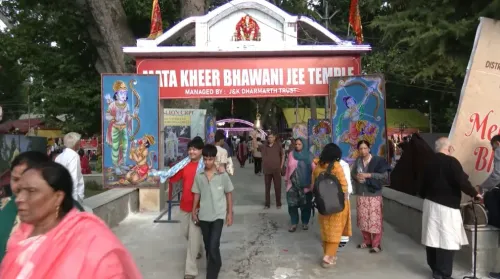
Omar Abdullah inspected Kheer Bhawani Mela arrangements at Tullamulla , Ganderbal on 18 June 2025 .
The annual Mata Kheer Bhawani Mela is scheduled for 22 June , coinciding with Jyeshtha Ashtami .
Abdullah directed officials to complete all pending works before the festival and assured smooth arrangements for pilgrims.
Satellite celebrations will also be held in Kupwara , Anantnag , and Kulgam .
The mela is one of the largest gatherings for the Kashmiri Pandit community, with thousands travelling from across India.
Local Kashmiri Muslims traditionally participate in arrangements, reflecting the festival's historic pluralistic character.
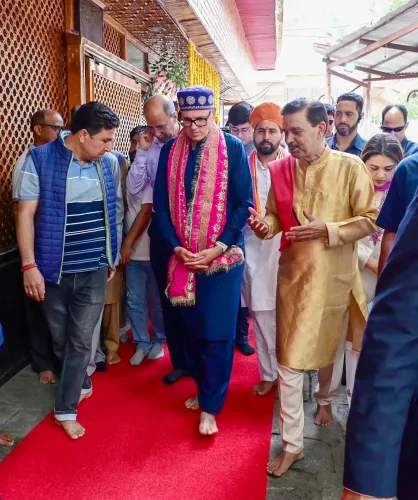
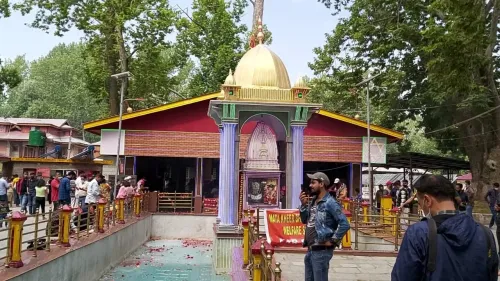
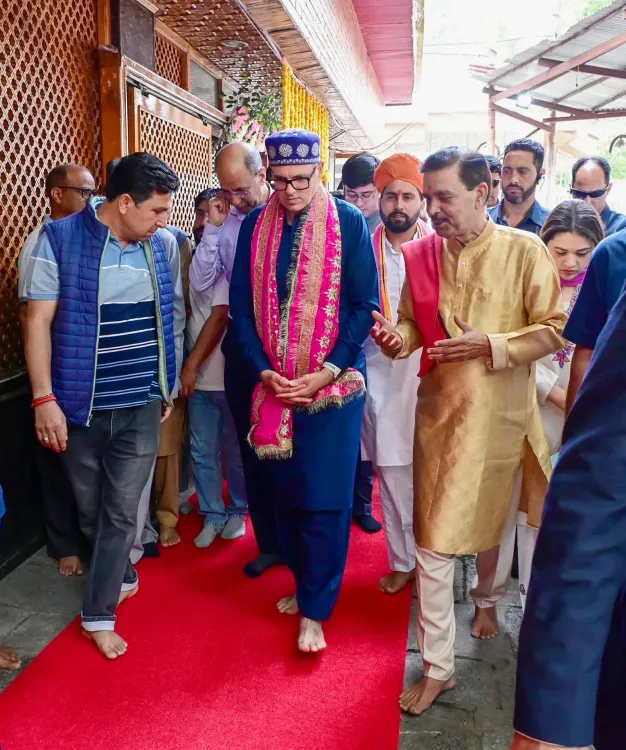
Jammu and Kashmir Chief Minister Omar Abdullah on Thursday, 18 June personally inspected preparations for the annual Mata Kheer Bhawani Mela at the revered shrine in Tullamulla, Ganderbal district, ahead of the festival scheduled for 22 June. Abdullah, who also represents Ganderbal as a Member of the Legislative Assembly, directed officials to expedite pending works and ensure all facilities are in place before the mela begins.
What Abdullah Found on the Ground
During his visit to the Kheer Bhawani Temple, the Chief Minister inspected amenities being readied for devotees expected from across India and abroad. He interacted with temple priests and other stakeholders to understand their requirements and flagged several works still requiring attention.
'June 22 marks the auspicious occasion of the Kheer Bhawani Mela, which attracts devotees from across the world,' Abdullah told reporters. He said he visited the shrine in his capacity as the local MLA to personally assess departmental preparedness.
Arrangements and Directives
The Chief Minister assured that the administration would make every effort to complete pending works before the commencement of the mela. He emphasised that ensuring smooth arrangements for pilgrims remains a priority and directed the concerned authorities to expedite the remaining tasks. Abdullah expressed confidence that basic amenities and logistical support for devotees would be in place well before the festival.
Significance of the Kheer Bhawani Mela
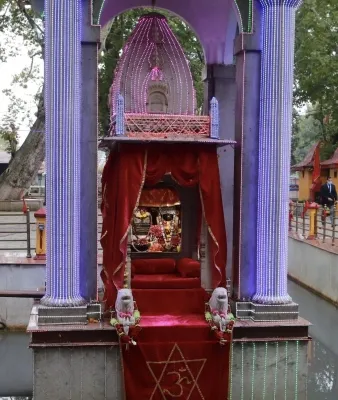
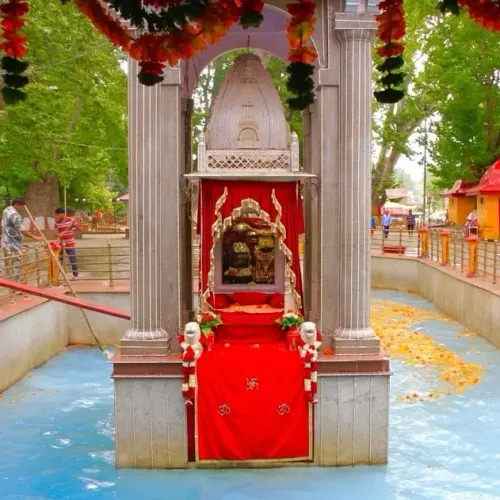
The Mela Kheer Bhawani is held annually on Jyeshtha Ashtami at the sacred shrine of Mata Ragnya Devi in Tullamulla, Ganderbal, and is one of the most significant religious gatherings for the Kashmiri Pandit community. This year's main festival on 22 June will be accompanied by satellite celebrations in Kupwara, Anantnag, and Kulgam across the Kashmir valley.
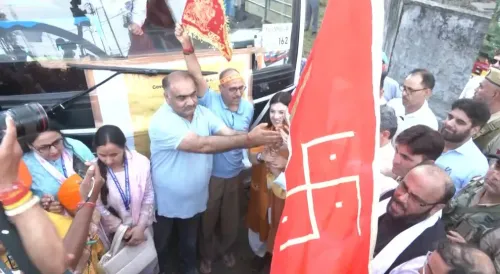
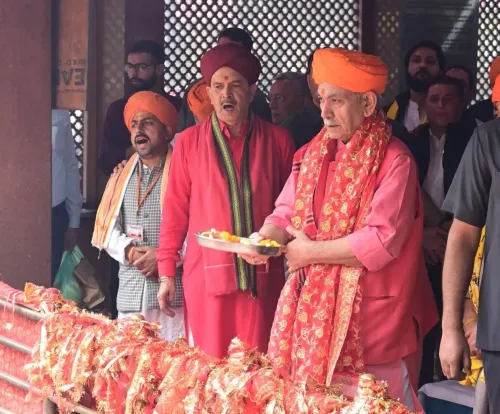
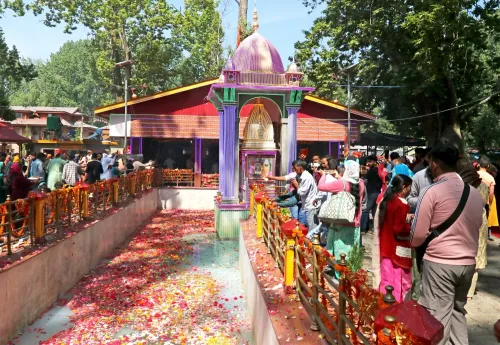
Thousands of devotees travel to the valley from across India each year, with official transit arrangements — including bus fleets flagged off from Jammu — typically organised by authorities. Devotees make offerings of milk, kheer (rice pudding), and sugar drops, floating them in the temple's natural spring.
A Symbol of Kashmir's Plural Heritage
The shrine is renowned for its sacred spring whose waters are believed to change colour — darker hues traditionally interpreted as an omen for troubled times, lighter shades as a sign of peace and prosperity. Beyond its spiritual significance, the mela embodies centuries-old pluralistic bonds: local Kashmiri Muslims traditionally assist with arrangements, set up refreshment stalls and langars, and welcome returning Pandits to the valley.
With the festival days away, all eyes will be on whether the administration delivers on the Chief Minister's assurances in time for the influx of pilgrims.
Point of View
But as a political statement about normalcy and inclusion in the valley. The Kheer Bhawani Mela has long served as an informal barometer of the Kashmiri Pandit community's confidence in returning home; high turnout is routinely cited by the government as evidence of improved conditions. What the ground-level inspection does not answer is whether the structural concerns of the Pandit community — around security, housing, and long-term resettlement — are being addressed alongside the logistics of a single annual festival.
NationPress
17 Sept 2026
Frequently Asked Questions
What is the Mata Kheer Bhawani Mela?
The Mata Kheer Bhawani Mela is an annual religious festival held at the sacred shrine of Mata Ragnya Devi in Tullamulla, Ganderbal district, Jammu and Kashmir, on the occasion of Jyeshtha Ashtami. It is one of the most significant gatherings for the Kashmiri Pandit community, drawing thousands of devotees from across India and abroad.
When is the Kheer Bhawani Mela in 2025?
The main Kheer Bhawani Mela in 2025 is scheduled for 22 June in Tullamulla, Ganderbal. Satellite celebrations will also take place in Kupwara, Anantnag, and Kulgam across the Kashmir valley on the same occasion.
Why did Omar Abdullah visit the Kheer Bhawani Temple?
Chief Minister Omar Abdullah visited the Kheer Bhawani Temple on 18 June to personally inspect preparations for the upcoming mela. He said he made the visit in his capacity as the local MLA for Ganderbal to assess departmental readiness and interact with temple priests and stakeholders.
What is the significance of the Kheer Bhawani Temple spring?
The temple's natural spring is believed to miraculously change colour — darker hues are traditionally interpreted as an omen for troubled times, while lighter shades are seen as a sign of peace and prosperity. Devotees make offerings of milk, kheer, and sugar drops by floating them in the spring.
How do local Kashmiri Muslims participate in the Kheer Bhawani Mela?
Local Kashmiri Muslims traditionally assist with the mela's arrangements, set up refreshment stalls and langars, and welcome returning Kashmiri Pandits to the valley. This participation is widely regarded as an expression of the centuries-old pluralistic bonds that define Kashmir's shared cultural heritage.