Kheer Bhawani Mela 2025: 9,000 Kashmiri Pandits leave Jammu for Ganderbal shrine
Synopsis
More than 9,000 Kashmiri Pandit pilgrims boarded JKRTC buses in Jammu on 20 June for the Mata Kheer Bhawani Mela — one of the community's most sacred annual gatherings — at the Tulmul shrine in Ganderbal. With participation higher than in recent years and both the LG and CM having personally reviewed arrangements, the mela is shaping up as a significant moment for a community still navigating its relationship with a homeland many were forced to flee in the 1990s.
Key Takeaways
More than 9,000 pilgrims , mostly Kashmiri Pandits , departed Jammu on 20 June 2025 for the Mata Kheer Bhawani Mela in Ganderbal .
The convoy comprises around 200 JKRTC buses moving under tight security cover.
The festival is held at the Mata Ragnya Devi Temple , Tulmul village , on Jyeshtha Ashtami each year.
LG Manoj Sinha and CM Omar Abdullah personally reviewed arrangements at the shrine ahead of the mela.
Participation is reported to be significantly higher this year compared to previous editions.
The mela is also celebrated as a symbol of Hindu-Muslim communal harmony , with local Muslims traditionally assisting pilgrims.
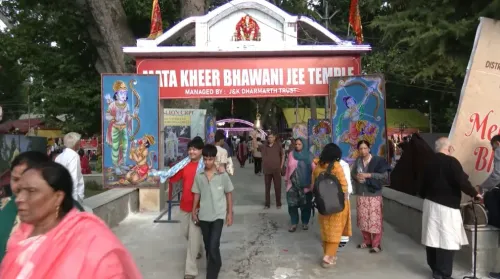
More than 9,000 pilgrims, predominantly Kashmiri Pandits, departed Jammu on Saturday, 20 June for the annual Mata Kheer Bhawani Mela in Ganderbal district of the Kashmir Valley, with authorities deploying elaborate security arrangements for the journey. The pilgrimage, one of the most sacred events in the Kashmiri Pandit calendar, saw notably higher participation this year compared to previous editions.
How the Pilgrimage Was Flagged Off
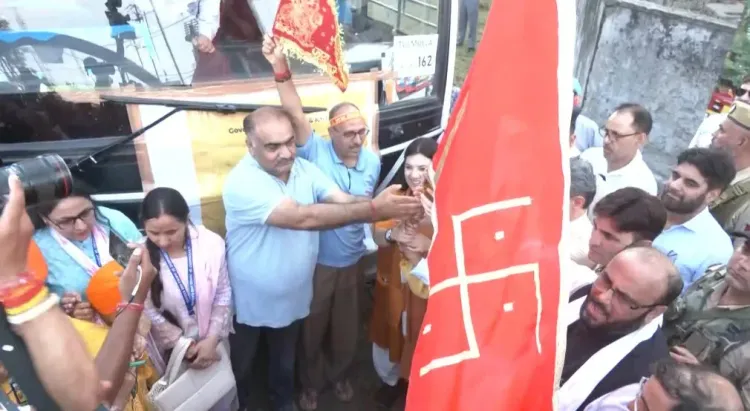
MLA Devyani Rana, DIG Shridhar Patil, and other senior officials formally flagged off the convoy from Jammu city. The pilgrims are being transported to the Valley in approximately 200 Jammu and Kashmir Road Transport Corporation (JKRTC) buses under tight security cover, officials confirmed.
About the Mata Kheer Bhawani Mela
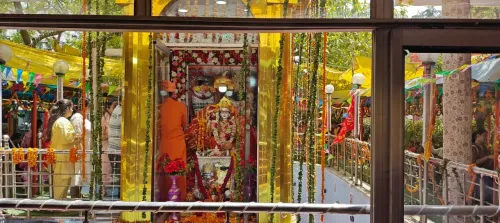
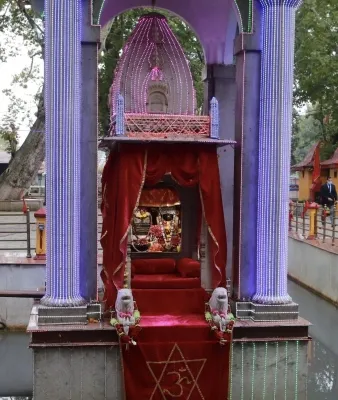
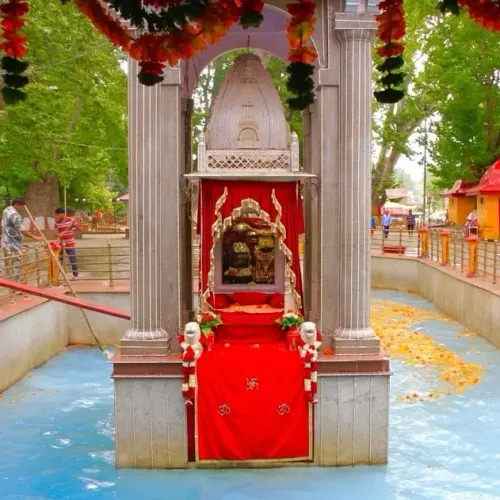
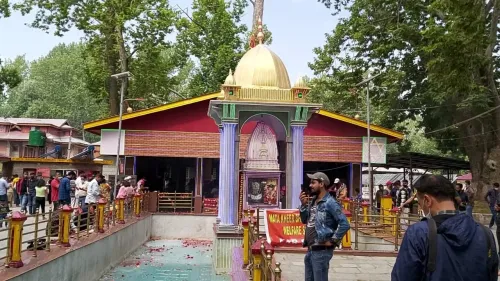
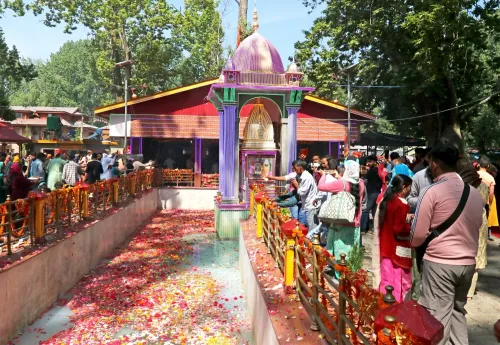
The festival is held annually on Jyeshtha Ashtami — the eighth day of the Shukla Paksha in the Hindu month of Jyeshtha — at the Mata Ragnya Devi Temple in Tulmul village, Ganderbal. The shrine, set amid a sacred spring, is considered one of the holiest places of worship for Kashmiri Pandits. Devotees offer kheer (rice pudding) and milk to the deity, celebrating the occasion as the goddess's birthday. A widely held belief holds that the waters of the sacred spring change colour, signalling the goddess's blessings or displeasure.
A Symbol of Communal Harmony
The mela is widely regarded as a living symbol of Hindu-Muslim brotherhood and communal harmony in the Valley. Local Kashmiri Muslims traditionally welcome the visiting devotees and assist in arranging milk, flowers, and other ritual materials — a tradition that has persisted through decades of political turbulence. This dimension of the festival draws particular attention given the region's complex history.
Senior Officials Review Arrangements
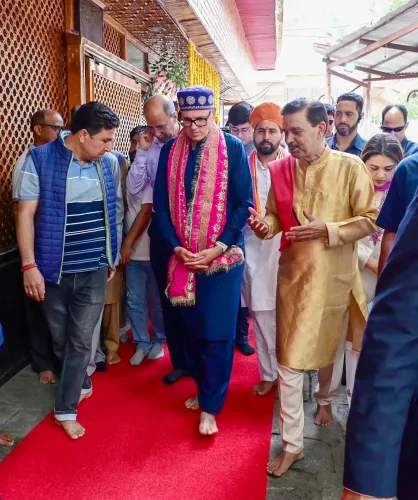
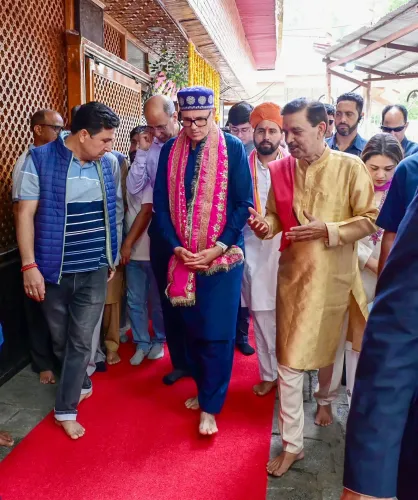
Jammu and Kashmir Lieutenant Governor Manoj Sinha and Chief Minister Omar Abdullah had already visited the Tulmul shrine ahead of the mela to review facilities and ensure adequate arrangements for pilgrims. Authorities are anticipating one of the largest turnouts in recent years given this year's surge in registrations.
What the Mela Means for Kashmiri Pandits
For the Kashmiri Pandit community, the annual pilgrimage carries significance far beyond religious observance. It represents a rare opportunity to reconnect with their ancestral homeland, culture, and roots in Kashmir — from where a large number of the community were displaced during the militancy-driven exodus of the early 1990s. For many, the journey back to Tulmul is as much an act of cultural reclamation as it is of faith. The growing participation in recent years is seen by community leaders as a sign of cautious confidence in the Valley's improving security environment.
Point of View
And a single mela, however large, should not be read as a proxy for rehabilitation. The involvement of both the LG and the CM in personally reviewing arrangements signals political intent, but intent and outcome have diverged before in Kashmir. The real measure will be whether the goodwill generated around events like Kheer Bhawani translates into durable policy on resettlement and security for those who wish to return year-round.
NationPress
19 Sept 2026
Frequently Asked Questions
What is the Mata Kheer Bhawani Mela?
The Mata Kheer Bhawani Mela is an annual Hindu pilgrimage festival held at the Mata Ragnya Devi Temple in Tulmul village, Ganderbal district, Kashmir. It falls on Jyeshtha Ashtami and is one of the most sacred religious events for the Kashmiri Pandit community, during which devotees offer kheer and milk to the deity.
How many pilgrims attended the Kheer Bhawani Mela in 2025?
More than 9,000 pilgrims, predominantly Kashmiri Pandits, departed Jammu for the mela on 20 June 2025. Authorities noted that participation this year is significantly higher than in recent editions.
What security arrangements were made for the pilgrimage?
The pilgrims are being transported in approximately 200 JKRTC buses under tight security cover. MLA Devyani Rana and DIG Shridhar Patil flagged off the convoy, and both LG Manoj Sinha and CM Omar Abdullah had previously visited the shrine to review on-ground arrangements.
Why is the Kheer Bhawani Mela significant for Kashmiri Pandits?
Beyond its religious importance, the mela is a rare occasion for Kashmiri Pandits to reconnect with their ancestral homeland and cultural roots. Many members of the community were displaced during the militancy-driven exodus of the early 1990s, making the annual pilgrimage an act of both faith and cultural reclamation.
How does the festival reflect communal harmony in Kashmir?
The Kheer Bhawani Mela is widely regarded as a symbol of Hindu-Muslim brotherhood. Local Kashmiri Muslims traditionally welcome the pilgrims and help arrange milk, flowers, and other items needed for rituals — a practice that has continued for generations despite periods of regional conflict.