Mata Kheer Bhawani Mela 2025: Hundreds of Kashmiri Pandits throng Tulmul shrine on Jyeshtha Ashtami
Synopsis
Defying decades of displacement, hundreds of Kashmiri Pandits returned to the Tulmul shrine of Mata Kheer Bhawani for the annual Jyeshtha Ashtami Mela — a pilgrimage that has endured since the community's forced exodus in the 1990s. With the LG posting on X and the CM invoking communal harmony, the festival has become as much a political statement about J&K's pluralistic identity as it is a deeply personal act of faith.
Key Takeaways
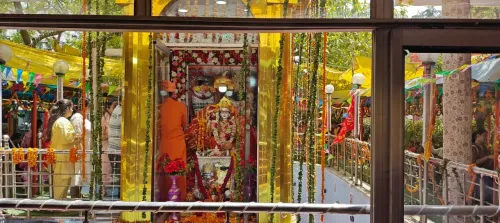
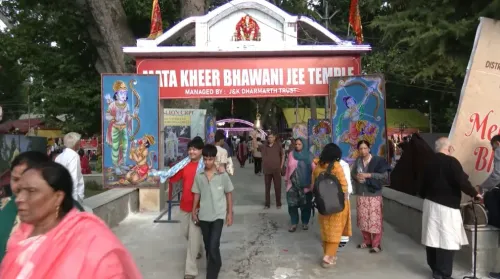
Hundreds of Kashmiri Pandit devotees gathered at the Mata Kheer Bhawani shrine in Tulmul, Ganderbal on 22 June 2025 for the annual Jyeshtha Ashtami Mela .
Lieutenant Governor Manoj Sinha posted greetings on X , invoking blessings of 'peace, happiness, good health and prosperity.' Chief Minister Omar Abdullah called the festival a symbol of 'faith, devotion, harmony and coexistence' rooted in J&K's composite culture.
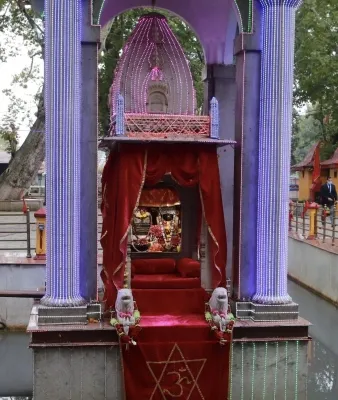
The shrine at Tulmul is the holiest for Kashmiri Pandits, dedicated to goddess Mata Ragnya and built over a sacred spring.
Devotees believe the spring's colour — pink for good fortune, black for calamity — foretells Kashmir's future; elders say it turned black during the 1947 tribal invasion.
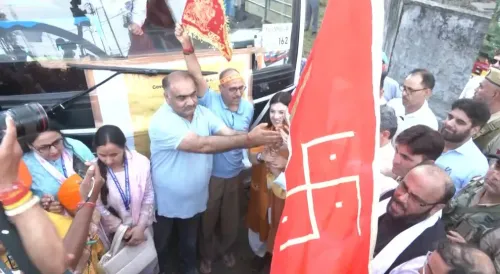
The Omar Abdullah administration deployed security forces along the entire Srinagar–Tulmul route and arranged healthcare, sanitation, and accommodation for pilgrims.
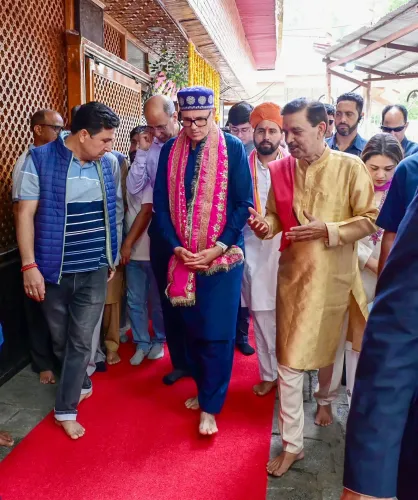
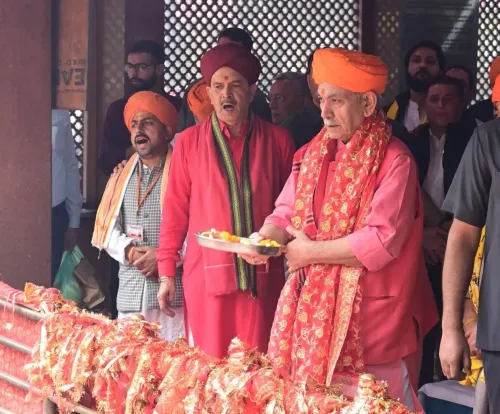
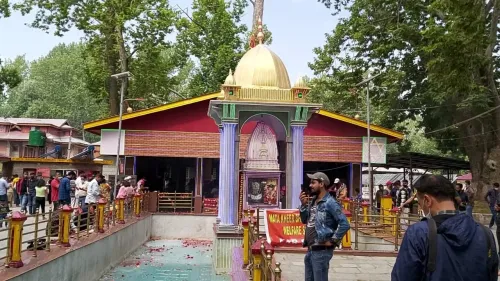
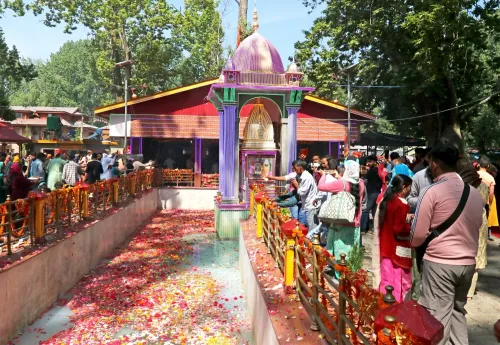
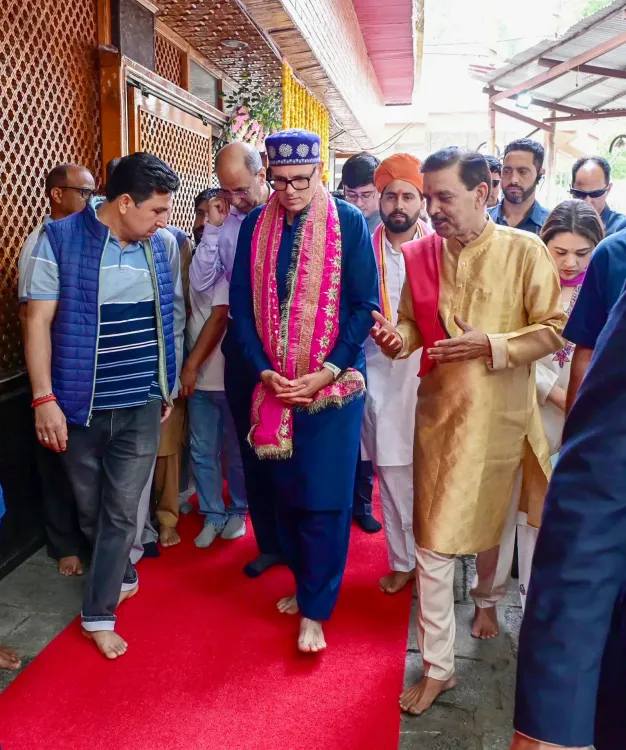
Hundreds of Kashmiri Pandit devotees converged on the Tulmul temple shrine of Mata Kheer Bhawani in Jammu and Kashmir on Monday, 22 June, marking the deity's annual Jyeshtha Ashtami Mela. Chief Minister Omar Abdullah and Lieutenant Governor Manoj Sinha both extended greetings to the community on the sacred occasion.
Devotees Pour In from Across the Country
Pilgrims travelling by all modes of transport began arriving at the shrine from Sunday itself, with scores of vehicles carrying devotees from different parts of India reaching Tulmul by Monday morning. Those who spent the night at the shrine engaged in nightlong prayers, with men, women, and children of the Kashmiri Pandit community honouring a centuries-old tradition — one they have maintained despite their forced migration from the Kashmir Valley in the 1990s amid separatist violence.
Greetings from LG Sinha and CM Abdullah
Lieutenant Governor Manoj Sinha posted his greetings on X on Monday, writing: 'Heartiest greetings to all, especially our Kashmiri Pandit brothers and sisters, on the sacred occasion of Jyeshtha Ashtami. May Mata Kheer Bhawani continue to guide us on the path of righteousness and bless everyone with peace, happiness, good health and prosperity.'
Chief Minister Omar Abdullah conveyed warm wishes to pilgrims, calling the festival 'an occasion of immense spiritual significance' that 'reflects the rich cultural and civilisational heritage of Jammu and Kashmir.' He expressed hope that the sacred occasion would 'further strengthen the bonds of communal harmony, brotherhood and mutual respect among all sections of society,' adding that 'J&K's pluralistic ethos has always drawn strength from its shared traditions and cultural diversity.'
Significance of the Mata Kheer Bhawani Shrine
The Mata Kheer Bhawani temple at Tulmul in Ganderbal district is considered the holiest shrine of the Kashmiri Pandit community. The temple is dedicated to the Hindu goddess Mata Ragnya — also known as Rajna, Devi, Bhagavati, or Mata — and is constructed over a sacred spring. The term 'Kheer' refers to a milk-and-rice pudding traditionally offered to the goddess; the name is sometimes translated as 'Milk Goddess.'
The worship of Kheer Bhawani is near-universal among Kashmiri Pandits, most of whom revere her as their Kuldevi — the protective patron deity of the clan. Devotees hold that the colour of the spring beneath the shrine foretells Kashmir's future: pink is considered auspicious, while black is believed to signal calamity. Elders in Tulmul village recount that the spring reportedly turned black when tribal raiders invaded Kashmir in 1947.
Security and Arrangements
The Omar Abdullah administration made elaborate arrangements for the pilgrimage, covering security, healthcare, sanitation, and accommodation. The entire route from Srinagar city to Tulmul in Ganderbal district was flanked by security forces deployed to protect the devotees. The annual Mela continues to serve as a powerful symbol of the community's enduring bond with their homeland — and of the administration's effort to facilitate that connection.
Point of View
And how far it still has to go, in reclaiming its pluralistic identity. That hundreds of Kashmiri Pandits travel from across India to a shrine in a valley from which they were driven out three decades ago is remarkable; that their safety requires a security corridor along the entire Srinagar–Tulmul route is a reminder of how fragile that reclamation remains. The political messaging from both the LG and the CM — invoking harmony and coexistence — is calibrated, but the community's presence at Tulmul speaks louder than any official statement. The real measure of J&K's composite culture will be when the security cordon is no longer necessary.
NationPress
20 Sept 2026
Frequently Asked Questions
What is the Mata Kheer Bhawani Mela?
The Mata Kheer Bhawani Mela is an annual pilgrimage held at the Tulmul shrine in Ganderbal district of Jammu and Kashmir on the occasion of Jyeshtha Ashtami. The shrine is dedicated to goddess Mata Ragnya and is considered the holiest place of worship for the Kashmiri Pandit community, who revere her as their Kuldevi or protective patron deity.
Where is the Mata Kheer Bhawani temple located?
The temple is located in Tulmul town in Ganderbal district of Jammu and Kashmir. It is built over a sacred spring and is the most revered shrine of the Kashmiri Pandit community.
Why do Kashmiri Pandits travel to Tulmul for this festival despite having migrated?
Kashmiri Pandits were forced to migrate from the Kashmir Valley in the 1990s due to separatist violence, but the Kheer Bhawani pilgrimage represents their centuries-old spiritual and cultural bond with their homeland. Most Kashmiri Pandits worship Mata Kheer Bhawani as their Kuldevi, making the annual Mela a deeply personal act of faith and identity.
What is the significance of the colour of the spring at Kheer Bhawani?
Devotees believe the colour of the sacred spring beneath the shrine foretells Kashmir's future. A pink hue is considered auspicious, while a black colour is believed to signal calamity. Elders in Tulmul say the spring reportedly turned black when tribal raiders invaded Kashmir in 1947.
What arrangements were made for pilgrims at the 2025 Mela?
The Omar Abdullah administration made elaborate arrangements covering security, healthcare, sanitation, and accommodation. Security forces were deployed along the entire route from Srinagar city to Tulmul to ensure the safety of devotees travelling for the Jyeshtha Ashtami Mela.