How Refugee Expulsions Unite Afghans and Foil Pakistan's Plans for Regime Change
Synopsis
The breakdown of the ceasefire between Taliban and Pakistan has led to unexpected unity among Afghans, complicating Islamabad's ambitions for regime change. This development raises questions about regional stability and the potential consequences of Pakistan's actions.
Key Takeaways
Ceasefire Breakdown: The ceasefire between Taliban and Pakistan has ended due to escalating conflict.
Refugee Expulsions: Pakistan's expulsion of Afghan refugees has backfired, leading to increased Taliban support.
Regional Stability: India's interest in regional stability complicates the evolving tensions.
Durand Line Stance: The Taliban remains firm in its rejection of the Durand Line as a border.
Challenges for Pakistan: Plans for regime change in Afghanistan face significant obstacles.
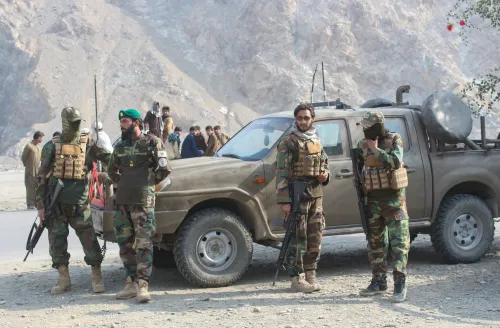
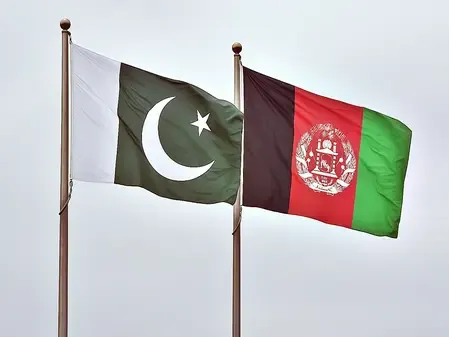
New Delhi, March 2 (NationPress) The tenuous ceasefire between the Afghan Taliban and Pakistan disintegrated when Pakistan initiated a formal conflict with Kabul. The initial airstrikes favored Pakistan, lifting the spirits of its military.
Although Pakistan holds an advantage in aerial capabilities, the Taliban remains a formidable ground force, having previously battled both Soviet and allied troops.
Within military circles, there is an increasing call for changes in Afghanistan's leadership. Pakistan has accused Afghanistan, without evidence, of supporting the Tehreek-e-Taliban Pakistan (TTP). Rising tensions have characterized the relationship between the two nations, especially after the Taliban's recent overtures toward India, which further irritated Pakistan.
Sources indicate there is considerable discussion within the Pakistani government regarding regime change. An official noted that India is vigilantly observing the developments, hoping for regional stability.
Under the current circumstances, any attempt at regime change in Afghanistan could spell disaster for Pakistan, officials cautioned.
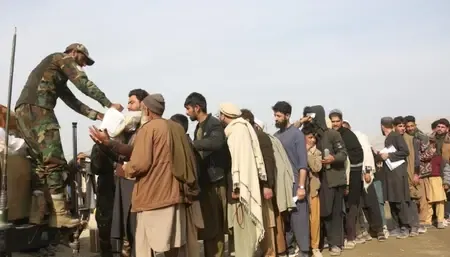
One significant error made by Pakistan in its confrontation with the Taliban was the decision to expel Afghan refugees, including many who had resided in Pakistan for decades. This action has generated substantial animosity towards Islamabad among the Afghan populace.
Many Afghans who previously distanced themselves from the Taliban are now rallying behind the regime. This wave of support, fueled by Pakistan's miscalculation, has strengthened the Taliban's position, as the local population aligns with them, according to officials.
With growing public support for the Taliban, Pakistan's original strategy of infiltrating Afghanistan has become exceedingly difficult. Pakistan had intended to leverage individuals in Afghanistan opposed to the Taliban to gain an advantage, which now seems unattainable.
An Intelligence Bureau official mentioned that executing this plan has become daunting, as the Afghan populace largely perceives Pakistan as their primary adversary. This sentiment extends beyond the Taliban to the broader population.
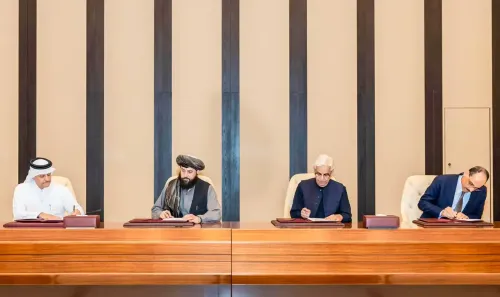
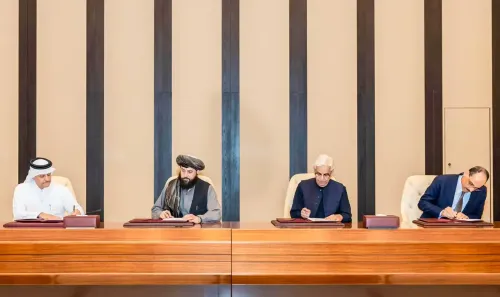
Before hostilities escalated into war, Pakistan and Taliban representatives had met in Turkey and Qatar to discuss issues including the TTP and the Durand Line.
While the Taliban expressed willingness to negotiate regarding the Durand Line, they firmly stated that they do not permit the TTP to operate from Afghan territory. However, the Taliban representatives were dissatisfied with the demeanor of the Pakistani officials, who seemed to impose terms rather than engage as equals, which did not foster a productive dialogue.
Despite Pakistan's claims of having fruitful discussions, the Taliban's discontent regarding both the conditions and the manner of discourse was evident, contributing to the enduring fragility of the ceasefire, officials noted.
Analysts observing Afghanistan assert that the Taliban remains steadfast in its position concerning the Durand Line, with no intention of altering its stance. Historically, even under Mullah Omar’s leadership, the Durand Line was not recognized as the legitimate international border.
Experts assert that the regime led by Mullah Omar relied more heavily on Pakistan than the current Taliban does.
Officials conclude that Pakistan's ambitions of instigating regime change in Afghanistan are unattainable, particularly now that the local populace and the Taliban have united in the wake of Pakistan's misguided expulsion of refugees, which complicates Islamabad's prospects in Afghanistan.
Point of View
The situation reflects a complex interplay of regional politics. With both the Taliban and Afghan populace rallying against Pakistan, the prospects for stability in Afghanistan seem increasingly bleak. A nation-first approach requires understanding these dynamics to navigate the challenges ahead.
NationPress
27 Sept 2026
Frequently Asked Questions
What caused the ceasefire between the Taliban and Pakistan to collapse?
The ceasefire collapsed when Pakistan declared an open war with Kabul, leading to initial airstrikes that favored Pakistan.
How have Afghan refugees influenced the current situation?
The expulsion of Afghan refugees by Pakistan has generated resentment among Afghans, resulting in increased support for the Taliban among those who previously distanced themselves from the group.
What are Pakistan's ambitions regarding regime change in Afghanistan?
Pakistan has expressed intentions to effect regime change in Afghanistan, but complications arise as local support for the Taliban has strengthened.
How does India's position affect the situation between Afghanistan and Pakistan?
India is closely monitoring the evolving situation, as it seeks stability in the region amid rising tensions between Afghanistan and Pakistan.
What historical stance has the Taliban taken on the Durand Line?
The Taliban has consistently refused to recognize the Durand Line as the official international border, a position that remains unchanged even today.