Will Afghanistan Take Strong Measures After Istanbul Talks with Pakistan Fail?
Synopsis
In a dramatic turn of events, Afghanistan has issued a strong warning to Pakistan after failed talks in Turkey. With tensions escalating, can peace be restored or are military confrontations looming on the horizon?
Key Takeaways
Afghanistan issues strong warning against potential military strikes from Pakistan.
Talks in Turkey collapsed due to unreasonable demands from Islamabad.
Afghan forces are prepared to retaliate against any airstrikes.
International calls for restraint are growing as tensions escalate.
Differences in negotiations highlight the complexity of the situation.
Kabul, Oct 28 (NationPress) Afghanistan has issued a strong warning to Pakistan, pledging a robust response to any potential military actions following the breakdown of talks in Turkey due to Islamabad's exit.
According to sources, Afghan media outlet Ariana News reported that Pakistan pulled out of negotiations after putting forth demands that the Afghan delegation termed “unreasonable and unacceptable.” These demands included a request for Kabul to recall and manage armed individuals allegedly acting against Pakistan — a demand rejected by the Afghan side. It further stated that if Pakistan conducts airstrikes on Afghan territory, Afghan forces are prepared to retaliate against Islamabad.
While reaffirming its dedication to dialogue, Kabul warned that it would not tolerate any further cross-border assaults.
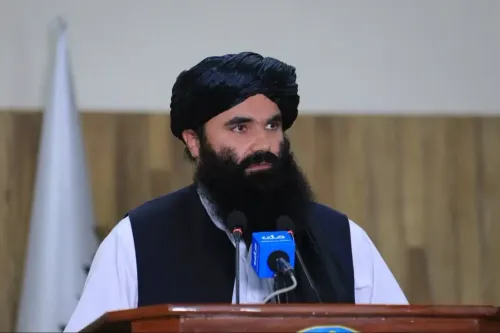
In an interview with Ariana News, Abdul Mateen Qani, spokesperson for the Afghan Ministry of Interior, stated that any aggression would elicit a decisive response “that will serve as a lesson for Pakistan and a message for others.”
“It’s accurate that we do not have nuclear weapons, but neither did NATO nor the United States manage to conquer Afghanistan despite two decades of conflict. The Afghan nation has never yielded to anyone,” he added.
This situation arises amidst a recent surge in tensions following cross-border operations by Pakistani forces within Afghanistan.
Reports indicate that diplomatic efforts and regional mediators in Turkey aimed at calming the situation have faltered, heightening fears of renewed military clashes along the Durand Line.
Analysts have cautioned that any retaliatory moves could further destabilize an already fragile region, prompting international calls for restraint and renewed diplomacy to prevent further escalation.
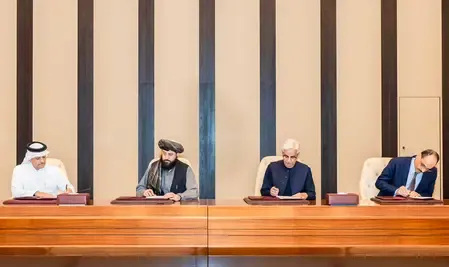
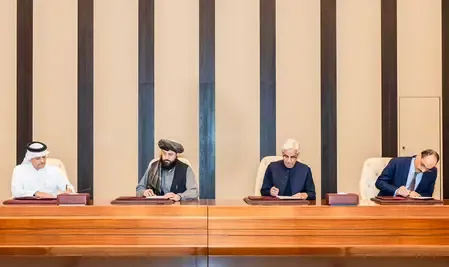
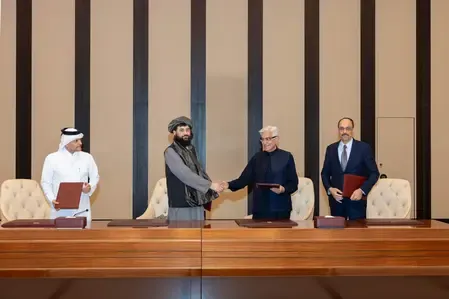
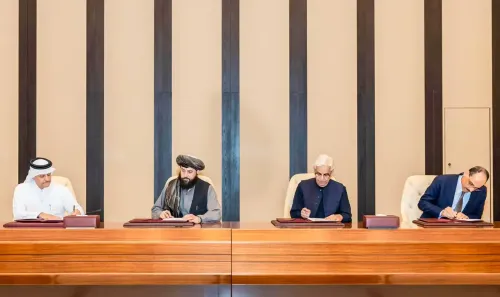
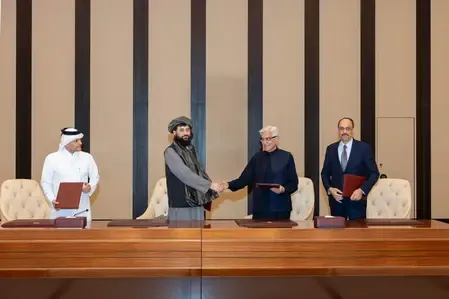
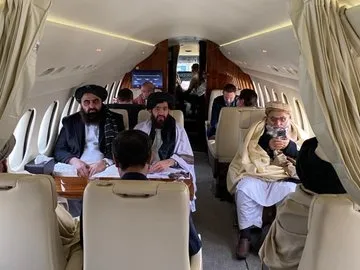
The discussions between Pakistan and Afghanistan, which spanned three consecutive days in Istanbul, failed to achieve any breakthroughs despite attempts at mediation from regional actors. Mediators acknowledged that the stances of both nations were significantly divergent, with differing expectations and priorities.
These discrepancies hindered officials from making any progress during the negotiations, as reported by Afghanistan's leading news agency, Khaama Press, citing Geo News. The lack of cooperation between the two nations has raised concerns about escalating tensions.
Pakistan has asserted that taking action against Tehreek-e-Taliban (TTP) and preventing the fighters from finding refuge in Afghanistan are crucial conditions for any agreement, viewing the TTP insurgency as a direct threat to its national security.
Point of View
I believe that while the rhetoric is alarming, it is essential to seek a peaceful resolution and prioritize dialogue over military confrontation. Both nations must engage in constructive discussions to de-escalate tensions and ensure regional stability.
NationPress
2 Oct 2026
Frequently Asked Questions
What triggered the collapse of talks between Afghanistan and Pakistan?
The collapse was triggered by Pakistan's withdrawal from negotiations after presenting demands that Afghanistan deemed unreasonable.
What is Afghanistan's stance on military strikes from Pakistan?
Afghanistan has vowed to respond strongly to any military strikes by Pakistan, indicating readiness for retaliation.
How have recent tensions affected regional stability?
The escalating tensions have raised fears of renewed military confrontation and have drawn international calls for restraint and diplomacy.
What has Pakistan demanded for peace talks to continue?
Pakistan has insisted on actions against the Tehreek-e-Taliban (TTP) as a condition for any agreement.
What implications do these tensions have for Afghanistan's future?
The tensions could lead to instability and further conflict, impacting Afghanistan's security and diplomatic relationships.