Ahmedabad floods: 163 mm rain in a day, 50+ rescued across city
Synopsis
Ahmedabad's single-day rainfall of 163 mm on 23 July — with Bakrol recording over 315 mm in 11 hours — overwhelmed 82 of the city's 148 known flood-prone spots and triggered eight Fire Department rescues. With no fatalities reported and forecasts pointing to more rain, the AMC's response is under scrutiny as 43 housing societies remained waterlogged by evening.
Key Takeaways
Ahmedabad recorded an average of 163.24 mm (6.43 inches) of rainfall on 23 July , with Bakrol topping at 315.50 mm (12.42 inches) .
The Fire Department conducted 8 rescue operations , evacuating more than 50 people from flooded locations.
Waterlogging affected 43 housing societies and 82 of the city's 148 known flood-prone spots.
The AMC received 102 waterlogging complaints and 41 fallen-tree reports ; no casualties were recorded.
All 20 gates of the Vasna Barrage were opened; Akhbarnagar and Makarba underpasses remained closed as of the latest update.
Health teams will begin post-flood sanitation once water recedes; residents advised to boil drinking water and avoid waterlogged zones.
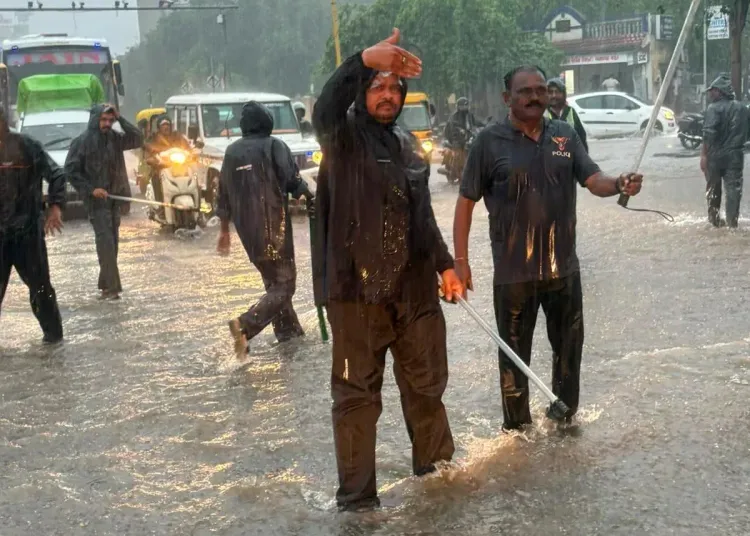
Ahmedabad recorded an average rainfall of 163.24 mm (6.43 inches) on Wednesday, 23 July, with several localities receiving over 12 inches within hours, triggering at least eight rescue operations and widespread civic mobilisation to tackle waterlogging across the city. Authorities confirmed no casualties.
Where It Rained Hardest
According to the Ahmedabad Municipal Corporation (AMC), the heaviest rainfall between 8 am and 7 pm was recorded at Bakrol, which received 315.50 mm (12.42 inches), followed by Sarkhej at 306 mm (12.05 inches) and Bopal at 259 mm (10.20 inches). Other severely affected localities included Sarkhej UHC (258 mm), Jodhpur (253.50 mm), Bodakdev (227.50 mm), Vasna (219 mm), Thaltej (214.50 mm), Memnagar (211 mm), and Science City (208 mm). The intense downpour was concentrated mainly in the North West and South West zones along the SG Highway corridor.
Rescue Operations and Civic Response
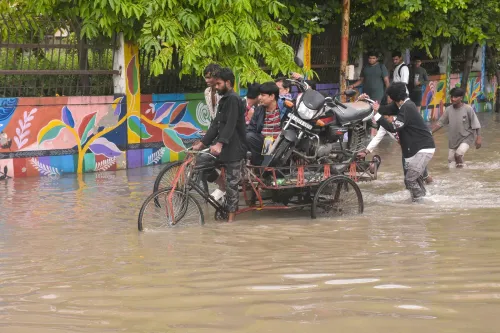
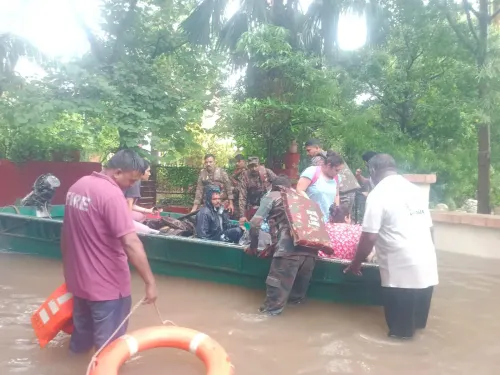
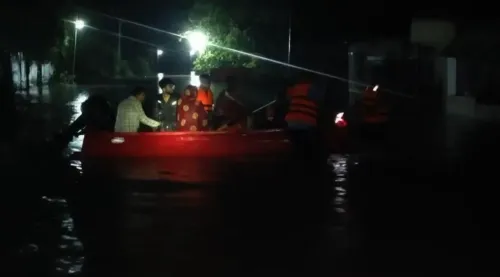
The Fire Department carried out eight rescue operations, evacuating more than 50 people from flooded locations. Those rescued included residents stranded in Thaltej, occupants of a car near the Gota crematorium, people trapped in a lift at Suncity, schoolchildren stuck inside a school bus in the Makarba-Bakery City area, and residents stranded in houses in the Bopal-Amli area. In a separate incident in Vejalpur, students trapped in a school bus surrounded by floodwater were safely evacuated after emergency teams responded immediately.
The Fire Department also responded to 11 emergency calls during the day. Five complaints of house, wall, or roof collapses were received — no fatalities were reported in any of these cases.
Scale of Waterlogging
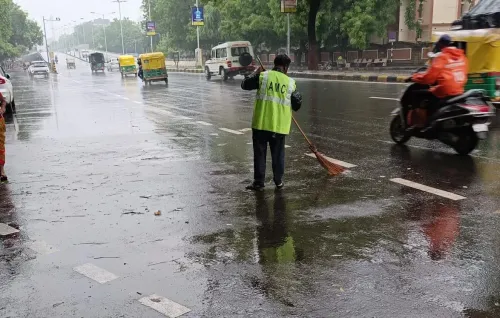
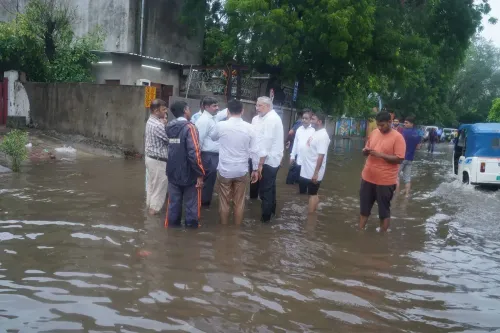
Waterlogging was reported in 43 housing societies — 18 in the South West Zone, 10 in the North West Zone, 8 in the North Zone, 6 in the Central Zone, and 1 in the West Zone. Of the city's 148 previously identified waterlogging-prone spots, 82 experienced flooding while 66 remained unaffected. The AMC Total Control Room received 102 waterlogging complaints and 41 reports of fallen trees, of which 35 had been cleared by evening.
Traffic was disrupted at several underpasses. Of the eight underpasses closed during the day, six were later reopened. Akhbarnagar and Makarba underpasses remained shut, and citizens were advised to avoid them.
What the Administration Said
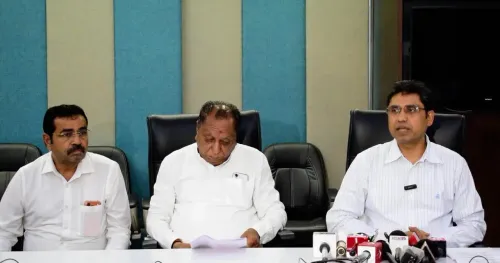
Municipal Commissioner Banchhanidhi Pani said the unprecedented intensity of rainfall over a short duration was the primary cause of waterlogging, particularly in the North West and South West zones. 'Due to the intensity of heavy rainfall and the large volume of rain received within a short period, waterlogging has occurred in some areas. However, the entire AMC machinery is working round the clock. Control rooms across all zones are active, field teams are continuously deployed, and all necessary resources have been mobilised to ensure public safety and the speedy drainage of water. The situation is under constant monitoring,' he said.
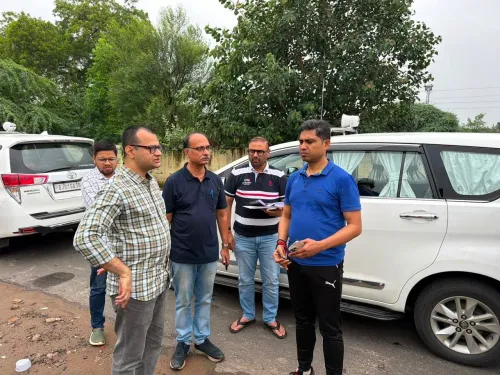
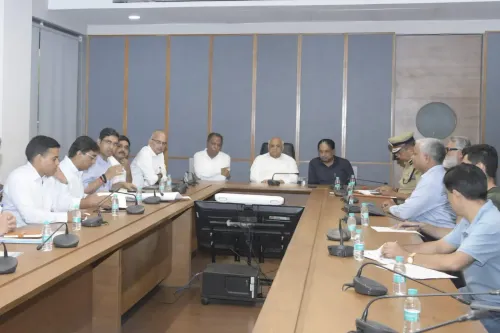
The Mayor, Standing Committee Chairman, the Municipal Commissioner, and senior officials monitored the situation continuously from the control room and in the field. Additional pumping equipment — including barrel pumps — was deployed in the worst-affected zones. The water level at the Vasna Barrage was maintained at 124.5 feet and all 20 gates were opened to discharge stormwater. The Western Trunk Line's available capacity was also utilised to accelerate drainage.
Health Advisory and What Comes Next
Health teams are set to begin post-flood sanitation measures once water levels recede. Officials advised residents to boil drinking water, use chlorine tablets as recommended by the Health Department, avoid unnecessary travel during heavy rain, and stay away from waterlogged areas and electrical installations. Schools, colleges, and other institutions were also advised to take precautions given forecasts of continued heavy rainfall in the coming days.
Point of View
But the scale of disruption in established residential zones like Bopal and Thaltej raises questions about whether the city's stormwater network has kept pace with rapid urbanisation along the SG Highway corridor. The AMC's real-time control-room response was visible; the harder accountability question is whether the 66 spots that stayed dry did so by design or by chance.
NationPress
22 Oct 2026
Frequently Asked Questions
How much rainfall did Ahmedabad receive on 23 July?
Ahmedabad recorded an average of 163.24 mm (6.43 inches) of rainfall on 23 July, with Bakrol receiving the highest at 315.50 mm (12.42 inches) between 8 am and 7 pm. Several other localities, including Sarkhej and Bopal, also received over 10 inches.
Were there any casualties in the Ahmedabad flooding?
No casualties were reported, according to the Ahmedabad Municipal Corporation. Authorities confirmed that all rescue operations were completed safely, including evacuations from flooded housing societies, vehicles, and school buses.
How many people were rescued during the Ahmedabad floods?
The Fire Department conducted eight rescue operations and evacuated more than 50 people from flooded locations across the city. Those rescued included schoolchildren stranded in a school bus, residents trapped in a lift, and people stuck in vehicles and homes.
Which areas of Ahmedabad were worst affected by waterlogging?
The North West and South West zones along the SG Highway were worst affected. Waterlogging was reported in 43 housing societies, with 18 in the South West Zone and 10 in the North West Zone bearing the heaviest impact. Localities such as Bakrol, Sarkhej, Bopal, Thaltej, and Bodakdev saw the highest rainfall.
What precautions has the AMC advised residents to take?
The AMC has advised residents to boil drinking water, use chlorine tablets as recommended by the Health Department, avoid unnecessary travel during heavy rain, stay away from waterlogged areas and electrical installations, and not enter closed underpasses. Schools and colleges were also advised to take appropriate precautions given forecasts of continued heavy rainfall.